
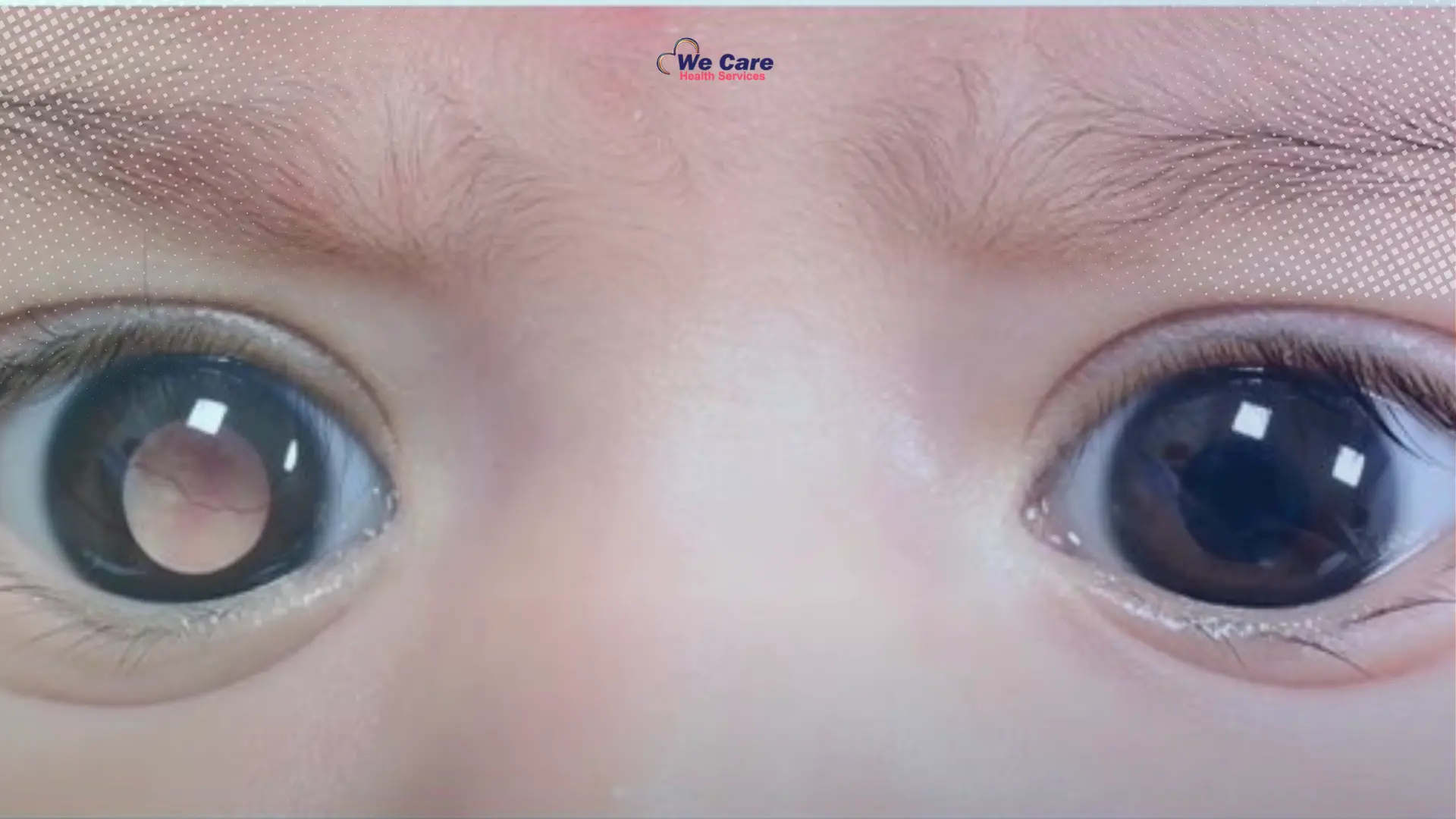
Retnoblastoma treatment in India has a high success rate because of radiation therapy and cryotherapy. Retinoblastoma is a rare type of cancer that primarily affects the eyes. In exclusive cases, it is cured only by surgery, but there are early treatment options. It is better if the diagnosis is completed in the early stage of the cancer.
Prognosis is easy in the early stage of the cancer. Various treatment options like radiation therapy, adjuvant therapy and cryotherapy have proven results in this treatment. In India treatment success rate is higher and also completed at affordable Prices.
What is Retinoblastoma?
Retinoblastoma is a rare cancer that is observed in children below the age of five. It starts from the retina in the eye, and can spread from one eye to the other eye. Sometimes eye surgery is the only option left if not diagnosed properly. In the early stage of diagnosis, there are chances of an increased survival rate.
Book Appointment
GET A FREE QUOTE
It is usually caused by mutations in the RB1 gene, which is responsible for controlling cell growth in the retina. These mutations can be inherited (hereditary retinoblastoma) or occur randomly (sporadic retinoblastoma). If detected early, retinoblastoma is highly treatable, and many children retain vision in at least one eye. Early diagnosis is crucial to prevent the spread of the cancer beyond the eye. If detected early, retinoblastoma is highly treatable, and many children retain vision in at least one eye. Early diagnosis is crucial to prevent the spread of the cancer beyond the eye.
What are the Retinoblastoma Treatment Options in India?
Retinoblastoma treatment in India is advanced, affordable, and widely accessible through specialised cancer hospitals and eye institutes. Depending on the stage and severity of the tumour, multiple treatment methods are used to save both vision and life. Below are the key options available:
Chemotherapy
Chemotherapy
Chemotherapy is often the first line of retinoblastoma treatment in India. It helps shrink the tumour so that it can be treated further with laser therapy, cryotherapy, or surgery. Indian hospitals use both systemic and intra-arterial chemotherapy to minimise side effects and improve effectiveness. Pediatric oncologists monitor patients closely for response and toxicity, making the treatment safer and more targeted for children.
Laser Therapy (Laser Photocoagulation)
Laser Therapy (Laser Photocoagulation)
Laser therapy is commonly used in India for small, localised retinoblastoma tumours. It works by using heat to destroy the blood vessels feeding the tumour. This form of retinoblastoma treatment in India is minimally invasive and preserves more of the eye’s function. It is often combined with chemotherapy for the best results and is available in the top Indian eye cancer centres.
Cryotherapy
Cryotherapy
Cryotherapy freezes and destroys cancerous cells in the retina. It is suitable for small tumours and is a cost-effective retinoblastoma treatment in India. The procedure is painless and performed under anaesthesia. Many leading hospitals in India use this method in early-stage cases, especially when vision can still be preserved. It may be repeated across sessions based on tumour response.
Radiation Therapy
Radiation Therapy
When tumours are resistant to chemotherapy or laser, radiation therapy is considered. India offers advanced radiation options like plaque brachytherapy and external beam radiation. These techniques precisely target tumours, reducing damage to healthy tissues. As part of retinoblastoma treatment in India, radiation is used cautiously to minimise long-term side effects, especially in very young children.
Book Appointment
GET A FREE QUOTE
Surgery (Enucleation)
Surgery (Enucleation)
In severe cases where the eye cannot be saved, enucleation (removal of the eye) is necessary to prevent cancer spread. This is a last-resort but life-saving procedure in retinoblastoma treatment in India. Surgeons at reputed cancer centres ensure safe removal and later offer cosmetic rehabilitation through prosthetic eyes to help maintain appearance and emotional well-being.
What is the success rate of retinoblastoma treatment?
The success rate of retinoblastoma treatment is very high, especially when diagnosed early. Globally, the survival rate exceeds 95% in high-income countries, including India, where advanced treatment facilities are available. Early-stage retinoblastoma has excellent outcomes, with many children retaining their vision and avoiding eye removal.
In cases where the disease is detected late or has spread outside the eye, the success rate drops, and more aggressive treatment is needed. For hereditary retinoblastoma, long-term monitoring is essential due to the risk of secondary cancers. Overall, with timely diagnosis and modern treatment, most children with retinoblastoma can be successfully cured.
Causes of Retinoblastoma
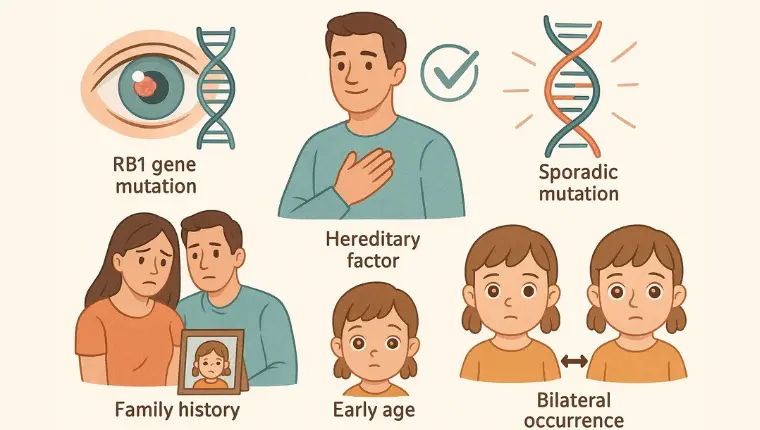
Retinoblastoma is primarily caused by mutations in the RB1 gene, which controls cell growth in the retina. This mutation can be inherited (hereditary retinoblastoma) or occur spontaneously in early childhood. When the gene is defective, retinal cells grow uncontrollably and form tumors. The most common cases are seen in children under five. Early genetic mutations or family history significantly increase the risk of developing retinoblastoma. Prompt genetic screening helps in early diagnosis and effective retinoblastoma treatment in India.
Causes of Retinoblastoma
- RB1 Gene Mutation: The primary cause of retinoblastoma is a mutation in the RB1 tumour-suppressor gene.
- Hereditary Factor: In about 40% of cases, children inherit a faulty gene from one parent.
- Sporadic Mutation: Non-hereditary cases occur due to spontaneous genetic changes during fetal development.
- Family History: Children with a family history of eye cancer are at higher risk.
- Early Age: The cancer commonly develops in infants and toddlers.
- Bilateral Occurrence: Genetic retinoblastoma often affects both eyes. Early detection and advanced retinoblastoma treatment in India offer excellent outcomes.
Book Appointment
GET A FREE QUOTE
Symptoms of Retinoblastoma
Symptoms of retinoblastoma often appear early in children under five and are usually noticed by parents. The most common sign is a white reflection in the pupil, often seen in flash photos. Other symptoms include eye redness, vision problems, or a squint. In some cases, the affected eye may appear larger or painful. Prompt recognition of these signs is critical for early diagnosis and timely etinoblastoma treatment in India, which greatly improves the chance of saving vision and life.
- White Pupil Reflex (Leukocoria) : A white glow in the pupil, especially visible in photographs.
- Strabismus (Crossed Eyes) : Misalignment of the eyes, often mistaken for a lazy eye.
- Eye Redness or Swelling : Persistent redness not linked to infection.
- Vision Problems : Blurred or reduced vision, noticed through behavioural changes in toddlers.
- Enlarged Eye : Abnormal eye size due to tumour pressure.
- Eye Pain
: Discomfort or crying in infants when exposed to light.
Recognising these early signs helps ensure prompt retinoblastoma treatment in India, improving prognosis significantly.
Cost of Retinoblastoma Treatment in India
The cost of retinoblastoma treatment in India is relatively affordable compared to many other countries, making India a preferred destination for pediatric cancer care. The overall expense depends on the stage of the cancer, type of treatment (chemotherapy, surgery, laser therapy, etc.), and the hospital's location and facilities.
On average, treatment can range between ₹1,50,000 to ₹7,00,000 or more, including diagnostics, hospital stay, medication, and follow-up care. Government and charitable hospitals also provide cost-effective options. Early diagnosis helps reduce both complications and cost, leading to more successful treatment outcomes.
|
Treatment Type |
Estimated Cost (INR) |
|
Chemotherapy (per cycle) |
₹30,000 – ₹50,000 |
|
Laser Therapy (per session) |
₹20,000 – ₹40,000 |
|
Cryotherapy |
₹25,000 – ₹45,000 |
|
Radiation Therapy |
₹80,000 – ₹1,50,000 |
|
Enucleation Surgery |
₹70,000 – ₹1,20,000 |
|
Genetic Testing |
₹15,000 – ₹30,000 |
|
Total Package (average) |
₹1,50,000 – ₹7,00,000+ |
Hospital For Retinoblastoma Treatment in India
India is home to several world-class hospitals offering specialised retinoblastoma treatment with advanced technology and experienced pediatric oncologists and ophthalmologists. These hospitals provide comprehensive care, including chemotherapy, laser therapy, surgery, and genetic counselling.
Book Appointment
GET A FREE QUOTE
Many institutions also run charitable programs for underprivileged patients. Major metro cities like Mumbai, Delhi, Chennai, and Bengaluru have dedicated cancer centers with excellent success rates. Hospitals such as AIIMS, Tata Memorial, and Sankara Nethralaya are among the best for retinoblastoma treatment in India, offering affordable, high-quality care.
|
Hospital Name |
City |
|
Tata Memorial Hospital |
Mumbai |
|
AIIMS (All India Institute of Medical Sciences) |
New Delhi |
|
Sankara Nethralaya |
Chennai |
|
LV Prasad Eye Institute |
Hyderabad |
|
Aravind Eye Hospital |
Madurai |
|
Narayana Nethralaya |
Bengaluru |
|
Apollo Hospitals |
Chennai/Delhi |
|
Dr. Shroff’s Charity Eye Hospital |
New Delhi |
|
Centre for Sight |
Multiple Cities |
|
Max Super Speciality Hospital |
New Delhi |
|
Fortis Memorial Research Institute |
Gurugram |
|
Indraprastha Apollo Hospital |
New Delhi |
|
Rajiv Gandhi Cancer Institute |
Delhi |
|
Medanta – The Medicity |
Gurugram |
|
Aditya Jyot Eye Hospital |
Mumbai |
We Care Health Services for Retinoblastoma Treatment in India
We Care Health Services is a leading medical tourism facilitator offering end-to-end care for retinoblastoma treatment in India. They coordinate consultations with internationally experienced oncologists and ophthalmologists at JCI/ISO‑accredited hospitals across major cities — Delhi, Mumbai, Bengaluru, Chennai, and Hyderabad.
We Care manages everything: hospital selection, appointment scheduling, treatment planning, accommodation, visas, and transportation. Their services include access to advanced treatments like intra-arterial chemotherapy, focal therapies, radiation, and enucleation. With over 25 years of experience, they offer 60–85 % cost savings compared to US/UK rates and claim over 10,000 patient cases annually for cancer treatments, including retinoblastoma.
Book Appointment
GET A FREE QUOTE
- Complete Patient Support : We Care Health Services offers full coordination, including hospital appointments, doctor consultations, visa assistance, and accommodation for both patient and family.
- Top Hospital Network : They connect patients to India’s best cancer hospitals like AIIMS, Tata Memorial, and Sankara Nethralaya, ensuring access to experienced eye cancer specialists.
- Advanced Treatments : Patients are guided to the right therapies including chemotherapy, laser treatment, cryotherapy, radiation, and surgical procedures like enucleation.
- Affordable Care : The service helps patients save 60–80% compared to treatment costs in countries like the US and UK.
- International Patient Services : With multilingual staff and 24/7 support, international patients receive a smooth, stress-free treatment journey from arrival to recovery.