
Humans experience various fertility issues, affecting both males and females. Human reproduction overview in India, consider the problem, and give a solution in India. The necessary factors for IVF and surrogacy are mentioned in the article. India became a popular destination for IVF and surrogacy, which has a legal framework and support of doctors at the time of the treatment procedure.
Fertility clinics in India have the best facilities for people coming from outside countries. All the stuff about IVF and related assisted reproductive technologies is considered in the steps. Almost all kinds of IVF treatment and altruistic surrogacy are allowed in India for heterosexual married couples.
Fields of Human Reproduction
Different fields of human reproduction define the procedure of birth in the human race and consider the obstacles. Reproduction in adult age is a part of a healthy human society and acceptable to most of the social groups in different ways. Sometimes, fertility issues cause an emotional massacre in the intended couple.
Book Appointment
GET A FREE QUOTE
To solve the emotional issue accelerated by the failure of conception and to give perfect reproductive health, the government has made every effort. India was the first country to consider reproductive health as a national issue. The Infant mortality rate and maternal mortality rate of India have decreased after the considerations by the government.
The field of human reproduction is defined both by doctors’ study perspective and according to the need for treatment. Here is the simply explained version of the human reproduction field:
Reproductive Anatomy and Physiology
- Study of male and female reproductive systems, their structure, function, and development.
- Includes understanding of gametogenesis (spermatogenesis, oogenesis) and hormonal regulation.
- Providing treatment for the effective gamete production in both males and females.
Reproductive Endocrinology
- Focuses on hormones controlling reproduction, such as estrogen, progesterone, testosterone, FSH, and LH.
- Forming the connection between the hormone effects on the bodies of males and females and their reproductive abilities.
- Also involves the treatment of hormonal disorders affecting fertility and pregnancy.
Embryology
- Study of fertilization, zygote formation, embryonic and fetal development.
- Covers stages from conception to birth.
- At the time of IVF treatment, studying the healthy embryo and transferring that in the female body.
Obstetrics
- The medical field deals with pregnancy, labor, and childbirth.
- Focuses on maternal health and safe delivery.
Gynecology
- Concerned with the female reproductive system’s health, including disorders, infections, and cancers
- All treatments like IVF, surrogacy, and Assisted Reproductive Technologies are under the same field.
- Overlaps with reproductive health and fertility management.
Andrology
- The male counterpart of gynecology, focusing on male reproductive health, fertility, and sexual function.
- How does a male with less fertility have a child? Considered under the same field.
Reproductive Genetics
- Study of genetic factors influencing fertility, heredity, and congenital disorders.
- Includes preimplantation genetic testing (PGT).
Fertility and Assisted Reproductive Technology (ART)
- Encompasses IVF, ICSI, surrogacy, egg/sperm donation, and fertility preservation.
- Deals with the management of infertility issues in both males and females.
Sexual and Reproductive Health
Broader field covering safe sex practices, contraception, sexually transmitted infections (STIs), and reproductive rights. Kinds of contraceptive methods and their deals at the national level.
Maternal-Fetal Medicine
Subspecialty of obstetrics focusing on high-risk pregnancies and fetal care. After the delivery, proper child care with all considerations.
Human Reproductive System
Nature has evolved us in a way to increase the population of the species to which we belong. Biology in the Human body can be noticed to favour this appprocah. There are different timings for adolescence and becoming an adult, like the juvenile phase in the flowers. There are primary and secondary sexual organs in the bodies ofg both male and female. The primary organ helps in reproduction, and the secondary organ helps them in essential functions.
Here is the human reproduction of both male and female; you can read the mechanism to know the actual cause of obstacles in the birth. Human reproduction overview in India indicates the need for clinics and support for the reproductive methods, as infertility increases. We will try to determine the actual cause of that infertility through this section.
Female Reproductive System
The organ that is responsible for the production of the gametes is called the primary sex organ, which is the ovaries in the case of females. And organs that help in the meeting of the male and female gamete are called secondary sex organs, like: fallopian tube, vagina, uterus, cervix, and ovary.
Book Appointment
GET A FREE QUOTE
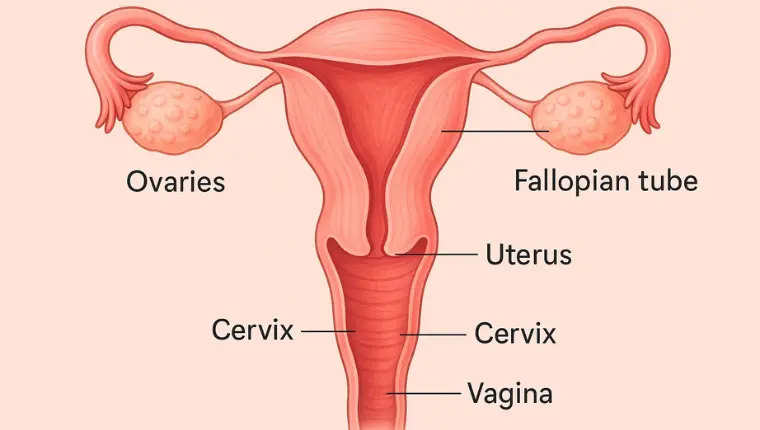
Female Reproductive System
Male Reproductive System
The male reproductive system consists of the testes as the primary sex organ. On the other hand, secondary sexual organs are the penis, vas deferens, prostate gland, and seminal vesicles. The male reproductive system is responsible for producing, storing, and delivering sperm for fertilization. It also secretes male sex hormones, primarily testosterone, which regulates secondary sexual characteristics.
Book Appointment
GET A FREE QUOTE
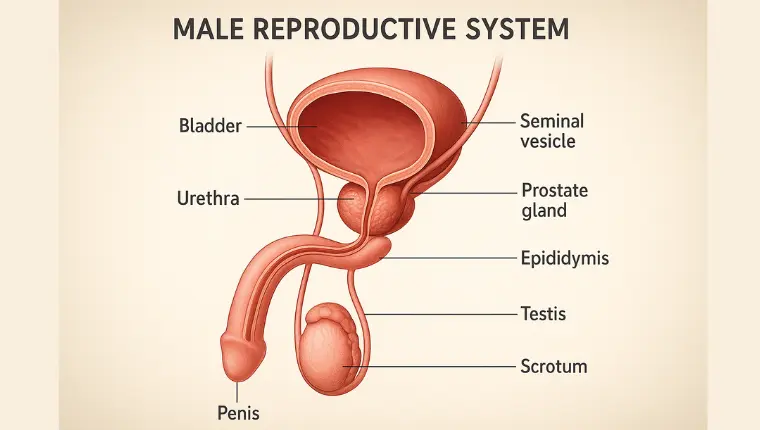
Male Reproductive System
Assisted Reproductive Technologies: ARTs in India
Assisted Reproductive Technologies are collective treatments for people looking for a baby. Whether it is about delayed pregnancy or about the ultimate infertility issues, ARTs are helping in all kinds of problems. Based on the treatment needs in the last 10 years, we are sure that infertility is increasing both in male and female intended couples.
Assisted Reproductive Technologies (ARTs) have become a pivotal aspect of reproductive healthcare in India, offering hope to countless couples facing infertility challenges. The country has witnessed a significant surge in ART procedures, with a projected market size of USD 2.5 billion by 2033, growing at an annual rate of 8.17%.
What are Assisted Reproductive Technologies (ARTs)
ART encompasses medical procedures that handle both eggs and sperm to facilitate conception. Common ART methods include:
- In Vitro Fertilization (IVF): Fertilizing an egg outside the body and implanting the embryo into the uterus.
- Intracytoplasmic Sperm Injection (ICSI): Injecting a single sperm directly into an egg.
- Gamete Donation: Utilizing donor eggs or sperm.
- Cryopreservation: Freezing eggs, sperm, or embryos for future use.
These procedures are instrumental in overcoming various infertility issues, including blocked fallopian tubes, male factor infertility, and unexplained infertility.
India boasts a robust network of ART clinics and banks, particularly concentrated in metropolitan areas. The country's diverse population and varying cultural attitudes towards infertility contribute to the widespread adoption of ART services. However, challenges persist, including the need for increased awareness, accessibility in rural regions, and addressing the stigma associated with infertility.
The ART sector in India is poised for continued growth, driven by advancements in medical technology, increasing awareness, and supportive legal frameworks. Ongoing research and development aim to improve success rates and make ART more accessible to a broader population.
Legal Framework: The ART Regulation Act, 2021
To ensure ethical practices and safeguard the rights of individuals undergoing ART, the Government of India enacted the Assisted Reproductive Technology (Regulation) Act, 2021, effective from January 25, 2022. This legislation establishes:
- National Registry: A centralized database for ART clinics and banks to ensure transparency and accountability.
- Ethical Standards: Guidelines for the ethical conduct of ART procedures, including the use of donor gametes and surrogacy arrangements.
- Eligibility Criteria: Defines the age limits for individuals seeking ART services—women between 21 and 50 years, and men between 21 and 55 years
- Informed Consent: Mandates written informed consent from all parties involved in ART procedures.
- Insurance Coverage: Requires insurance coverage for oocyte donors for a specified period.
The Act also enforces penalties for violations, including imprisonment and fines, to deter unethical practices.
Book Appointment
GET A FREE QUOTE
IVF & Surrogacy: Best Choice for Giving Birth
There are different Assisted Reproductive Technologies like ICSI, IUI, Test-tube baby, but the proven method is IVF. There is a certain step and procedure that could be separately called a different ART. IVF is also called In-Vitro Fertilization, it is a technique of external fertilization in a lab by taking gametes from both parents or from the donors.
Surrogacy is a procedure of different gestation, when a female has certain issues. In this case the embryo is transferred to the womb of a gestational mother who is different from both genetic parents. This technique is not as common as IVF.
Overall, IVF is the best choice for couples and success arte if the IVF treatment in India is also good, which makes it a reliable choice for every couple. There is also a question that who can benefit from IVF, the next section gives you the answer.
Who Can Benefit From IVF? - best IVF Centre in Kenya
As mentioned before, many infertility techniques can be treated with different treatments. For better understanding, here are some categories according to the infertility issues and the correct treatment.
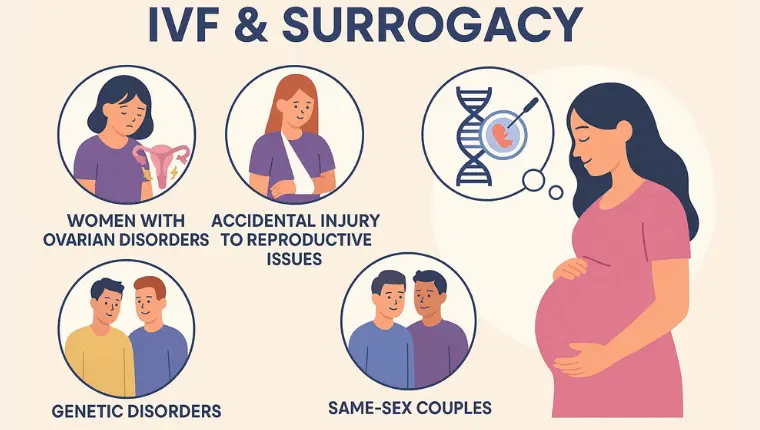
Who Can Benefit From IVF
Who is Eligible for IVF in India?
Only heterosexual married couples and single females are allowed for a procedure in IVF treatment in India. The couple has to show medical conditions that show the need for IVF treatment. Single men and LGBTQ persons are not allowed to take IVF and surrogacy treatment from Indian clinics. Many infertility conditions, such as blocked tubes and genetic disorders, are the prominent conditions for which a person is eligible. Here are the different conditions for IVF:
- Severe Infertility Issues- Infertility conditions such as endometriosis, uterine fibroids, and ovulation disorders are severe, and there is no solution other than IVF. It is better if a condition is detected in the early stages; otherwise, intended couples have to take the help of surrogacy.
- Genetic Disorder- There are conditions, such as cystic fibrosis and male factor infertility in which there are no other options. A patient can’t conceive naturally with such genetic disorders.
- Autoimmune Diseases- In such conditions, the defensive system of the body or the auto-immune response attacks the self-reproductive system. In these conditions, gamete synthesis gets complicated. Donors may also be required for a better success rate.
- Age-Related Gamete Synthesis Decline- In some cases, a female gets married at an advanced age and faces issues in conceiving. There are gametes with defective genetic material and repeated abortions because of the weak health of the uterus.
- Single Parenthood- Same-sex couples and transgender individuals are not allowed to have a child through IVF, but a single female, in case of divorce or widowhood, can undergo IVF for impregnation.
Best Fertility Clinic in India: We Care Health Services
We, Care Health Services, are one of the best hospital associations helping many foreign couples and Indian couples. If any of you are looking for such services, then welcome to the best Indian facilities. The best services of Indian clinics are IVF and altruistic surrogacy, both are allowed in India. Other than fertility services, there are cardiac services, replacements, transplants, and cancer treatment available in We Care.
Book Appointment
GET A FREE QUOTE
Why are we indicated as the best? There are many reasons to choose the services of We Care Health Services, the best one is different treatments under the same roof. Here are some points to define our services:
- 24*7 emergency care treatment for the patients.
- Best fertility clinic in Delhi NCR.
- Also, giving support services to foreign patients in more than one city.
- Well-coordinated staff with diverse communication skills.
- Best doctors discussing with patients positively.
- Egg donor facilities for patients.
- Affordable prices and cost transparency.
- Best hospital and care units
Age Factor and Indian Law for IVF in India
In Vitro fertilization has certain age limits to consider the health of the intended parents. Indian laws for IVF treatment are governed by the Assisted Reproductive Technology Act of India, 2021. This act covers major issues and checks measures for the right ART practice.
Registration: All ART clinics and banks must register with the National Registry of Banks and Clinics of India, maintaining a central database of such institutions.
Eligibility: The age limit for IVF treatment in India is between 21 to 35 years, irrespective of marital status, allowing single women to avail of IVF treatments.
Consent: Informed consent is mandatory for all parties involved, ensuring they are fully aware of the procedures and implications.
Donor Anonymity: The law maintains donor anonymity, with provisions for the child to access donor information under specific circumstances.
What is the New Law for IVF in India?
There are some recent developments in the laws, but none of them interfere with the rights of the intended patients. In 2023, there is the Assisted Reproductive Technologies Act. It is, introduced by the Health Ministry, these regulations enhance medical care and security for donors and patients. It includes:
- The inability to conceive naturally after one year of trying is a primary requirement for IVF.
- Endometriosis, blocked fallopian tubes, low sperm count, or other reproductive health issues may make couples eligible for IVF.
- In cases involving donor sperm or eggs, the consent of both partners (if applicable) is mandatory.
- Single women are allowed to avail themselves of IVF treatment. However, as of the latest updates, the law does not explicitly recognize or extend IVF services to same-sex couples or transgender individuals. Thus, there are under-considerations for LGBTQ.
IVF Success Rate in India
In India, IVF success rates range from 30% to 60%, influenced by factors like age, ovarian reserve, and clinic expertise. Women under 35 typically experience higher success rates due to better egg quality and quantity.
|
Age Group |
Success Rate (%) |
|
Under 35 |
50–75% |
|
35–37 |
32–60% |
|
38–40 |
20–50% |
|
41–42 |
13–38% |
|
Over 42 |
5–20% |
As age increases, especially beyond 40, success rates decline significantly. Utilizing donor eggs or advanced techniques like Preimplantation Genetic Testing (PGT) can improve outcomes, particularly for older women. It's essential to consult with a fertility specialist to understand individual factors and optimize the chances of success.
Cost of IVF in India
IVF cost in India is defined according to some factors. IVF in India is kinda all over the place when it comes to price tags. You’re usually looking at something between ₹1 lakh and ₹3.5 lakhs for a single cycle, give or take. And yeah, that’s a pretty big gap, but it really depends on where you go. Fancy city clinic? Expect that number to shoot up. Smaller town or lesser-known spot? Might save a bit.
|
Procedure |
Estimated Cost (INR) |
|
Basic IVF Cycle |
₹1,00,000 – ₹1,50,000 |
|
ICSI (Intracytoplasmic Sperm Injection) |
₹1,50,000 – ₹2,50,000 |
|
Donor Egg IVF |
₹2,00,000 – ₹3,00,000 |
|
Frozen Embryo Transfer (FET) |
₹1,00,000 – ₹1,50,000 |
|
Preimplantation Genetic Testing (PGT) |
₹40,000 – ₹60,000 |
|
Medications & Hormonal Injections |
₹30,000 – ₹70,000 |
But that’s not even the whole story. Sometimes you need extra stuff—think meds, tests, maybe a few bells and whistles you didn’t see coming. That’ll mess with the budget, too. And don’t get me started on “package deals”—some clinics bundle a couple of cycles together, toss in a few extras, and suddenly you’re scoring a discount… or at least it feels that way.
Bottom line: those numbers are just a ballpark. Every clinic’s got its own thing going on, and honestly, your mileage may vary depending on what you need and where you’re at. Gotta keep your eyes peeled and maybe do a little haggling. Welcome to the wild world of IVF pricing in India.
Cost of Surrogacy in India
The cost of the surrogacy can be explained after taking into consideration. The factors affecting surrogacy are related to the age and health of the female. In India, surrogacy costs typically range from ₹14 lakh to ₹35 lakh, depending on factors like city, clinic, and the type of surrogacy. Altruistic surrogacy, where the surrogate is compensated only for medical expenses and insurance, is legal and more affordable.
Commercial surrogacy, involving financial compensation beyond medical expenses, is prohibited under Indian law. It's important to consult with reputable clinics and legal advisors to navigate the process and ensure compliance with regulations.
|
City |
Cost Range (INR) |
Type |
|
Delhi |
₹22–30 lakh |
Altruistic |
|
Bangalore |
₹22–30 lakh |
Gestational |
|
Chennai |
₹15–25 lakh |
IVF + Surrogacy |
|
Goa |
₹14–24 lakh |
Regional Variations |
|
Pan India |
₹25–35 lakh |
IVF + Surrogacy |
IVF with Egg Donor or IVF: Which One Is Better?
IVF with donor egg is possible in India, especially in Delhi NCR. There are different clinics giving treatment and services. So IVF with donor egg is relatively better because there are some genetic issues with the intended parents, and the cytoplasm of the egg may inherit them. There are different reasons, suppose a female is unable to produce healthy eggs or has blocked tubes.
Book Appointment
GET A FREE QUOTE
An egg donor is also available, and you can also ask someone to be your donor. If you are asking which one is better, donor egg IVF or simple IVF, we can say anything after having a case discussion. There are some sentimental things too, which act as an obstacle to simple IVF. We are supposing some cases and then giving you the reference answer ourselves.
Cost: The cost of IVF with own eggs typically ranges from $12,000 to $25,000 per cycle, depending on the clinic and location.
Considerations: This option is suitable for individuals with good ovarian reserve and those who prefer to use their own genetic material. However, it may not be viable for women with diminished ovarian reserve or advanced maternal age.
Cost: The cost for IVF with donor eggs can range from $20,000 to $60,000 per cycle, influenced by factors such as donor compensation, agency fees, and clinic services.
Considerations: This option is ideal for individuals with low ovarian reserve, advanced maternal age, or those who are carriers of genetic disorders. It also provides an opportunity for same-sex male couples or single men to have biological children.
Healthy Lifestyle for Better Fertility
Living a healthy lifestyle can make a real difference when it comes to fertility. What you eat, how active you are, and even your daily habits all add up to create a better environment for conception. A diet full of fresh fruits, vegetables, whole grains, and proteins supports reproductive health, while nutrients like folic acid, zinc, and omega-3s play a key role in balancing hormones and improving egg and sperm quality.

Healthy Lifestyle for Better Fertility
Regular exercise helps, but overdoing it can disrupt cycles, so moderation is important. Good sleep and stress management keep hormones stable, while avoiding smoking and limiting alcohol protects overall reproductive function. Maintaining a healthy weight also improves chances of conception. With small but steady steps, couples can naturally boost their fertility and prepare their bodies for pregnancy.
Book Appointment
GET A FREE QUOTE