
DVR surgery in India is also called double valve replacement surgery; it is an open surgery procedure in India. It is performed when two of the heart valves are damaged and cannot work normally. A general anesthetic is used to stop the heart for a short period of time while the surgeon removes two old heart valves and replaces them with either a mechanical heart valve (very strong, but generally require taking blood thinners for the rest of your life) or a biological valve made out of animal or human tissue (may not require taking blood thinners for life).
The chest is opened during this surgery. After the surgeon has replaced both damaged heart valves successfully, the heart will restart, and blood flow through the affected area will be restored through the use of a heart-lung bypass machine. This surgery takes approximately 4 to 6 hours to complete, depending on the type of surgeries being performed and the number of valves replaced.
What is DVR Surgery?
Double valve replacement surgery is better known as heart valve replacement surgery. It is performed to treat the heart by replacing a damaged valve with a healthy one. The valve replacement keeps the heart safe and sound from further damage or infection.
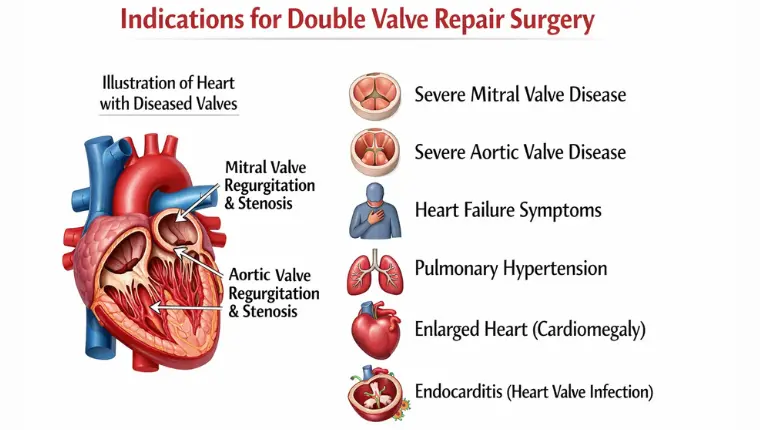
The human heart consists of four valves: the mitral valve, the tricuspid valve, the pulmonic valve, and the aortic valve. These valves direct blood from and to the body throughout the heart. A defect, disease, damage, or infection of the heart leads to the malfunction of any of the four valves. The severe malfunction of a heart valve gets in the way of the blood flow. It also causes fainting spells, heart palpitation and difficulty breathing. These physical conditions worsen and may threaten life with death if the damaged valve is not replaced timely.
Indications of Double Valve Replacement Surgery
In India, doctors tackle this tough issue with skill and smart tools. The country draws patients from around the world for heart fixes that cost less yet match top global standards. Rates of rheumatic fever here make this problem common, but advanced care turns the tide. Let's break down what double valve replacement surgery in India involves, from why it's needed to where to go.
Indications of Double Valve Repair Surgery
What Causes Double Valve Dysfunction?
Rheumatic heart disease tops the list in India, stemming from untreated strep infections in kids. It scars valves over time, leading to leaks or blocks. Stats show it affects up to 1 in 1,000 people here, way higher than in the West.
Degenerative changes hit older folks as valves wear out naturally. Infections like endocarditis chew at the tissue, while birth defects show up early. In Indian patients, a mix of these factors often calls for double valve intervention.
The Surgical Decision: Repair Versus Replacement
Teams aim to fix valves first, keeping your own tissue in play. Repair works well for tears or mild damage, using patches or reshaping. It skips lifelong blood thinners, a big plus.
Replacement steps are required for heavy scarring or infection ruins. In double cases, both valves might need new ones if the repair fails on either. Indian surgeons weigh your age and health to pick the best path.
Double Valve Replacement Procedures and Techniques in India
The majority of heart replacement cases turn out successfully. Only a few patients die on account of the surgery. The percentage of patients who die during or after the surgery is very low. The percentage of patients who are under 65 and who die on account of the surgery is less than 1. However, the quality of life is improved after the surgery in successful cases.
Biological ones, from pig or cow tissue, avoid thinners but wear out in 10-15 years. Older patients or those dodging pills pick them. In India, costs sway choices too—mechanical runs cheaper long-term.
Success Rates of DVR Surgery in India
There are different factors contributing to the success rate of the surgery. If the age of the patient is older, the patient has a lower survival rate after 5 years of surgery. Most of the time, success is measured by the survival of the patient after surgery.
Short-Term Survival and Post-Operative Complications
Top Indian centers report 95% survival right after double valve repair surgery. Most leave the table stable, breathing on their own. Bleeding tops worries, fixed with quick stitches. Infections hover at 2-3%, caught early in clean ICUs. Stroke risk sits under 2% with careful monitoring. Pain meds and walks help you heal smoothly.
Long-Term Durability and Quality of Life Metrics
Five years out, survival hits 85-90% in skilled hands. Ten-year marks reach 70-80%, beating older data. Patients climb from class III heart failure to class I, hiking stairs without huff. Echo checks show valves holding strong. Many return to jobs, dodging the old fatigue. Lifestyle tweaks like diet keep gains alive.
Factors Influencing Success Rates in India
Team experience matters—surgeons with 500+ cases yearly nail outcomes. Pre-op tests spot hidden risks, like weak kidneys. Patient follow-up seals it; those who show for checkups fare best. India's mix of young and old crowds tests limits, yet volumes build expertise. Affordable drugs aid recovery, unlike pricey spots abroad.
Hospitals for Double Valve Surgery in India
DVR surgery (Open reduction and internal fixation of a fractured distal radius) can lead to proper healing and restored movement. If you need DVR surgery, it is essential to find the right surgeon and the right hospital for your repair to return the greatest amount of function and to heal correctly. Numerous orthopedic facilities across India have been treating these fractures and other wrist surgeries, employing their experienced team, using their advanced imaging capabilities, and providing a contemporary operating theatre and rehabilitation service.
|
City |
Hospital / Surgeon |
|
Delhi |
Dr D K Dhiraj | Ganga Ram Hospital |
|
Dr. Abhishek Kumar Mishra |
|
|
Dr. Abhishek Singh |
|
|
Jaipur |
The Royal Orthopaedic Hospital and Sports Injury Centre |
|
Bangalore |
Bangalore Orthopaedic And Surgical Hospital |
|
Sun Orthopaedic Hospital | Shoulder & Knee |
|
|
Dr Deepak N. Inamdar Orthopedic and Robotic Joint replacement center |
|
|
Dr Raghu Nagaraj - Best Orthopedic Surgeon in Bangalore |
|
|
Hyderabad |
Dr. M Balaraju Naidu |
|
Dr Ratnakar Rao |
|
|
Dr.Kaushik Reddy |
|
|
Pune |
Excell Speciality Hospital | Dr. Jagdish Patil | Spine & Joints Orthopedic Surgeon |
We care Health Services Guide: Patients Considering Double Valve Surgery in India
DVR Surgery in India is not a rare event, but it can be complicated because of the infant’s health. It is emotionally challenging for the parents, and counselling is given to the parents before the procedure. We have also discussed post- and pre-operative health care services. Based on these services, it is important to understand the choice of the right clinic. India is now a medical hub for various surgeries because of its technical involvement in medical science.
There are major metropolitan cities involved in medical services such as Cardiac surgery and heart transplants. Pediatric Heart surgery in India involves pre-diagnosis and patient care with nutrient regulation in the post-operative services. Here are some unique points of We Care Health Services.
- High success rate upto 98% if there are no health factors.
- Services in multiple Cities
- Positive testimonials from the patients and the best reviews on Google.
- Experienced surgeons trained in international institutions.
- Counselling for the families to tackle emotions.
- Positive environment with the coordination of the Staff.
Pre-Operative Preparation and Diagnostic Workup
Gather your echo films, blood work, and doctor notes before travel. Book a virtual consultation to share them. In India, you'll do a full check: stress test, CT scan, and lung function. Pack light meds and IDs. Hydrate well on the flight to ease jet lag.
Questions to Ask the Cardiac Surgeon
In this treatment, blood is withdrawn using catheters (small tubes) inserted into veins in the arm, leg, or neck. The blood is then passed through a filter that removes excess fluid and is returned to the body. Studies have shown that ultrafiltration can remove more fluid at a faster rate than medication. These queries build trust and fit the plan to you.
- How many double valve cases have you done this year?
- Will you try to repair both, or go straight to replacement?
- What's the plan if things shift mid-surgery?
- How long until I walk, and what's rehab like?
- Any tweaks for my age or other health issues?
Post-Discharge Rehabilitation and Long-Term Care
Start light walks on day three post-op. Structured rehab builds strength over months. For mechanical valves, track INR levels weekly at first. Diet cuts salt; meds stay forever. Annual echoes watch for issues. Join support groups for tips on daily wins.
Complications or Risk Factors After DVR Surgery in India
The development of risks and complications as a result of double valve replacement is rare. But some of the complications may be severe. Calcium deposits in the heart result from the replacement of a damaged valve with a valve that is made of animal tissue. These deposits impede the normal function of the heart. Another risk of valve replacement is the dislodging of the valves. Blood may clot on the surface area of the new valve and get into the general way of circulation.
Consult Now
GET A FREE QUOTE
It blocks the artery that supplies the kidneys, brain, and legs with blood. The clotting of blood may cause stroke, kidney failure, and fainting spells. Heart muscle infection is also a result of this replacement in some cases. Intravenous antibiotics are prescribed to treat it. Persistent infection indicates another heart valve replacement.
Conclusion
Double valve replacement surgery in India stands strong, blending skill with savings. Success rates near 95% short-term and solid long-haul prove it. Indications clear when symptoms and scans align, guiding repair over replacement where possible.
Top hospitals in key cities deliver world-class care without the huge bills. Patients gain years of active life through timely steps. If double valve disease clouds your path, India's options light the way—reach out soon for that fresh start.