
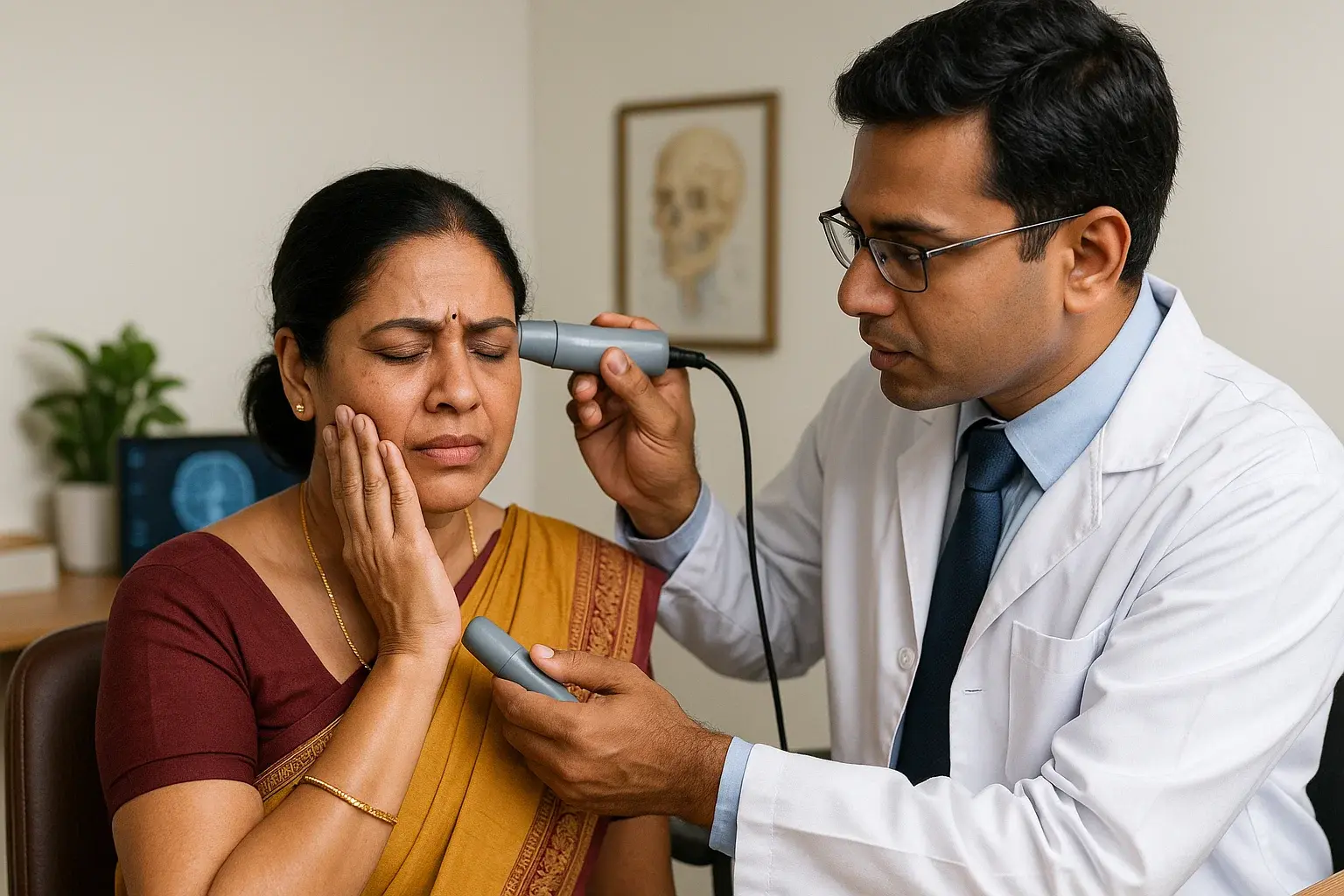
Trigeminal neuralgia treatment in India is a painful condition that affects the trigeminal nerve, this nerve is associated with the face and teeth. Trigeminal Neuralgia Treatment in India is a chronic pain condition that affects the trigeminal nerve, which carries sensation from your face to your brain. Even mild stimulation of the face, like brushing your teeth, applying makeup, or a gentle breeze, can trigger a sudden, severe, shock-like pain.
The condition is painful and can cause chaos if treatment is not provided to the patient. There are different causes of the pain and symptoms also vary in some cases. It is necessary to have initial Guidance about the treatment and ways of pain management.
What is Trigeminal Neuralgia?
Trigeminal neuralgia (TN) is a chronic neurological disorder characterised by sudden, intense, electric shock-like pain in areas of the face supplied by the trigeminal nerve. This nerve is responsible for transmitting sensory information from the face to the brain. The pain usually affects one side of the face—commonly the jaw, cheek, or around the eye—and can be triggered by routine activities such as eating, speaking, or even a light touch.
Book Appointment
GET A FREE QUOTE
The condition is typically caused by compression of the nerve, often by a blood vessel, but it can also result from nerve damage due to multiple sclerosis, trauma, or other underlying issues. Trigeminal neuralgia is known for being one of the most excruciating pain disorders in medicine.
Trigeminal Neuralgia Symptoms
Trigeminal neuralgia causes intense, stabbing facial pain that comes in sudden bursts. The pain is typically limited to one side of the face and may feel like an electric shock or burning sensation. It often affects the lower face and jaw, though it can also involve the areas around the nose and eyes. Attacks can be spontaneous or triggered by routine actions like talking, brushing teeth, shaving, or even a light breeze.
Book Appointment
GET A FREE QUOTE
The episodes last from a few seconds to a couple of minutes but may recur in quick succession. Over time, the pain can become more frequent and severe, greatly affecting daily life and emotional well-being.
- Sudden, sharp, electric-shock-like pain in the face
- Usually affects one side of the face (unilateral)
- Most common in the jaw, cheek, lips, or around the eye
- Pain episodes lasting from a few seconds to 2 minutes
- Attacks may occur in clusters, with multiple episodes in a day
- Pain can be triggered by light touch, chewing, talking, brushing teeth, or cold air
- Sensitivity increases over time; even minor stimuli can provoke pain
- Periods of remission may occur, but often become shorter over time
- Some patients may experience a dull, aching pain between attacks
Trigeminal Neuralgia Eye Symptoms
Trigeminal neuralgia can cause sharp, stabbing pain around the eye, usually on one side of the face. The pain may feel like an electric shock and can be triggered by light touch, blinking, or exposure to wind. Although the eye itself is not damaged, patients often report discomfort or sensitivity in the area. Tearing, twitching, or a sensation of pressure around the eye may also occur. These symptoms can significantly interfere with daily activities and lead to anxiety or fear of triggers.
Trigeminal Neuralgia Causes
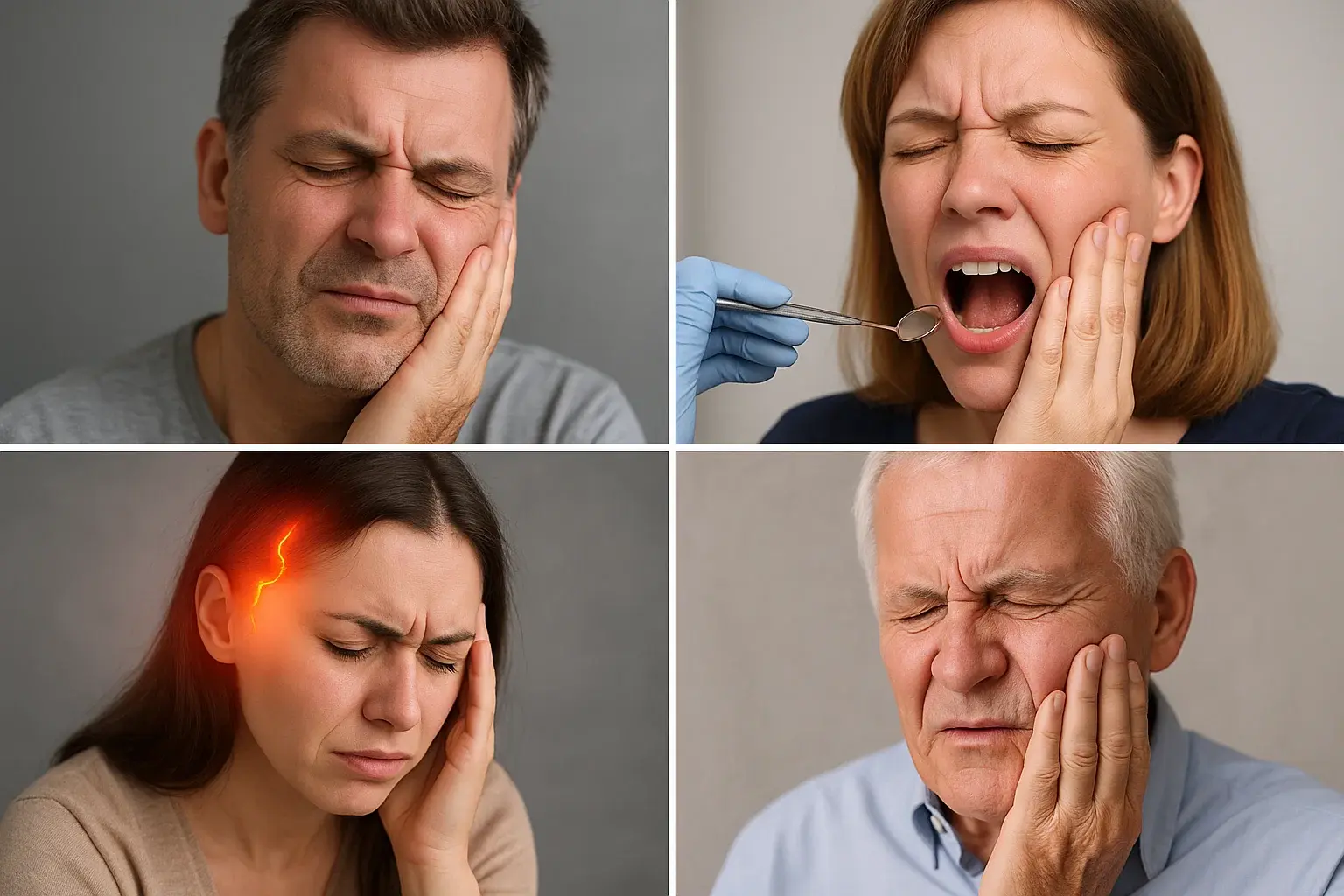
Trigeminal neuralgia is primarily caused by compression of the trigeminal nerve, usually by a nearby blood vessel pressing against it at the base of the brain. This pressure damages the protective covering of the nerve (myelin), leading to erratic and exaggerated pain signals. Other causes may include multiple sclerosis, which also affects nerve myelin, or tumours pressing on the nerve. In some cases, facial trauma, stroke, or surgical injury may be responsible. When no specific cause is found, the condition is termed idiopathic trigeminal neuralgia.
Trigeminal Neuralgia Causes
- Blood vessel compression: The most common cause; a blood vessel presses on the trigeminal nerve near its root.
- Loss of myelin: Damage to the nerve’s protective sheath disrupts normal nerve signalling.
- Multiple sclerosis (MS): A demyelinating disease that can affect the trigeminal nerve.
- Tumours: Benign or malignant growths pressing on the nerve.
- Facial trauma: Injury from accidents or dental/surgical procedures.
- Stroke may impact nerve pathways in rare cases.
- Idiopathic: No identifiable cause in some patients.
Trigeminal Neuralgia Treatment
There are different treatments based on the severity of symptoms. Many times, there are surgical needs of the patients, and they are admitted to the emergency department for such services. Hospitals in Delhi NCR are also open for such cases and help them in pain management and surgical needs if urgent. Now we will talk about all options as a neurological treatment.
Medications
Medications are the first line of treatment for trigeminal neuralgia and aim to reduce nerve activity and pain. Carbamazepine is the most commonly prescribed drug, known for its effectiveness in controlling sudden facial pain. Alternatives like oxcarbazepine, gabapentin, and pregabalin are used when carbamazepine is ineffective or poorly tolerated. Baclofen, a muscle relaxant, may be added for enhanced relief. These medications help stabilize nerve signals, though regular monitoring is needed due to potential side effects and decreasing effectiveness over time.
Book Appointment
GET A FREE QUOTE
Surgical Intervention
It is needed in emergency conditions and when medications are not working for the patients.
Cost of Trigeminal Neuralgia Treatment India
Like other surgeries and treatments, trigeminal neuralgia treatment has different costs. It is based on the health factors or the surgical options. Treatment is not a complex procedure; even minimally invasive surgeries work for patients who are facing the issue repeatedly. We will also discuss the treatment guidance, but before that, here is the comparative cost of the different procedures.
|
Type |
Approximate Cost (INR) |
|
Medication |
₹300 – ₹1,200/month |
|
Medication |
₹500 – ₹1,500/month |
|
Medication |
₹300 – ₹800/month |
|
Surgical |
₹2,50,000 – ₹5,00,000 |
|
Minimally Invasive Surgery |
₹70,000 – ₹1,50,000 |
|
Non-Invasive (Radiation) |
₹1,50,000 – ₹3,00,000 |
|
Minimally Invasive Surgery |
₹80,000 – ₹1,60,000 |
|
Minimally Invasive Procedure |
₹50,000 – ₹1,00,000 |
|
Non-Surgical Procedure |
₹20,000 – ₹40,000/session |
|
Supportive Therapy |
₹5,000 – ₹20,000/device |
|
Lifestyle/Supportive |
₹500 – ₹2,000/session |
Best Hospitals For Trigeminal Neuralgia Treatment
India is home to several advanced hospitals that offer world-class treatment for trigeminal neuralgia. These institutions specialise in both medical and surgical management, including microvascular decompression, gamma knife radiosurgery, and other minimally invasive techniques. Cities like Delhi, Mumbai, Chennai, and Bangalore have multiple centres with expert neurologists and neurosurgeons. Both government and private hospitals offer options ranging from cost-effective to premium care. Choosing the right hospital depends on patient needs, budget, and location.
Book Appointment
GET A FREE QUOTE
|
Hospital Name |
Location |
|
AIIMS (All India Institute of Medical Sciences) |
New Delhi |
|
Apollo Hospitals |
Chennai |
|
Fortis Memorial Research Institute |
Gurgaon |
|
Christian Medical College (CMC) |
Vellore |
|
PGIMER (Postgraduate Institute) |
Chandigarh |
|
NIMHANS (Neuro Institute) |
Bangalore |
|
Kokilaben Dhirubhai Ambani Hospital |
Mumbai |
|
Medanta – The Medicity |
Gurgaon |
|
Max Super Speciality Hospital |
Delhi |
|
Jaslok Hospital |
Mumbai |
|
Narayana Health City |
Bangalore |
|
Lilavati Hospital |
Mumbai |
|
Sri Ramachandra Medical Centre |
Chennai |
|
Amrita Institute of Medical Sciences |
Kochi |
|
Manipal Hospitals |
Multiple Cities |
Treatment Guidance for Trigeminal Neuralgia By We Care Health Services
We Care Health Services is the best platform for multiple care. There are different solutions available for the treatment. There are numerous reasons to choose the clinic, but before that, we will clarify the conditions under which you have to undergo surgical treatment. Surgical intervention for trigeminal neuralgia is considered when certain conditions are met or when conservative treatment fails. Below are the main scenarios where surgery becomes necessary or strongly recommended:
- Medication Failure
– Pain is not adequately controlled despite high doses or a combination of drugs. - Severe Side Effects from Medication
– Patients develop intolerable side effects such as drowsiness, dizziness, liver issues, or allergic reactions. - Progressive Worsening of Pain
– Pain attacks become more frequent, severe, or resistant over time.
Book Appointment
GET A FREE QUOTE
- Shortening Remission Periods
– The gap between pain episodes becomes very brief, making daily life difficult. - Neurological Deficits or Complications
– Pain is accompanied by muscle weakness or signs of nerve damage. - Patient Preference for Long-Term Relief
– Some patients opt for surgery to avoid long-term medication use or recurring pain. - Identifiable Nerve Compression (on MRI)
– MRI shows a blood vessel compressing the trigeminal nerve, making Microvascular Decompression (MVD) an ideal option. - Tumours or Structural Abnormalities
– When a tumour or lesion is the underlying cause, surgical removal becomes necessary.
How We Care Health Services is a Beneficial Choice?
- Offers access to top neurology and neurosurgery experts across India
- Partners with reputed hospitals that provide advanced treatments like MVD and Gamma Knife
- Helps patients choose the right procedure based on their condition and budget
- Supports with complete coordination—from doctor appointments to hospital admission
- Provides personalised care plans, not just standard packages
- Offers second opinions from specialists to ensure the best decision
- Assists both Indian and international patients with travel, documentation, and follow-up
- Maintains transparency in costs and the treatment process
- Focuses on comfort, clarity, and emotional support for patients and families
- Available for consultation and guidance before, during, and after treatment.