
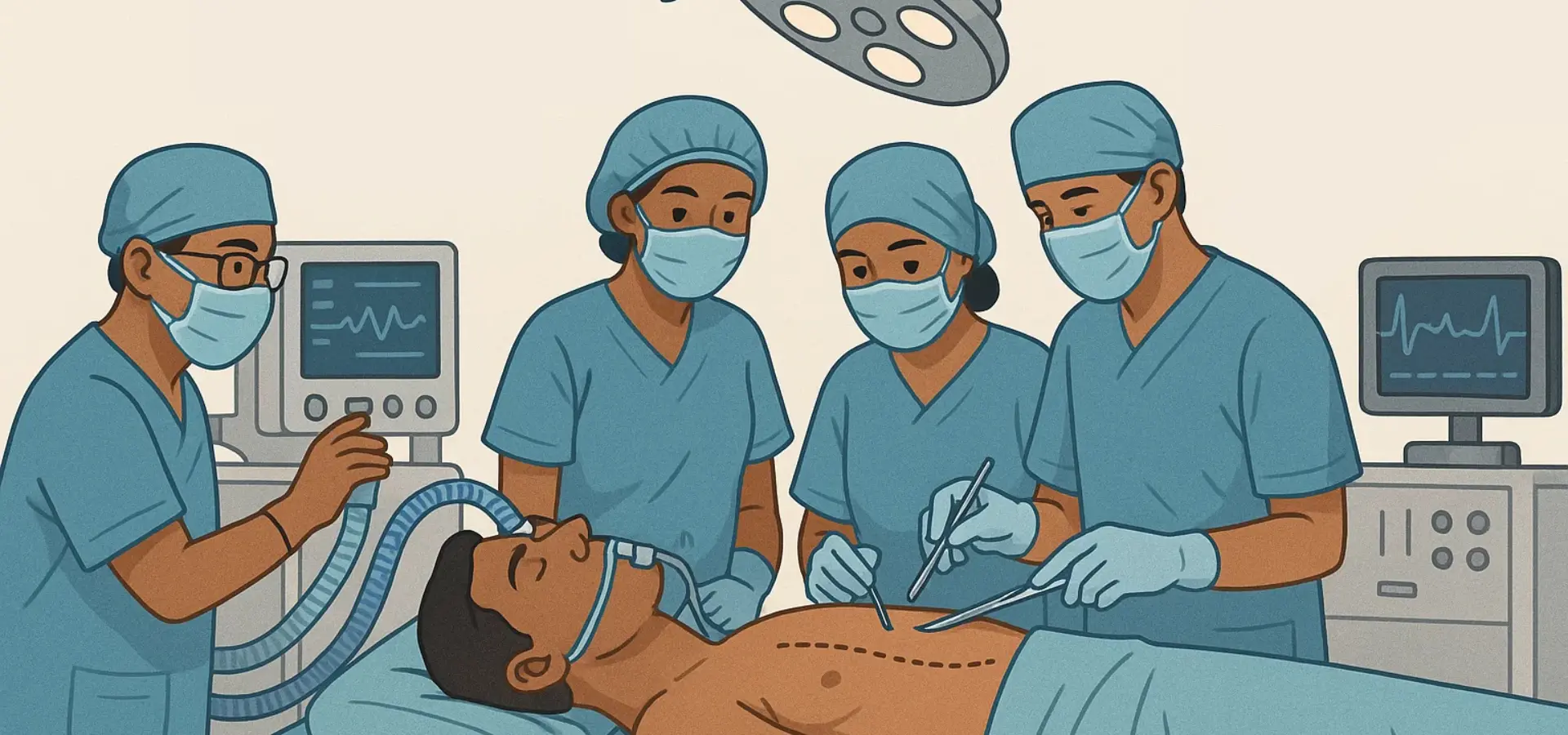
Male surgery overview includes the type of surgery and treatment that is specific to the male gender. There are some genital surgeries which are specifically performed for reproductive problems. The termination method of restricting sperm movement is also referred to as male surgery. So, we can say that vasectomy is called as male surgery.
It is a permanent method of contraception and a population controlling way accepted by fewer people. Some urological operations and prostate surgery also refer to male surgery. They are performed when medication does not work for any male reproductive problem.
What is Male Surgery?
Male surgery refers to surgical procedures specifically designed for men to address medical, cosmetic, or reproductive health concerns. These surgeries can include urological treatments like prostate surgery, vasectomy, or penile implants for erectile dysfunction. Cosmetic male surgeries, such as gynecomastia correction (male breast reduction), hair transplants, and body contouring, are also popular.
Book Appointment
GET A FREE QUOTE
Additionally, male surgeries can address fertility issues through procedures like varicocelectomy. These treatments aim to enhance health, improve confidence, and resolve underlying conditions. Men need to consult qualified specialists for safe and effective results tailored to individual needs and health conditions.
Which is the Most Common Male Surgery?
When it comes to male health, certain surgeries are more common due to medical necessity or lifestyle preferences. Among these, prostate surgery, vasectomy, and hernia repair rank as the most frequently performed. Let’s explore each briefly.
Why are these surgeries common?
The prevalence of these surgeries is linked to age, lifestyle, and reproductive choices. Prostate and hernia issues often arise with ageing, while a vasectomy is a choice for family planning.
The common reasons for the increasing ratio of these surgeries are increasing steroids in the food and some toxic ailments in the environment.
- Age Factor: Prostate issues and hernias are more common in men above 40–50 years of age.
- Lifestyle: Physical strain, heavy lifting, and stress can contribute to hernia development.
- Reproductive Choices: Many men opt for a vasectomy as a permanent family planning method.
- Medical Necessity: Prostate surgery becomes essential to treat BPH or prostate cancer and prevent complications.
- High Success Rate: All three surgeries—prostate surgery, vasectomy, and hernia repair—have high success rates and low risk when performed by experts.
Male Genital Surgery
Male genital surgery refers to surgical procedures performed on the male reproductive organs, including the penis, scrotum, and testes. These surgeries can be medical, cosmetic, or reconstructive, depending on the purpose.
Types of Male Genital Surgery
- Circumcision – Removal of the foreskin for medical, cultural, or religious reasons.
- Penile Implant Surgery – Used to treat erectile dysfunction when other treatments fail.
- Penile Enlargement Surgery – Cosmetic surgery to increase the length or girth of the penis.
- Scrotal Surgery – Includes procedures like varicocelectomy (for enlarged veins) or hydrocelectomy (for fluid in the scrotum).
- Gender Reassignment Surgery – Performed as part of gender transition for transgender individuals.
- Penile Reconstruction (Phalloplasty) – Rebuilding the penis after trauma, cancer, or congenital issues.
Purpose of Male Genital Surgery
- To treat medical conditions like erectile dysfunction, Peyronie’s disease, or injuries.
- To improve aesthetic appearance and self-confidence.
- For reproductive health and addressing infertility issues.
- As part of gender affirmation surgery.
These surgeries require highly skilled urologists or plastic surgeons and involve careful consideration of health risks, recovery time, and psychological impact.
Book Appointment
GET A FREE QUOTE
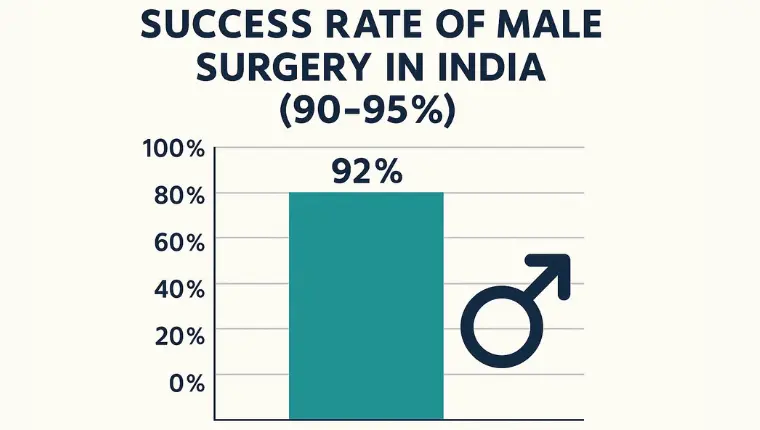
Success Rate of Male Surgery in India
Male surgeries in India, such as vasectomy and prostate surgery, have shown remarkable success rates over the years. Vasectomy, which is a permanent birth control method for men, is considered more than 99% effective in preventing pregnancy. The modern no-scalpel technique has made this procedure even safer, with minimal pain and a very low risk of complications.
Success Rate of Male Surgery in India
Prostate surgeries, particularly for conditions like Benign Prostatic Hyperplasia (BPH), also report excellent outcomes. When performed after proper medical evaluation, these surgeries have success rates of 90–95%, with most patients experiencing significant relief from urinary symptoms and improved quality of life.
The overall success of male surgeries in India is attributed to skilled surgeons, advanced techniques, and better post-operative care. With shorter recovery times and low complication rates, these procedures remain highly reliable options for men seeking long-term health solutions.
Best Hospital for Male Surgery in India
India is one of the top destinations for male surgeries because of its advanced medical infrastructure, affordable costs, and skilled surgeons. Hospitals here use cutting-edge technology, including robotic and laparoscopic surgery, to ensure precision and faster recovery. These hospitals provide treatments for common male health issues such as prostate enlargement, hernia, erectile dysfunction, and infertility-related surgeries.
They are also well-equipped for complex urological and andrological procedures. Many of these hospitals are internationally accredited and have high success rates, attracting patients from across the world. Below is a list of the 15 best hospitals for male surgery in India, along with their specialities:
|
Hospital Name |
Location |
Specialities in Male Surgery |
|
We Care Health Services |
New Delhi |
Prostate surgery, reconstructive urology |
|
Fortis Memorial Research Institute |
Gurugram |
Robotic prostate surgery, kidney transplant |
|
Apollo Hospitals |
Chennai |
Vasectomy, penile implants, and hernia repair |
|
Medanta - The Medicity |
Gurugram |
Robotic urology, infertility surgeries |
|
Max Super Speciality Hospital |
New Delhi |
Prostatectomy, laparoscopic hernia repair |
|
Kokilaben Dhirubhai Ambani Hospital |
Mumbai |
Andrology, penile prosthesis, prostate surgery |
|
BLK Super Speciality Hospital |
New Delhi |
Robotic prostate and bladder surgeries |
|
Manipal Hospitals |
Bengaluru |
Hernia repair, reconstructive male surgeries |
|
Narayana Health |
Bengaluru |
Urology, minimally invasive surgeries |
|
Sir Ganga Ram Hospital |
New Delhi |
Infertility treatment, prostate surgery |
|
Jaslok Hospital & Research Centre |
Mumbai |
Male infertility, microsurgical procedures |
|
Lilavati Hospital |
Mumbai |
Erectile dysfunction, andrological surgeries |
|
Continental Hospitals |
Hyderabad |
Laparoscopic male surgeries, prostate care |
|
Yashoda Hospitals |
Hyderabad |
Kidney and prostate surgeries |
|
Amrita Institute of Medical Sciences |
Kochi |
Robotic surgeries, andrology |
Book Appointment
GET A FREE QUOTE
Cost of Male Surgery in India
The cost of male surgeries in India varies depending on the type of procedure, hospital location, and facilities provided. Common surgeries like vasectomy are very affordable, while advanced procedures such as prostate or penile surgeries can cost significantly more. Factors such as surgeon expertise, hospital category, and additional services also influence the overall cost. Below is a detailed breakdown of estimated prices for different male surgeries in India.
The cost of different surgeries is affected by some common factors, so most of the time we give a rough about them. Also, if the age and health of the patient are not good, then there are chances of more increase in the cost packages.
|
Type of Male Surgery |
Estimated Cost (INR) |
|
Vasectomy (No-Scalpel) |
₹10,000 – ₹25,000 |
|
Prostate Surgery (TURP) |
₹80,000 – ₹2,00,000 |
|
Hernia Repair Surgery |
₹70,000 – ₹1,50,000 |
|
Penile Implant Surgery |
₹2,50,000 – ₹6,00,000 |
|
Circumcision |
₹20,000 – ₹50,000 |
|
Hydrocele Surgery |
₹40,000 – ₹80,000 |
|
Varicocele Surgery |
₹50,000 – ₹1,20,000 |
|
Vasectomy Reversal |
₹75,000 – ₹1,80,000 |
|
Orchiectomy |
₹60,000 – ₹1,50,000 |
|
Testicular Implant Surgery |
₹1,00,000 – ₹2,50,000 |
We Care Health Services for Male Surgery
We Care Health Services is one of the most trusted healthcare facilitators in India, offering specialised care for men who require male surgery. The organisation focuses on providing seamless access to advanced surgical treatments, connecting patients with the best hospitals and highly experienced urologists and andrologists across the country. Whether it is prostate surgery, hernia repair, penile implants, vasectomy reversal, or male infertility surgeries, We Care ensures that patients receive world-class treatment at affordable prices.
What makes We Care stand out is its complete patient-centric approach. They provide end-to-end services including medical consultation, hospital selection, visa and travel assistance, and post-operative care. The team emphasises safety, comfort, and transparency at every stage of the treatment. For international patients, this service becomes a huge advantage as it removes all complexities of treatment planning.
Modern surgical techniques like robotic surgery, laparoscopic procedures, and minimally invasive methods are offered for better recovery and minimal discomfort. We Care Health Services has gained a reputation for its ethical practices, high success rates, and commitment to patient satisfaction. By combining top medical expertise with affordable packages, they make male surgery in India both accessible and reliable.
Book Appointment
GET A FREE QUOTE
Why Choose We Care Health Services for Male Surgery?
- Connects patients with India’s top hospitals and specialists in male surgery.
- Expert surgeons for prostate, hernia, penile implants, and infertility treatments.
- Affordable surgery packages without compromising on quality.
- Complete assistance with medical visa, travel, and accommodation for international patients.
- Availability of advanced technologies like robotic and laparoscopic surgeries.
- Personalised care and treatment plans for every patient’s needs.
- 24/7 support system for pre and post-surgery care.
- High success rates in different types of male surgeries.
- No long waiting periods – quick scheduling of appointments and surgeries.
Full transparency in cost and procedure details with zero hidden charges.