

Kyphosis Surgery in India
Kyphosis surgery in India offers advanced, affordable, and effective solutions for correcting abnormal spinal curvature. Performed by highly skilled orthopaedic and neurosurgery, the surgery aims to realign the spine, relieve chronic back pain, and prevent further progression of the deformity. India is home to world-class hospitals equipped with the latest surgical technology, including spinal fusion and minimally invasive techniques.
Book Appointment
GET A FREE QUOTE
Patients from around the world choose India for its high success rates, comprehensive rehabilitation programs, and significantly lower costs compared to Western countries. Whether due to congenital issues, trauma, or degenerative conditions, kyphosis surgery in India ensures expert care and lasting results.
What is Kyphosis?
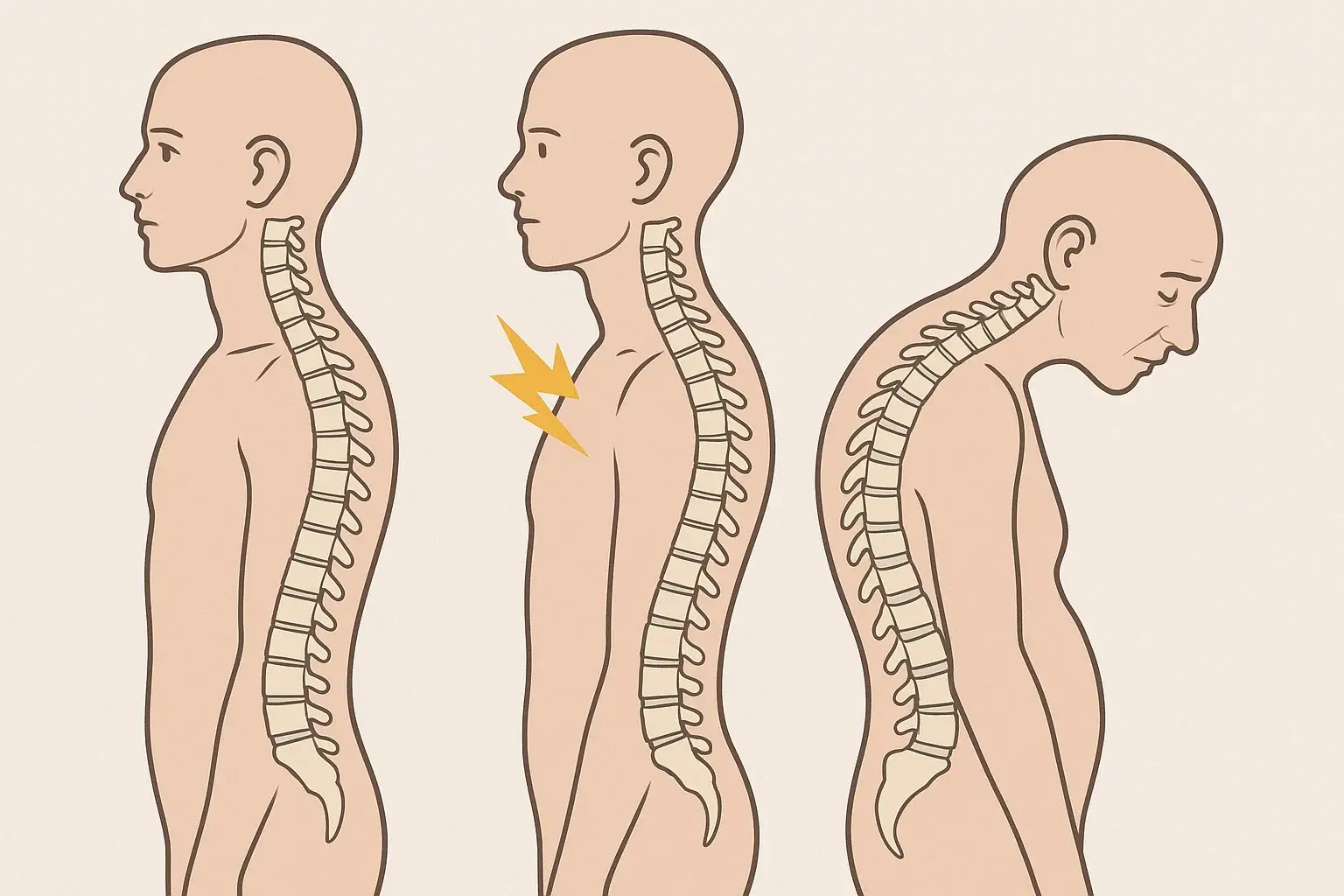
The spine has a series of normal curves when viewed from the side. These curves help to better absorb the loads applied to the spine by the body's weight. The cervical spine (neck) and lumbar spine (lower back) have a normal inward curvature that is medically referred to as lordosis or "lordotic" curvature, by which the spine is bent backwards. The thoracic spine (upper back) has a normal outward curvature that is medically referred to as kyphosis or the "kyphotic" curve by which the spine is bent forward.
The normal curves of the spine allow the head to be balanced directly over the pelvis. If one or more of these curves is either too great or too small, the head may not be properly balanced over the pelvis. This can lead to back pain, stiffness, and an altered gait or walking pattern.
Is There Surgery to Correct Kyphosis?
Kyphosis is curable with many treatment options, including surgery. There is surgery for kyphosis, especially when the spinal curvature is severe, painful, or causing nerve problems. Kyphosis surgery in India is highly effective and commonly recommended when non-surgical treatments fail. The primary goal is to straighten the spine, stabilise it, and relieve pressure on the spinal cord or nerves. These surgeries are performed by experienced spine specialists using both open and minimally invasive methods. Patients often experience improved posture, reduced pain, and better quality of life after recovery. The decision depends on the type and severity of kyphosis, age, and overall health of the patient.
- Spinal Fusion Surgery
- Instrumented Spinal Fusion
- Osteotomy Surgery
- Vertebral Column Resection (VCR)
- Minimally Invasive Spinal Surgery (MISS)
- Decompression with Fusion
Book Appointment
GET A FREE QUOTE
Types of Kyphosis Surgery
Types of kyphosis surgery include spinal fusion, instrumented fusion, osteotomy, vertebral column resection (VCR), minimally invasive spinal surgery (MISS), and decompression with fusion. Each surgery aims to correct spinal curvature, stabilise the spine, and relieve nerve or structural pressure, depending on the severity and cause of the kyphosis condition.

Types of Kyphosis Surgery
Kyphosis Symptoms in Adults
Kyphosis symptoms in adults depend on the spinal region affected—cervical or thoracic. Common signs include pain, stiffness, poor posture, and fatigue. Severe kyphosis can cause nerve compression, difficulty breathing, or neurological symptoms. Identifying symptoms early helps in managing the condition effectively and avoiding complications.
Cervical kyphosis symptoms and thoracic kyphosis symptoms vary depending on the location and severity of the spinal curve. Kyphosis in adults may develop due to poor posture, degenerative diseases, trauma, or spinal infections. In some cases, the deformity becomes progressive and leads to chronic discomfort or nerve-related complications.
Book Appointment
GET A FREE QUOTE
- Persistent neck or upper back pain
- Headaches and neck stiffness
- Hunched or rounded upper back
- Radiating pain in the shoulders or arms
- Tingling or numbness in limbs
- Fatigue or muscle tightness
- Difficulty breathing (in severe thoracic kyphosis)
- Poor posture or imbalance while standing
- Decreased range of spinal motion
- Visible deformity or spinal hump
What is the Cause of Kyphosis?
Kyphosis is a spinal disorder where excessive outward curvature of the spine leads to a rounded back or hunchback appearance. The causes of kyphosis in adults and children vary from postural issues to structural damage. Common triggers include aging, poor posture, spinal injuries, degenerative diseases, or birth defects. Understanding the root cause of kyphosis is crucial for selecting the right treatment, including bracing, physiotherapy, or kyphosis surgery in India.
Cause of Kyphosis
- Postural Kyphosis: Most common in teens due to slouching or poor posture habits.
- Scheuermann’s Disease: A developmental disorder where vertebrae grow unevenly, forming a wedge shape.
- Congenital Kyphosis: Present at birth due to spinal malformation during fetal development.
- Degenerative Diseases: Osteoarthritis or disc degeneration in older adults can lead to kyphosis.
- Osteoporosis: Weakened bones can lead to compression fractures and spinal curvature.
- Spinal Injuries or Trauma: Fractures or dislocations in the spine may result in kyphotic deformity.
- Infections: Conditions like spinal tuberculosis (Pott's disease) can damage the vertebrae.
- Tumors: Spinal tumours may compress or destroy bone, leading to deformity.
- Neuromuscular Disorders: Conditions like muscular dystrophy can affect spinal alignment.
How much does kyphosis surgery cost?
Kyphosis surgery cost in India is significantly lower than in many Western countries while maintaining high standards of care. The price depends on factors like the type of surgery, severity of the curve, hospital location, surgeon's expertise, and length of hospital stay. Basic spinal fusion may cost less, while complex procedures like vertebral column resection or instrumentation are more expensive.
Book Appointment
GET A FREE QUOTE
Private hospitals charge more than government or charitable institutions. Overall, India offers advanced spine correction surgery at an affordable price, making it a top destination for both domestic and international patients seeking effective treatment for kyphosis.
|
Type of Surgery |
Estimated Cost (INR) |
Estimated Cost (USD) |
|
Basic Spinal Fusion |
₹2,00,000 – ₹4,00,000 |
$2,400 – $4,800 |
|
Instrumented Fusion (with implants) |
₹4,00,000 – ₹7,00,000 |
$4,800 – $8,400 |
|
Osteotomy |
₹5,00,000 – ₹9,00,000 |
$6,000 – $10,800 |
|
Vertebral Column Resection (VCR) |
₹8,00,000 – ₹15,00,000 |
$9,600 – $18,000 |
|
Minimally Invasive Surgery (MISS) |
₹3,00,000 – ₹6,00,000 |
$3,600 – $7,200 |
|
Surgery in Government Hospitals |
₹50,000 – ₹2,00,000 |
$600 – $2,400 |
Hospitals for Kyphosis Treatment in India
India is home to some of the world’s best hospitals for kyphosis treatment, offering expert care in spinal correction surgeries. These hospitals feature advanced diagnostic tools, skilled spine surgeons, and comprehensive rehabilitation services. Whether it's conservative management or complex surgeries like vertebral column resection, patients receive individualised care with high success rates.
Most hospitals are equipped with minimally invasive surgery options, ensuring faster recovery and less post-operative pain. From affordable government hospitals to premium private centers, India’s healthcare system supports both domestic and international patients seeking effective and affordable kyphosis surgery in India and spine surgeries across major cities.
|
Hospital Name |
Location |
|
AIIMS (All India Institute of Medical Sciences) |
New Delhi |
|
Indian Spinal Injuries Centre |
New Delhi |
|
Medanta – The Medicity |
Gurugram |
|
Fortis Memorial Research Institute |
Gurugram |
|
Apollo Hospitals |
Chennai |
|
Manipal Hospitals |
Bengaluru |
|
Ganga Hospital |
Coimbatore |
|
Kokilaben Dhirubhai Ambani Hospital |
Mumbai |
|
Sancheti Hospital |
Pune |
|
Christian Medical College (CMC) |
Vellore |
|
Max Super Speciality Hospital |
New Delhi |
|
Narayana Health City |
Bengaluru |
|
Sir Ganga Ram Hospital |
New Delhi |
|
Global Hospitals |
Hyderabad |
|
PGIMER (Postgraduate Institute) |
Chandigarh |
We Care Health Services for Kyphosis Surgery in India
We Care Health Services is one of the most trusted facilitators for kyphosis surgery in India, connecting patients with top-tier spine surgeons and hospitals nationwide. Known for its personalised care, transparent pricing, and seamless coordination, We Care ensures world-class medical outcomes at affordable rates.
Book Appointment
GET A FREE QUOTE
From diagnosis to rehabilitation, the team supports patients through every stage of the treatment journey. Whether it’s a basic spinal fusion or a complex vertebral column resection, We Care Health Services guarantees access to expert surgical techniques, modern facilities, and patient-focused care, making it the best choice for safe and effective kyphosis treatment in India.
- Access to India’s Top Spine Surgeons: Association with leading orthopedic and neurosurgeons with decades of experience in kyphosis correction.
- Tie-ups with Premier Hospitals: Collaboration with renowned hospitals like Medanta, Apollo, Fortis, and Sancheti ensures advanced treatment options.
- Complete Patient Support: From visa assistance and airport pickup to post-surgery rehab planning, all logistics are managed efficiently.
- Affordable Pricing: Competitive surgery packages without compromising on quality or safety.
- Multilingual Staff: Ensures clear communication with international patients, easing the treatment process.
- Quick Appointment Scheduling: Immediate access to consultations and early surgery dates with minimal waiting time.
- Second Medical Opinion: Facility to get a second opinion from top surgeons before finalising the treatment.
- Postoperative Rehabilitation Guidance: Tailored rehabilitation support for smooth recovery and long-term results.
- 24/7 Medical Concierge: Round-the-clock assistance for emergency care or follow-ups.
- Confidential & Ethical Care: Patients are treated with dignity, confidentiality, and compassion throughout their journey.