

Epilepsy treatment in India is highly advanced, offering a range of medical and surgical options at affordable costs. Treatment begins with accurate diagnosis using EEG, MRI, and neurological assessments. Most patients respond well to anti-epileptic drugs (AEDs), which control seizures effectively.
Book Appointment
GET A FREE QUOTE
For drug-resistant cases, options like vagus nerve stimulation, deep brain stimulation, and epilepsy surgery are available at top hospitals. India also offers holistic support through neurorehabilitation, psychological counselling, and lifestyle management. With skilled neurologists, modern infrastructure, and cost-effective care, India has become a preferred destination for comprehensive epilepsy treatment with high success and long-term seizure control rates.
What is Epilepsy?
Epilepsy is a brain disorder in which a person has recurrent seizures. A seizure is caused by a sudden burst of excess electrical activity in the brain, causing a temporary disruption in the normal message passing between brain cells. This disruption results in the brain's messages becoming halted or mixed up.
Causes of Epilepsy
Understanding the epilepsy treatment in India is crucial for accurate diagnosis and effective treatment. Epilepsy can result from a variety of factors affecting brain activity. Common causes include genetic predisposition, head injuries, brain infections like meningitis, and stroke-related brain damage.
Neurological conditions such as brain tumours, developmental disorders, and Alzheimer’s disease can also trigger seizures. In many cases, especially in children, the exact cause remains unknown. Identifying the underlying cause of epilepsy helps in tailoring the most appropriate treatment plan, making seizure control more effective in the long term.
- Genetic factors – Inherited conditions affecting brain function
- Head trauma – Accidents or injuries causing brain damage
- Stroke – A leading cause of epilepsy in adults over 35
- Brain tumours can interfere with normal brain activity
- Central nervous system infections, Such as meningitis or encephalitis
- Prenatal injuries – Brain damage before birth due to oxygen deficiency or infections
- Developmental disorders – including autism or neurodevelopmental delays
- Alzheimer’s disease increases the risk of late-onset epilepsy
- Brain malformations – Abnormal brain development from birth
- Drug or alcohol abuse – Can trigger seizures in sensitive individuals
- Metabolic disorders – Like low blood sugar or electrolyte imbalance
- Unknown causes – In some cases, no identifiable cause is found (idiopathic epilepsy)
Symptoms of Epilepsy
Recognising the symptoms of epilepsy is essential for timely diagnosis and effective epilepsy treatment in India. The most common symptom is recurrent seizures, which may vary in intensity and type. Seizures can involve uncontrolled jerking movements, temporary confusion, loss of awareness, or blank staring episodes.
Book Appointment
GET A FREE QUOTE
Some people may experience sensory disturbances, emotional shifts, or déjà vu before a seizure. These signs may last a few seconds to several minutes. Prompt medical evaluation of these symptoms is critical to initiate proper epilepsy treatment and reduce long-term neurological risks.
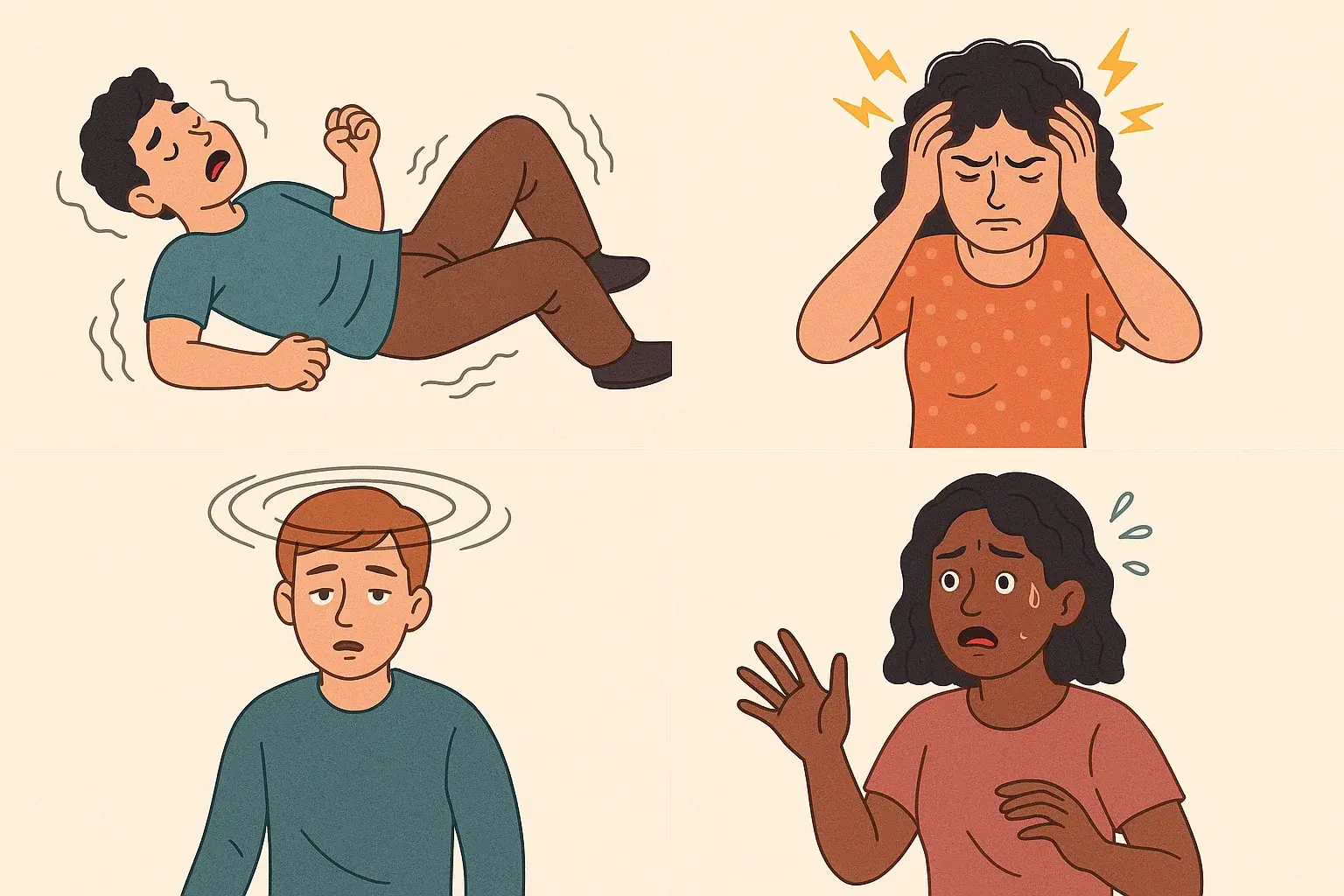
Symptoms of Epilepsy
- Uncontrolled jerking movements of arms and legs (tonic-clonic seizures)
- Staring spells or blank looks without awareness (absence seizures)
- Loss of consciousness or awareness during an episode
- Confusion or memory lapse after a seizure
- Sudden emotional changes like fear, anxiety, or euphoria
- Unusual sensations such as tingling, smells, or sounds
- Repetitive movements like lip-smacking, blinking, or hand rubbing
- Temporary inability to respond or speak
- Sudden falls or fainting episodes
- Aura sensations (warning signs before a seizure)
- Muscle stiffness or rigidity
- Loss of bowel or bladder control during a seizure
Various Treatment Options for Epilepsy in India
Epilepsy treatment in India offers a comprehensive range of options—from affordable medications and advanced surgeries to modern therapies like VNS and dietary interventions. With world-class neurologists, advanced technology, and holistic rehabilitation, patients receive effective and personalized care.
Book Appointment
GET A FREE QUOTE
India’s medical infrastructure supports both local and international patients, ensuring quality treatment with compassion. Early diagnosis, proper management, and lifestyle support significantly improve seizure control and quality of life. Whether through medication or advanced interventions, India remains a trusted destination for safe, successful, and affordable epilepsy treatment.
Epilepsy Surgery Success Rate
The epilepsy surgery success rate in India is quite high, especially for patients with drug-resistant epilepsy. On average, 60% to 80% of patients become seizure-free after surgery, depending on the type of epilepsy and the area of the brain affected. Procedures like temporal lobectomy and lesionectomy show the highest success rates.
Book Appointment
GET A FREE QUOTE
Indian hospitals offer advanced pre-surgical evaluations such as video EEG, MRI, and brain mapping to ensure accurate targeting. With skilled neurosurgeons, modern equipment, and comprehensive post-operative care, India has become a trusted hub for successful epilepsy surgery, offering improved quality of life and long-term seizure control.
Epilepsy Surgery Side Effects
While epilepsy treatment in India, especially surgery, offers high success rates, it may involve certain side effects depending on the type and brain area involved. Common side effects include memory issues, language difficulties, or mood changes. In rare cases, patients may experience infections, bleeding, or temporary weakness. These risks are minimized with advanced brain mapping and skilled neurosurgeons available in top Indian hospitals. Most side effects are temporary and manageable through rehabilitation, making epilepsy surgery a safe and effective option for drug-resistant cases under expert care in India.
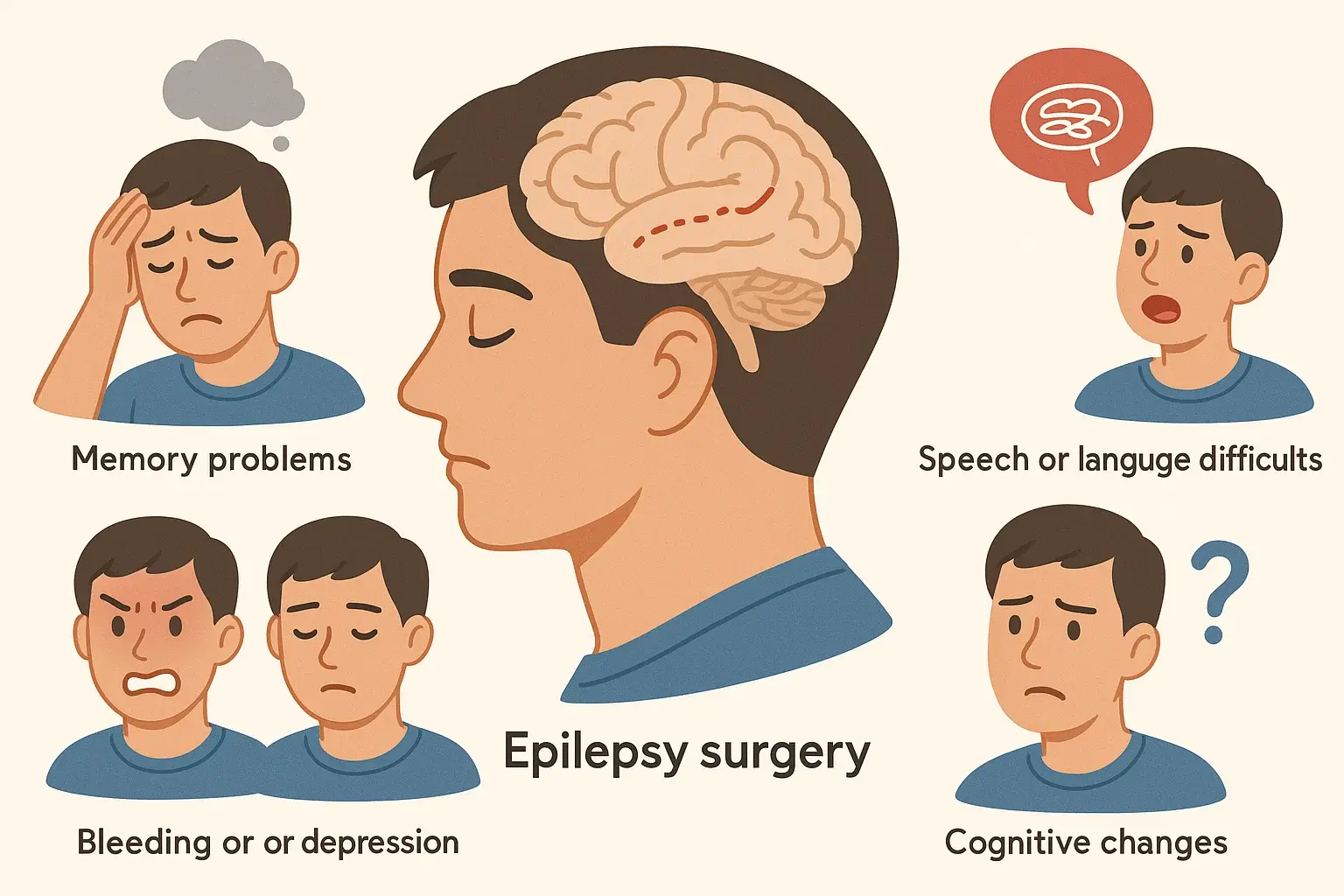
Epilepsy Surgery Side Effects
- Memory problems, especially after temporal lobe surgery
- Speech or language difficulties if the surgery affects the dominant hemisphere
- Mood swings or depression, often short-term
- Infections at the surgical site (rare)
- Bleeding or swelling in the brain
- Temporary weakness or numbness in limbs
- Visual disturbances, depending on the surgical region
- Fatigue or dizziness during recovery
- Seizures may persist in some patients despite surgery
- Cognitive changes, often improved with rehabilitation
Best Hospital for Epilepsy Treatment in India
India is home to some of the most advanced epilepsy treatment centres, offering comprehensive care including diagnostics, medication, surgery, and rehabilitation. These centres are equipped with modern EEG labs, neuroimaging facilities, and experienced neurologists skilled in managing all types of seizures.
Book Appointment
GET A FREE QUOTE
Whether it's drug therapy or epilepsy surgery, top hospitals in India provide personalized, affordable, and effective solutions. From public institutions like AIIMS to private giants like Apollo and Fortis, these centres ensure world-class epilepsy treatment in India, attracting both domestic and international patients seeking quality care.
|
Hospital Name |
Location |
|
All India Institute of Medical Sciences (AIIMS) |
New Delhi |
|
Apollo Hospitals |
Chennai |
|
Fortis Memorial Research Institute |
Gurugram |
|
Medanta – The Medicity |
Gurugram |
|
Christian Medical College (CMC) |
Vellore |
|
Kokilaben Dhirubhai Ambani Hospital |
Mumbai |
|
Max Super Specialty Hospital |
Delhi |
|
Manipal Hospitals |
Bangalore |
|
Narayana Health City |
Bangalore |
|
PGIMER |
Chandigarh |
|
Jaslok Hospital |
Mumbai |
|
Sir Ganga Ram Hospital |
Delhi |
|
NIMHANS |
Bangalore |
|
Ruby Hall Clinic |
Pune |
|
Amrita Hospital |
Kochi |
Epilepsy Treatment Cost in India
The cost of epilepsy treatment in India is highly affordable compared to Western countries, making India a top destination for advanced neurological care. Treatment expenses vary based on diagnosis, medications, surgery, or advanced therapies like VNS.
While most cases are managed with medication, drug-resistant epilepsy may require surgical intervention, increasing the overall cost. Top Indian hospitals offer packages that include diagnosis, hospitalisation, surgery, and rehabilitation. With transparent pricing and quality care, patients receive personalised, cost-effective epilepsy treatment in India tailored to their medical and financial needs.
|
Treatment Component |
Estimated Cost (INR) |
|
Initial Neurologist Consultation |
₹1,000 – ₹3,000 |
|
EEG (Electroencephalogram) |
₹1,500 – ₹5,000 |
|
MRI Brain Scan |
₹5,000 – ₹12,000 |
|
Anti-Epileptic Medication (monthly) |
₹500 – ₹3,000 |
|
Vagus Nerve Stimulation (VNS Therapy) |
₹6,00,000 – ₹8,00,000 |
|
Epilepsy Surgery (standard procedures) |
₹2,00,000 – ₹5,00,000 |
|
Advanced Epilepsy Surgery (e.g. lobectomy) |
₹4,00,000 – ₹7,00,000 |
|
Hospital Stay (per day in private hospital) |
₹5,000 – ₹15,000 |
|
Neuropsychological Evaluation |
₹3,000 – ₹10,000 |
|
Post-operative Rehabilitation (monthly) |
₹10,000 – ₹30,000 |
|
Total Treatment Cost Range |
₹25,000 – ₹8,00,000+ |
We Care Health Services for Epilepsy Treatment
We Care Health Services is a trusted healthcare facilitator offering expert-guided access to the best epilepsy treatment in India. Partnering with leading hospitals like AIIMS, Apollo, Fortis, and NIMHANS, We Care ensures patients receive world-class neurological care tailored to their needs. Whether it’s managing mild epilepsy with medication or treating complex, drug-resistant cases through advanced surgery, We Care provides end-to-end support—from diagnosis and hospital coordination to rehabilitation and follow-ups.
Their network includes highly experienced neurologists and neurosurgeons skilled in procedures like EEG, brain mapping, VNS therapy, and epilepsy surgery. We Care also assists international patients with visa, travel, and accommodation services, making access to treatment seamless and stress-free.
Book Appointment
GET A FREE QUOTE
Affordability is a key strength of epilepsy treatment in India through We Care. Patients receive transparent cost estimates, personalized treatment plans, and continuous support throughout their healing journey. Beyond just medical arrangements, We Care’s compassionate team ensures patients and families feel guided, informed, and emotionally supported at every step.
With a strong reputation for excellence, coordination, and patient-centric values, We Care Health Services stands out as a reliable companion for anyone seeking safe, effective, and affordable epilepsy treatment across India’s top hospitals.