
Oncology or cancer study is one of the major growing concerns of modern medical science. The oncology overview or cancer treatment in India starts with the specific concern. There are many factors responsible for the growing data in the cancer field. According to the Indian Council of Medical Research (ICMR), there are around 14,00,000 cancer cases recorded every year. This is a matter of concern.
What is the reason for the oncogenic transformation of the genes? Still, we can’t find out that properly. Some say it is food and pesticides, or the overuse of plastic. From these annual cases, there are around 8 to 9 lakh deaths. This is a drastic range, and increases the mortality rate continuously. The most common cancers are: breast, cervical, lung, oral, and colorectal cancers.
Book Appointment
GET A FREE QUOTE
Apart from the cases, there are some reality checks for doctors and for the collective population. Early detection of cancer helps in stopping it from spreading. Early detection is key to successful treatment. We require more tools, infrastructure, and expert doctors to cover the whole disease. We are setting up a regional hub for affordable oncology treatment and have been successful in many other efforts. One of the greatest achievements is that it is a modern treatment hub for many countries.
Understanding Oncology and Its Branches
Oncology is a specialized branch of medicine that focuses on the study, diagnosis, and treatment of cancer. It encompasses a wide range of medical practices and research areas aimed at understanding how cancer develops, spreads, and responds to different therapies. An oncologist — the physician who specializes in this field — plays a central role in guiding a patient’s journey, from diagnosis to treatment and long-term follow-up. The oncologist works closely with surgeons, radiologists, pathologists, and nursing staff to ensure that every patient receives comprehensive and personalized care.
- Surgical oncology
- Radiation oncology
- Medical oncology
Oncology Overview: Cancer Treatment in India
For any cancer treatment plan to succeed, collaboration between these branches is crucial. A patient may undergo surgery to remove the tumor, followed by chemotherapy or radiation to eliminate residual cancer cells. This multidisciplinary approach ensures that every aspect of the disease is addressed — both the visible tumor and microscopic cells that may have spread elsewhere.
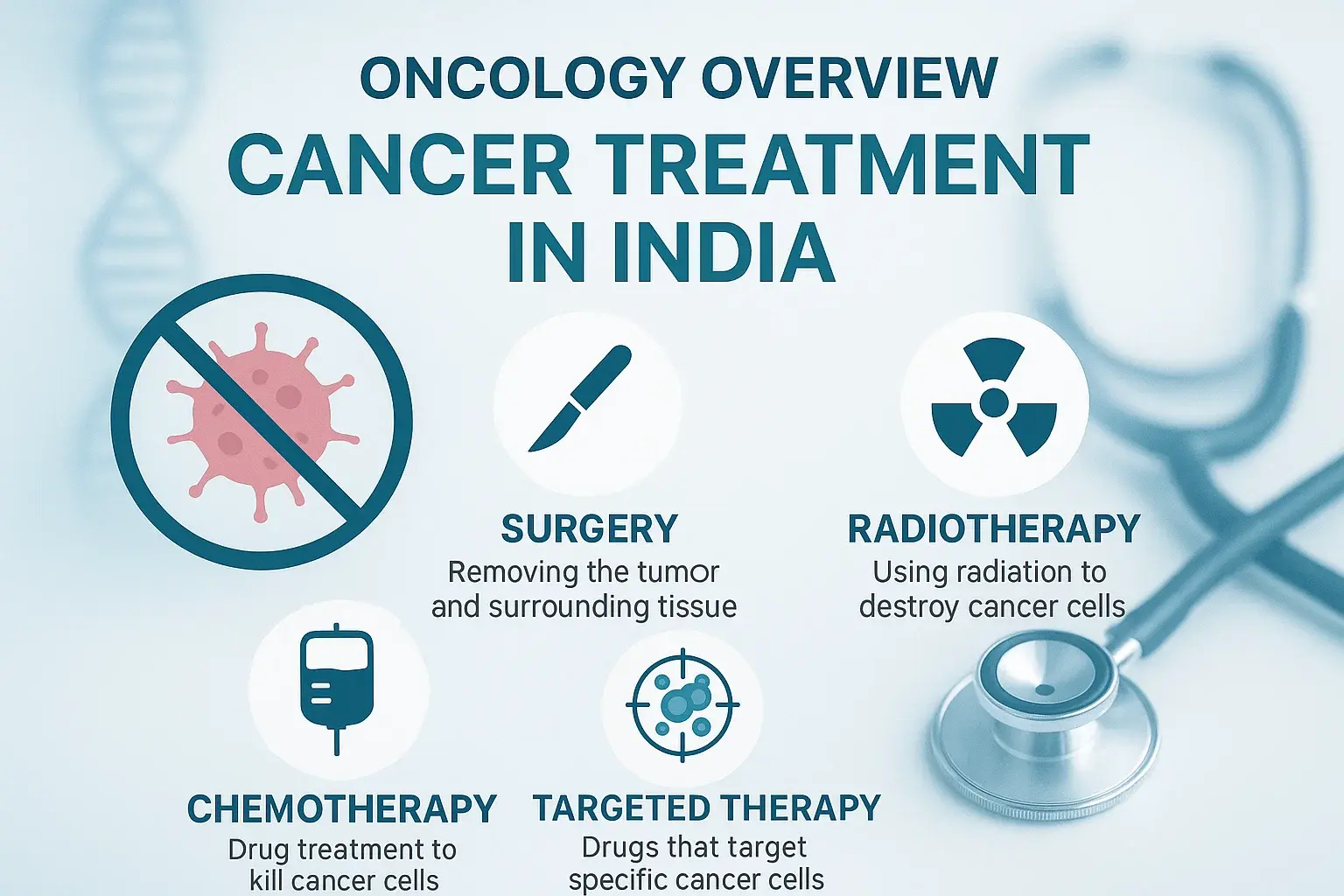
Oncology Overview Cancer Treatment in India
In addition to treatment, diagnostics and pathology form the backbone of modern oncology. Advanced imaging techniques, molecular pathology, and genetic testing now play a key role in identifying the type and stage of cancer, helping doctors choose the most effective therapy. In India, such tools have become increasingly accessible, strengthening the country’s capacity to deliver precise, world-class oncology care.
Book Appointment
GET A FREE QUOTE
Common Cancer Treatment in India
The different cancer treatments in India are a hope for the patients, and they are engaging new mechanical tools in the medical field. The treatment is accurate in either way. The different technologies, like radiotherapy and brachytherapy, are helping patients.
India faces a growing cancer burden, with certain types of cancer occurring more frequently due to lifestyle, environmental, and genetic factors. While over a hundred forms of cancer are known, only a few account for the majority of cases seen across hospitals and oncology centers. Understanding the common cancers treated in India helps highlight the country’s strengths and challenges in prevention, early detection, and medical care.
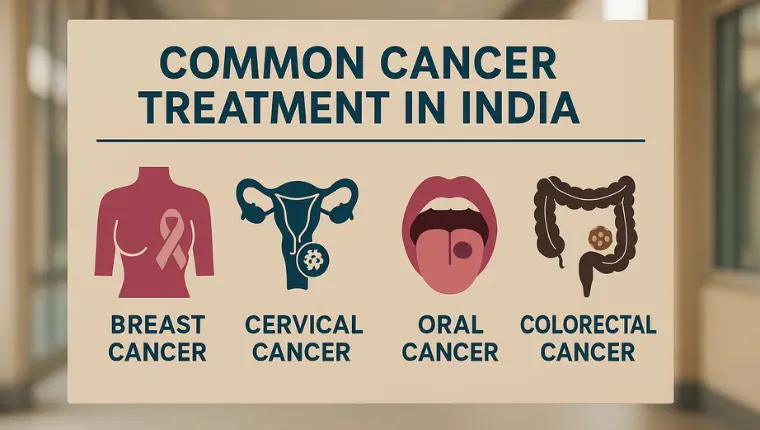
Common Cancer Treatment in India
Best Cancer Treatment in India
Children, too, face cancers such as leukemia (blood cancer) and lymphoma, which require specialized pediatric oncology care. India now has several centers offering advanced bone marrow transplants and targeted pediatric cancer therapies at a fraction of global costs.
Overall, the oncology overview in India reflects a mix of progress and challenges. The country has made remarkable strides in early screening and advanced oncology overview: cancer treatment in India, yet awareness gaps and rural disparities persist. Lifestyle modification, preventive vaccination, and government-backed screening programs are vital to reducing new cases in the future. With continued investment in research, training, and patient education, India is steadily advancing toward a more inclusive and effective national cancer care system.
Major Treatment Available in India
Cancer treatment in India has evolved significantly over the past two decades, moving from limited conventional therapies to advanced, personalized treatment approaches. With improvements in technology, research, and clinical expertise, Indian oncology now offers a comprehensive spectrum of cancer care comparable to global standards — at far more affordable costs. This section presents an oncology overview: Cancer Treatment in India of the major treatment modalities available in India, highlighting how each plays a distinct yet interconnected role in cancer management.
Book Appointment
GET A FREE QUOTE
Chemotherapy
Chemotherapy remains one of the most widely used cancer treatments in India. It involves the administration of cytotoxic drugs that target rapidly dividing cancer cells. These drugs may be given orally or intravenously, in cycles that allow the body to recover between sessions.
In India, oncologists follow globally recognized protocols while tailoring treatment based on the cancer type, stage, and the patient’s overall health. Common cancers treated with chemotherapy include breast, lung, colorectal, and blood cancers. The introduction of day-care chemotherapy centers has made treatment more accessible and convenient.
While chemotherapy can cause side effects such as nausea, fatigue, and hair loss, Indian hospitals are now integrating supportive therapies, nutritional counseling, and psychological care to minimize discomfort. The use of newer drugs and infusion pumps ensures precise dosage control, improving both safety and outcomes.
Radiation Therapy
Radiation therapy uses high-energy rays to destroy or shrink cancer cells. India has made significant progress in this area, with modern facilities now offering advanced radiation technologies.
The most common method is External Beam Radiation Therapy (EBRT), where linear accelerators deliver focused radiation to the tumor site while sparing healthy tissue. Techniques like IMRT (Intensity-Modulated Radiation Therapy) and IGRT (Image-Guided Radiation Therapy) allow precise targeting of cancer cells with minimal side effects.
India also offers Brachytherapy, where radioactive materials are placed directly inside or near the tumor — commonly used for cervical, prostate, and oral cancers. A few leading centers such as Apollo Proton Cancer Centre (Chennai) and Tata Memorial Hospital (Mumbai) now provide Proton Beam Therapy, the most advanced and tissue-sparing form of radiation available globally. These advancements mark a major leap in the oncology overview of India’s treatment landscape, positioning the country as a hub for technologically sophisticated cancer therapy.
Surgical Oncology
Surgery is often the first line of treatment for solid tumors, and surgical oncology in India has seen a transformation with the rise of robotic and minimally invasive procedures. Surgical oncologists specialize in removing cancerous tumors and surrounding tissues while ensuring organ preservation whenever possible.
Indian hospitals now perform complex surgeries, including head and neck reconstructions, breast-conserving surgeries, and gastrointestinal tumor resections, with outcomes matching global benchmarks. Robotic surgery has become increasingly available in metropolitan cancer centers, offering greater precision, smaller incisions, and faster recovery.
In addition to treatment, surgery also plays a diagnostic and preventive role through biopsies, lymph node dissections, and prophylactic surgeries in genetically high-risk patients. Reconstructive surgery, a vital part of post-cancer rehabilitation, helps restore function and appearance, supporting the patient’s physical and emotional well-being.
Immunotherapy and Targeted Therapy
In recent years, immunotherapy and targeted therapy have transformed the field of medical oncology in India. Unlike traditional chemotherapy, these approaches are designed to specifically attack cancer cells while sparing healthy tissues.
Immunotherapy works by enhancing the body’s immune system to recognize and destroy cancer cells. Drugs like Nivolumab and Pembrolizumab are now available in major Indian oncology centers for treating lung, kidney, and melanoma cancers.
Targeted therapy, on the other hand, focuses on specific molecular markers or genetic mutations that drive cancer growth. Drugs such as Imatinib for chronic myeloid leukemia (CML) and Trastuzumab for HER2-positive breast cancer have drastically improved survival outcomes.
Book Appointment
GET A FREE QUOTE
Although these treatments can be expensive, India’s growing pharmaceutical manufacturing sector produces several cost-effective generic versions, making advanced therapies more affordable compared to Western countries. This affordability strengthens the global appeal of cancer treatment in India for both domestic and international patients.
Bone Marrow and Stem Cell Transplant
For cancers affecting the blood and lymphatic system, such as leukemia, lymphoma, and multiple myeloma, bone marrow and stem cell transplants are often the best curative option.
In this procedure, damaged or cancerous bone marrow is replaced with healthy stem cells that regenerate new blood cells. Indian hospitals like AIIMS, Apollo, and Fortis perform both autologous (self-donor) and allogeneic (donor-based) transplants with excellent success rates. The availability of skilled specialists and advanced laboratories makes India one of the most affordable destinations for such high-end procedures.
Palliative and Supportive Care
While advanced cancer care focuses on cure and remission, palliative care addresses the quality of life. It includes pain management, emotional counseling, nutritional guidance, and rehabilitation support for patients with late-stage or chronic cancers.
Hospitals like Tata Memorial and CanSupport in Delhi have established strong palliative care networks, ensuring that patients receive compassionate, holistic attention even when a cure is not possible. This reflects a maturing oncology overview: cancer treatment in India that values both survival and dignity.
Integrated Approach to Cancer Care
What sets modern oncology overview: cancer treatment in India apart is the multidisciplinary collaboration between medical, surgical, and radiation oncologists. Each case is discussed in tumor boards where experts jointly design personalized treatment plans based on the cancer’s biology and stage. Diagnostics, pathology, and genetic testing have become integral, guiding doctors toward the most effective combination of therapies.
India’s integration of affordability, expertise, and innovation ensures that patients from all walks of life — whether local or international — can access advanced oncology treatment without compromising on quality or compassion. As research expands and precision medicine grows, India’s cancer care ecosystem continues to strengthen its position as a global leader in comprehensive oncology.
Cost of Cancer Treatment in India
Cancer treatment in India is considerably more affordable than in many Western countries, making it a preferred choice for both domestic and international patients. Costs vary depending on the type of cancer, stage, treatment modality, hospital, and city. Government hospitals offer subsidized care, while private hospitals provide advanced therapies with higher costs. Insurance schemes and generic medications have further reduced the financial burden, making quality cancer treatment in India accessible to a broader population.
|
Treatment Type |
Approximate Cost in India |
|
Chemotherapy (per cycle) |
₹30,000 – ₹2,00,000 |
|
Radiation Therapy (IMRT/IGRT) |
₹1,50,000 – ₹5,00,000 |
|
Surgery (tumor removal) |
₹1,50,000 – ₹10,00,000+ |
|
Bone Marrow / Stem Cell Transplant |
₹10,00,000 – ₹25,00,000+ |
|
Targeted Therapy / Immunotherapy |
₹2,00,000 – ₹10,00,000 per course |
|
Palliative Care (per month) |
₹10,000 – ₹50,000 |
Best Cancer Hospitals in India
These hospitals are widely recognized for providing world-class cancer treatment in India, combining advanced technology, multidisciplinary care, and experienced oncology specialists. They cater to both domestic and international patients, offering everything from conventional therapies like chemotherapy and surgery to cutting-edge treatments such as proton therapy, immunotherapy, and bone marrow transplants. Accreditation by NABH or JCI ensures high standards of patient safety and care quality. Selecting the right hospital depends on the type of cancer, treatment needs, and accessibility for the patient.
|
Hospital Name |
City |
Accreditation |
|
Tata Memorial Hospital |
Mumbai |
NABH |
|
AIIMS |
New Delhi |
NABH |
|
Apollo Proton Cancer Centre |
Chennai |
JCI |
|
Rajiv Gandhi Cancer Institute (RGCIRC) |
New Delhi |
NABH |
|
Medanta – The Medicity |
Gurgaon |
NABH, JCI |
|
HCG Cancer Centre |
Mumbai |
NABH |
|
Fortis Memorial Research Institute (FMRI) |
Gurgaon |
NABH, JCI |
|
Kidwai Memorial Institute of Oncology |
Bengaluru |
NABH |
|
Max Super Speciality Hospital |
Delhi |
NABH |
We Care Health Services for Oncology Treatment
We Care Health Services is a leading medical tourism provider in India, dedicated to helping international patients access world-class cancer care. They collaborate with top hospitals across the country, ensuring patients receive personalized, affordable, and comprehensive treatment.
Book Appointment
GET A FREE QUOTE
- Access to Renowned Hospitals: Partners with prestigious institutions such as Max Hospital (Delhi), Dharamshila Hospital (Delhi), Action Cancer Hospital (Delhi), Global Hospital (Chennai & Bangalore), HCG Hospital (Bangalore), and Fortis Hospital (Bangalore).
- Expert Medical Team: Provides access to highly qualified oncologists and specialists, many trained internationally.
- Comprehensive Treatment Options: Offers chemotherapy, radiation therapy, surgery, bone marrow transplants, and advanced therapies such as HIFU and CyberKnife.
- Personalized Care: Designs treatment plans tailored to each patient’s unique needs and condition.
- Cost-Effective Solutions: Delivers high-quality cancer treatment at 60–85% lower costs compared to the USA or UK, making treatment more accessible.
- International Patient Services: Assists with medical visas, travel arrangements, accommodation, and local transportation to simplify the patient journey.
- Post-Treatment Support: Ensures proper follow-up care, rehabilitation, and guidance for recovery.
- Confidential Consultations: Offers private consultations to help patients understand their treatment options and choose the best approach.
- Multidisciplinary Tumor Boards: Organize regular meetings of oncologists, surgeons, radiologists, and other specialists to create optimal treatment strategies for complex cases.
With a focus on quality, affordability, and patient-centric care, We Care Health Services has established itself as a trusted partner for those seeking advanced cancer treatment in India. Their integrated approach ensures that patients not only receive world-class medical care but also the guidance and support needed throughout the treatment journey.
Different Causes of Cancer
Cancer is a complex disease that arises when cells in the body grow uncontrollably, often forming tumors and sometimes spreading to other parts of the body. Understanding the causes of cancer is essential for prevention, early detection, and effective treatment. The development of cancer is typically influenced by a combination of genetic, environmental, and lifestyle factors.
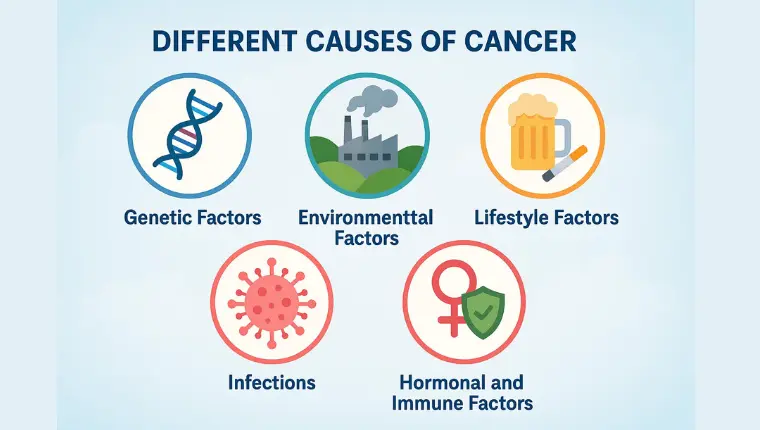
Different Causes of Cancer
Genetic Factors: Some people inherit mutations in certain genes that increase their susceptibility to cancer. For example, mutations in the BRCA1 and BRCA2 genes can raise the risk of breast and ovarian cancers. Family history plays a significant role in identifying individuals at higher risk.
Environmental Factors: Exposure to harmful substances such as asbestos, industrial chemicals, and radiation can trigger cancer development. Air pollution and prolonged ultraviolet (UV) radiation from the sun are also linked to lung and skin cancers.
Lifestyle Factors: Tobacco use is one of the leading causes of cancer worldwide, responsible for oral, lung, and throat cancers. Excessive alcohol consumption, poor diet, lack of physical activity, and obesity are additional lifestyle-related contributors.
Infections: Certain viruses and bacteria can increase cancer risk. Human papillomavirus (HPV) is strongly associated with cervical cancer, while hepatitis B and C infections can lead to liver cancer.
Hormonal and Immune Factors: Hormonal imbalances and a weakened immune system can also contribute to cancer development. For example, prolonged exposure to estrogen can increase breast cancer risk, while immune suppression may allow abnormal cells to grow unchecked.
Overall, cancer is rarely caused by a single factor. It usually develops from a combination of genetic predisposition, environmental exposures, lifestyle habits, and infections. Recognizing these causes helps guide prevention strategies and supports the goal of reducing cancer incidence globally, including in India.
Affordable Cancer Treatment in India- Foreign Patient Treatment in Indian Hospitals
India has become a preferred destination for affordable cancer treatment due to high-quality care, modern facilities, and cost-effective procedures. Foreign patients benefit from world-class oncology services at a fraction of the cost compared to the USA or Europe.
Foreign patients benefit from treatments that are often 60–85% cheaper than in Western countries, without compromising on quality. Indian hospitals follow globally recognized protocols and use cutting-edge technologies, including robotic surgery, proton therapy, immunotherapy, and targeted therapy.
- Cost-Effective Treatments: Major procedures such as chemotherapy, surgery, and radiation therapy are priced far lower than in the USA, UK, or Europe.
- Access to Advanced Oncology Services: Patients can receive chemotherapy, radiotherapy, surgery, bone marrow transplants, proton therapy, and immunotherapy under one roof.
- World-Class Hospitals: Leading centers include Tata Memorial Hospital (Mumbai), AIIMS (Delhi), Apollo Cancer Institutes, Fortis, HCG, and Medanta.
- Personalized Care: Each patient receives customized treatment plans tailored to their type of cancer, stage, and overall health.
- Comprehensive Support Services: Assistance with medical visas, travel arrangements, accommodation, local transportation, and post-treatment follow-up care ensures a smooth treatment journey.
- Multidisciplinary Approach: Tumor boards consisting of oncologists, surgeons, radiologists, and other specialists develop optimal treatment strategies.
India’s combination of affordability, advanced technology, and compassionate care has positioned it as a trusted destination for international cancer treatment, providing hope and effective therapy to patients worldwide.
Latest Technologies for Cancer Treatment in India
India has emerged as a global leader in adopting cutting-edge cancer therapies, combining affordability with advanced medical technology. Here's a look at some of the most recent innovations:
1. NexCAR19 – India's First Indigenous CAR-T Cell Therapy
Developed through a collaboration between IIT Bombay, Tata Memorial Centre, and ImmunoACT, NexCAR19 is India's first indigenously developed CAR-T cell therapy. This groundbreaking treatment offers a highly effective, next-generation approach for blood cancers like leukemia and lymphoma, making it accessible to millions at a fraction of the cost of imported therapies.
2. MR-Linac Systems for Real-Time Imaging
The Elekta Unity MR-Linac system, installed at institutions like Yashoda Medicity in Ghaziabad, integrates MRI with radiation therapy. This allows for real-time imaging of tumors during treatment, enhancing precision and minimizing damage to surrounding healthy tissues.
3. Proton Beam Therapy
Proton therapy is gaining traction in India as a precise form of radiation treatment, particularly beneficial for tumors near critical structures. Facilities offering proton therapy are expanding, providing patients with advanced treatment options.
4. Liquid Biopsies for Early Detection
Liquid biopsy techniques are revolutionizing cancer diagnosis by detecting cancer-related genetic mutations through blood samples. This non-invasive method allows for early detection and monitoring of treatment efficacy.
5. Artificial Intelligence in Radiation Therapy
Hospitals like HCG Cancer Centre have introduced AI-based radiation treatment technologies. These systems use machine learning algorithms to plan and deliver radiation therapy with high precision, improving treatment outcomes.
6. Intra-Operative Electron Radiation Therapy (IOeRT)
Aster Hospitals in Bangalore have launched India's first IoT system. This technology delivers targeted radiation during surgery, reducing the need for postoperative radiation and enhancing treatment efficacy.
7. Laser Oncosurgery
Laser oncosurgery offers a non-invasive solution for treating tumors, particularly in areas like the head and neck. This technique minimizes physical trauma and promotes quicker recovery.
Frequently Asked Questions:
This remarkable outcome has led to significant interest in dostarlimab as a potential treatment option for various cancers exhibiting similar genetic mutations. The drug works by blocking the PD-1 receptor, thereby enhancing the immune system's ability to recognize and destroy cancer cells.