
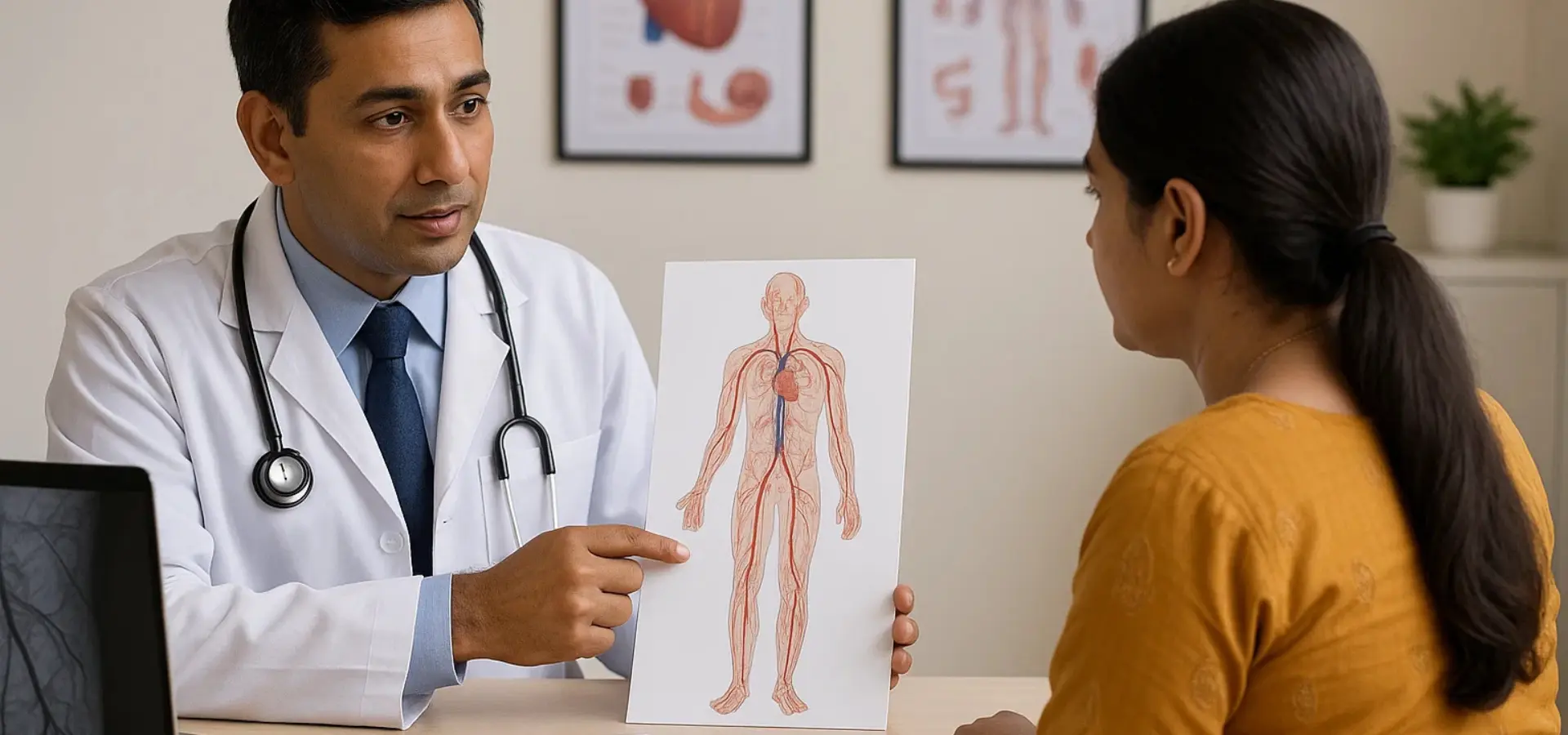
Vascular Surgery in India and Vascular Surgery Overview in India are presented by We Care Health Services. We are partnered hospitals and making an easy journey for the patients. In the surgery, especially involving heart diseases and cancer, patients lose their hope. Sometimes there are financial issues, other times it is like a tough phase on an emotional side.
Our vascular surgery overview features the best hospitals, offering cost transparency and details on the types of surgeries performed at each location. Other than this, there are packages and some tips to remain healthy. The food and lifestyle in the present era are getting polluted too much, and it is reducing the normal life span of people.
What is Vascular Surgery?
Vascular surgery is a medical specialty that deals with the diagnosis and treatment of conditions affecting the body’s blood vessels, mainly arteries, veins, and lymphatic circulation, outside of the heart and brain. It focuses on maintaining proper blood flow throughout the body, as any blockage, narrowing, or weakening in the vessels can cause serious health problems.
A vascular surgeon is trained to manage these conditions through both surgical and non-surgical methods. In many cases, they use minimally invasive techniques, like angioplasty and stent placement, to restore blood flow. When necessary, they also perform open surgeries such as bypass operations or the removal of blood clots.
Why Would A Person Need Vascular Surgery?
A Vascular surgeon is known for the operation of the vascular system, which is made up of arteries and veins. The surgery is needed when there is a blockage, a narrowing of the vessel, or varicose veins. There are different conditions like ischemia and angina, which are noticed as symptoms, while these diseases continue in the patients. There are some emergency conditions that indicate the need for surgery. Most of the vascular surgery comes under the same category, but it should be outside the heart and brain.
Some conditions like Aneurysms (bulging of an artery), peripheral artery diseases, carotid artery diseases, and chronic limb ischemia, etc., need proper treatment from the doctors and may lead to an emergency condition for vascular surgeries.
Here are the particular reasons for the vascular surgery:
- Peripheral artery disease (PAD)
- Aneurysms (bulging of an artery)
- Deep vein thrombosis (DVT)
- Varicose veins
- Carotid artery disease
- Chronic limb ischemia
What are Peripheral Diseases (PAD)?
When peripheral arteries, or we can say blood vessels carrying blood from the heart to the lower parts of the body, are narrowed by the deposition. It most of the time happens because of cholesterol deposition in the body. The reason could also be the narrowing or blockage due to the buildup of fatty deposits called plaque.
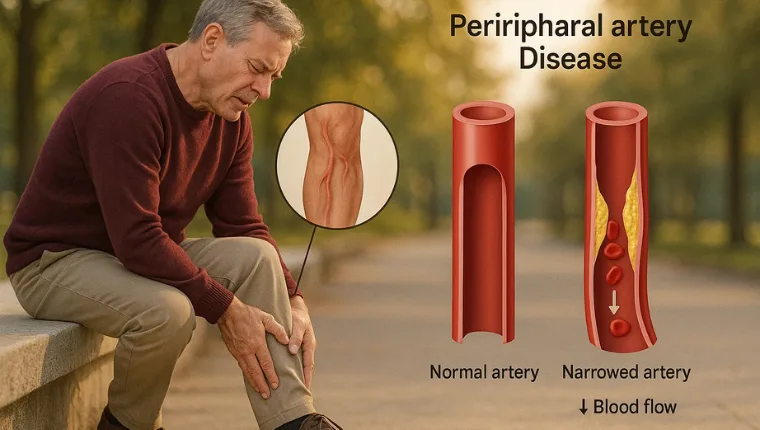
This process is known as atherosclerosis, and a similar procedure in the case of heart arteries is known as arteriosclerosis. When arteries become narrowed, blood flow to the muscles decreases, leading to pain or discomfort, especially during walking or exercise. The painful calf muscles in the days of women are also caused by the deposition of fatty acids.
Key Features of the Peripheral Diseases
The main symptom of the diseases is the pain in the limbs and the claudication, which can be seen from the outside of the body. There are some risk factors to this type of condition, and it is better to diagnose these conditions in starting.
- Symptoms: That annoying leg cramp or aching when they’re just trying to walk somewhere, not a good thing for walking. Usually chills out if you stop and take a breather. But if things get worse, the pain might show up even when you’re just sitting around. We’re talking stuff like stubborn cuts that take ages to heal, or just weird changes in the way your skin looks and feels down there on your legs or feet.
- Causes and Risk Factors: Smoking, diabetes, high cholesterol, high blood pressure, obesity, and aging are the biggest contributors.
- Complications: If it is not treated in time (that’s peripheral artery disease), it can worsen your leg condition. Blood flow issues to your legs and feet, gnarly wounds that just won’t heal, infections that stick around forever, or worst-case, doctors talking about chopping things off. Not to mention, you’re basically rolling the dice with heart attacks and strokes because all that artery gunk doesn’t just stay in your legs. Bad news, man.
- Diagnosis: Doctors often use the ankle-brachial index (ABI), Doppler ultrasound, CT angiography, or MR angiography to check blood flow.
- Treatment: Lifestyle changes (quitting smoking, walking programs, diet), medications to improve blood flow and manage cholesterol or blood pressure, and sometimes procedures like angioplasty, stenting, or bypass surgery.
In simple words, we can say that PAD is a bad disease that needs to be considered on time; otherwise, it may create a bad situation. There are problems like Deep Vein Thrombosis that develop if the first thing is not healed properly.
What is Coronary Artery Disease (CAD)?- Vascular Surgery Overview
Coronary Artery Disease—or just CAD if you’re not into syllables—is basically what happens when your heart’s main blood highways get all clogged up with gunk (yeah, we’re talking about cholesterol-laden junk called plaque). That buildup? Not great news. It squeezes the arteries, kinda like when a milkshake straw gets blocked, and suddenly your heart is gasping for a sip. Result? You might feel chest pain, get winded walking up stairs, or if things go really sideways, land yourself with a heart attack. Not exactly a party.
- Cause: The main cause is atherosclerosis, where plaque builds up inside the arteries. Over time, this makes the arteries stiff and narrow.
- Risk Factors: Smoking, high blood pressure, high cholesterol, diabetes, obesity, family history of heart disease, stress, and lack of exercise.
- Symptoms: Symptoms of the diseases include fatigue, shortness of breath, chest pain or discomfort, and sometimes there are no disease or symptoms of disease, and a walking clot could be a reason for the stroke or heart attack. They can be minor heart attacks and can be severe at the same time.
- Complications: If untreated, CAD can lead to heart attack, heart failure, arrhythmias (irregular heartbeats), or even sudden cardiac arrest.
- Diagnosis: Electrocardiogram (ECG), stress test, echocardiogram, coronary angiography, and CT coronary scans.
- Treatment: Basically, docs might throw a bunch of pills at you: stuff to nuke your cholesterol, chill out your blood pressure, thin your blood so it’s not getting sludgy, and tamp down chest pain that makes you clutch your shirt like you’re in a soap opera.
- And if things get really gnarly? Well, you’re talking about angioplasty (fancy word: they stick a balloon in and shove a stent in there), or sometimes the full-on open chest extravaganza—bypass surgery, aka CABG. Not fun, lots of wires and beeping, but hey, sometimes you gotta fix the plumbing.
What is Deep Vein Thrombosis (DVT)?
Deep Vein Thrombosis, or DVT for short, is basically when a blood clot shows up, uninvited, chilling in a deep vein (usually your leg). This messes with your blood flow, blocking it off either a little or a lot. Next thing you know: your leg’s all swollen, hurts like hell, and if you’re really unlucky, you end up with bigger problems on your hands.

Deep Vein Thrombosis (DVT)
Causes and Risk Factors: There are different causes of DVT, like smoking, which increases nicotine in the blood and increases blood pressure, obesity, and immobility for a long time. The other causes include the use of birth control pills or hormone therapy. Pregnancy, older age, and the postpartum period are the risky phases in this case.
Symptoms:
- Swelling in one leg (rarely both)
- Pain or tenderness in the leg (often calf or thigh)
- Warmth and redness over the affected area
- Heaviness in the leg
Complications: Pulmonary embolism, hands down. That’s when a chunk of the clot decides to take a road trip to your lungs and blocks things up—super dangerous, we’re talking life-or-death here. And if that’s not enough, there’s this whole other mess called post-thrombotic syndrome. Basically, DVT can leave you stuck with permanent pain, swelling, and skin that just won’t look right. It’s a nasty deal all around.
Diagnosis:
- Doppler ultrasound (most common)
- D-dimer blood test
- Venography (less common)
- MRI/CT venography in complex cases
Treatment: Blood thinners like warfarin, heparin, those newer DOACs—basically, anything that keeps your blood from turning into the consistency of cold gravy. Gotta stop those clots from getting any bigger.
Then you’ve got the ever-fashionable compression stockings. Not exactly a red carpet look, but hey, they seriously help with swelling and all that “my leg feels like a sausage” nightmare. Plus, long-term issues? Nobody’s got time for that.
Don’t just park yourself on the couch, either. Get up, move around—walk like you own the place, at least sometimes. Sitting forever is just asking for trouble. Drink your water, too. Yep, the hydration lecture again.
Chronic Limb Ischemia
CLI, if you’re into medical shorthand, is basically your leg or foot screaming for help because it’s just not getting enough blood. We’re talking late-stage PAD (that’s peripheral artery disease), so by this point, your arteries are pretty much throwing in the towel thanks to a whole lot of atherosclerosis junk jamming them up. What does that mean? Pain that won’t quit, sores that just refuse to heal, and if things really go south—yeah, you might end up with gangrene.
Symptoms:
- Continuous pain in the feet or toes, even at rest (often worse at night)
- Non-healing ulcers or sores on the legs, feet, or toes
- Darkened skin, cold feet, or gangrene in advanced stages
- Difficulty walking or moving due to severe pain.
Risk Factors and Causes: This is one of the diseases that may be caused because of old age. Other reasons could be high blood pressure, obesity, smoking, diabetes, and high cholesterol.
Diagnosis:
- Physical examination of pulses in the legs
- Ankle-Brachial Index (ABI)
- Doppler ultrasound
- CT or MR angiography to visualize blocked arteries
Types of Vascular Surgery: Vascular Surgery Procedures
The surgeries or treatment of the vessels mainly include the arteries, veins, and lymphatic vessels. The surgery includes a minimally invasive method by which patients don’t experience much pain. There are some names that you must have heard of, like vascular surgery, types of angioplasty, and others. These all belong to the category of Vascular surgeries.
Vascular surgery is all about patching up the plumbing in your body that isn’t in your heart. We’re talking arteries, veins, all that vascular stuff that gets your blood where it needs to go, except no heart or brain drama here.
Surgeons in these surgeries are part engineer, part magician. Sometimes, they’ll go full old-school and crack things open, and other times, it’s all fancy, tiny tools—barely leaving a mark. Keep your blood cruising along so you don’t run into trouble, and maybe make life suck a little less if that’s already happened. Here we are explaining Different types of surgeries:
In an open repair, the surgeon makes an incision in the abdomen or chest, depending on whether it is an abdominal aortic aneurysm (AAA) or thoracic aortic aneurysm (TAA). The weakened section of the artery is carefully removed and replaced with a synthetic graft, which acts like a strong, durable tube to restore normal blood flow. This method is highly effective and long-lasting, but it is also more invasive, requiring a longer hospital stay and recovery time.
So, they cut off the messed-up section. Why? To stop infection from turning into a full-blown disaster and to give you a shot at getting your health (and your life) back on track. It honestly sucks, but with rehab and some high-tech prosthetics, plenty of people get right back to moving around—maybe even better than before if things were that bad.
Best Hospitals for Vascular Surgery
The cardiac surgery hospitals most of the time deal with vascular surgeries. Various procedures like angioplasty, stent, and similar other kinds of things can be performed in the cardiac hospitals. The hospitals mentioned in the list have the best operating theatres, technology, and expert surgeons who are working hard to give relief to the patients.
The success rate of the surgeries is also high in these hospitals, and now they are engaging in minimally invasive procedures to hasten the recovery of the patients. There are different options in the minimally invasive methods, too, as different problems should have different solutions. Here is the list of the hospitals:
|
Hospital |
City, State |
|
All India Institute of Medical Sciences (AIIMS) |
New Delhi |
|
Medanta ‒ The Medicity |
Gurgaon, Haryana |
|
Apollo Hospitals (Greams Road) |
Chennai, Tamil Nadu |
|
Fortis Escorts Heart Institute |
New Delhi |
|
Manipal Hospitals (multiple campuses) |
Bangalore & other cities |
|
Rabindranath Tagore International Institute of Cardiac Sciences (RTIICS) |
Kolkata, West Bengal |
|
CARE Hospitals |
Hyderabad & other locations |
|
Sir Ganga Ram Hospital |
New Delhi |
|
Continental Hospitals |
Hyderabad, Telangana |
How serious is vascular surgery?
Vascular surgery involves operating on the arteries, veins, and related structures. Because blood vessels are essential to supplying oxygen, nutrients, and removing waste, issues with them have big effects. Fixing them often involves complex procedures, sometimes in patients already weakened by age, disease (heart, kidney, diabetes), or poor overall health. So while many surgeries go well, there is a nontrivial risk of complications, a chance of severe morbidity, and in some cases death.
vascular surgery
- The patient’s age and general health (heart disease, kidney disease, diabetes).
- Whether the surgery is elective vs emergency. Emergency surgeries (e.g., acute limb ischemia) carry a much higher risk.
- Which procedure is being done (type of vascular surgery)? For example, repair of the thoracic aorta has higher mortality than less invasive procedures.
- Pre-operative optimization: treating co-existing heart disease, ensuring good kidney function, and managing other risk factors makes a difference.
- Type of anaesthesia, surgical skill, hospital volume (centres that do many cases tend to have better outcomes).
Top Vascular Surgeons in India
Top vascular surgeons in India—think people who know their way around arteries and veins like it’s second nature. You’ll find these folks scattered across big-name hospitals, dealing with everything from gnarly arterial clogs to high-tech endovascular wizardry and, yep, saving limbs when things get dicey. I pulled these names from what’s buzzing online, patient chatter, and the occasional list of trophies (you know how doctors love a good credential). Still, don’t take my word as gospel—always double-check with the hospitals ’cause, let’s be real, things change and I’m not omniscient.
|
Surgeon |
City |
|
Dr. Rajiv Parakh |
Gurgaon |
|
Dr. N. Sekar |
Chennai |
|
Dr. Rajarajan Venkatesan |
Chennai |
|
Dr. Rakesh Mahajan |
New Delhi |
|
Dr. Nitish Anchal |
New Delhi |
|
Dr. Tapish Sahu |
New Delhi |
|
Dr. C. Shanmugavelayutham |
Chennai |
|
Dr. R. Jayakrishnan |
Chennai |
|
Dr. Vidyasagaran T |
Chennai |
Cost of the Vascular Surgeries In India
Prices for vascular surgeries in India? All over the place. If you’re just dealing with something basic—like zapping away varicose veins with a laser—you might get away with ₹80k or so. But if you’ve gotta go big, like, aneurysm repairs or a full-on bypass, be ready to shell out anywhere from ₹2.5 up to ₹9 lakhs, maybe more if things get dicey. Toss in fancy stuff like grafts, stents, or a long ICU stint, and, honestly, you could be looking at a way bigger bill. Hospitals and the city influence the cost too—Mumbai, Delhi? Yeah, that’ll probably sting extra.
|
Type of Vascular Surgery |
Approximate Cost (INR) |
|
Varicose Vein Laser Ablation / Sclerotherapy |
₹80,000 – ₹1.5 lakh |
|
Carotid Endarterectomy |
₹2 – ₹3.5 lakhs |
|
Peripheral Bypass Surgery (Limb Salvage) |
₹2.5 – ₹4 lakhs |
|
Endovascular Aneurysm Repair (EVAR/TEVAR) |
₹4 – ₹6 lakhs |
|
Open Aortic Aneurysm Repair |
₹3.5 – ₹5 lakhs |
|
Dialysis Access (AV Fistula / Graft) |
₹60,000 – ₹1.2 lakh |
|
Deep Vein Thrombosis (DVT) Surgery |
₹1.5 – ₹2.5 lakhs |
|
Amputation (Major) |
₹1 – ₹2 lakhs |
Success Rate of Vascular Surgeries: With Vascular Surgery Overview
The success rate of vascular surgeries depends on the type of procedure, the patient’s overall health, and the presence of conditions like diabetes or hypertension. In general, minimally invasive treatments such as endovascular procedures and varicose vein laser ablation show success rates above 90%, with quicker recovery and fewer complications. More complex surgeries, such as aortic aneurysm repair or peripheral bypass, usually have success rates between 80% and 90% when performed in advanced centers. Dialysis access surgeries are also highly reliable, though they may require revisions over time.
The key factors influencing outcomes include timely diagnosis, the expertise of the vascular surgeon, hospital infrastructure, and patient adherence to post-surgical care. With advancements in technology and growing experience in India, vascular surgery outcomes are now comparable to international standards, offering patients safer procedures and better long-term results. Regular follow-ups remain crucial to maintain success.
We Care Health Services for Vascular Surgeries
We Care Health Services is basically this medical hookup crew over in India. They’ve got their fingers in the whole medical tourism pie, matching up patients (yeah, people from all over, not just locals) with hospitals and the right docs for all sorts of stuff, especially vascular surgery.
And let’s be real, their big selling point? Saving you cash.
They wheel and deal with hospitals to score better prices, so you don’t end up mortgaging your house just to get your veins sorted out. For the vascular crowd, they’re offering the works—fancy, minimally invasive stuff (think small scars, fast recovery), full-on open surgeries if that’s your jam, plus all the scans and tests, and they stick with you for the check-ups after, too. Basically, one-stop shopping for your circulatory system, at less wallet-shattering rates.
- The hospital is available for 24*7 hours, you can also contact for emergency treatments.
- The hospitals have the best services and technical facilities.
- If you want cost transparency, then you should definitely contact the hospitals.
- We Care is known for its affordable medical treatment.
- High success rate of surgeries upto 95%.
- If you are facing delays, then contact us because we have a minimum waiting list for patients.
- Giving treatment and coordination in various cities of India.
- We emphasize patient coordination and aftercare, important in vascular surgery
Frequently Asked Questions:
And yeah, the doctors aren’t just being dramatic when they harp on following their orders. Keep those wounds clean, listen to the physiotherapist (even when those exercises are boring as heck), and maybe consider ditching your worst habits for a bit. That stuff actually matters—otherwise, you might be back in that hospital gown sooner than you’d like.