
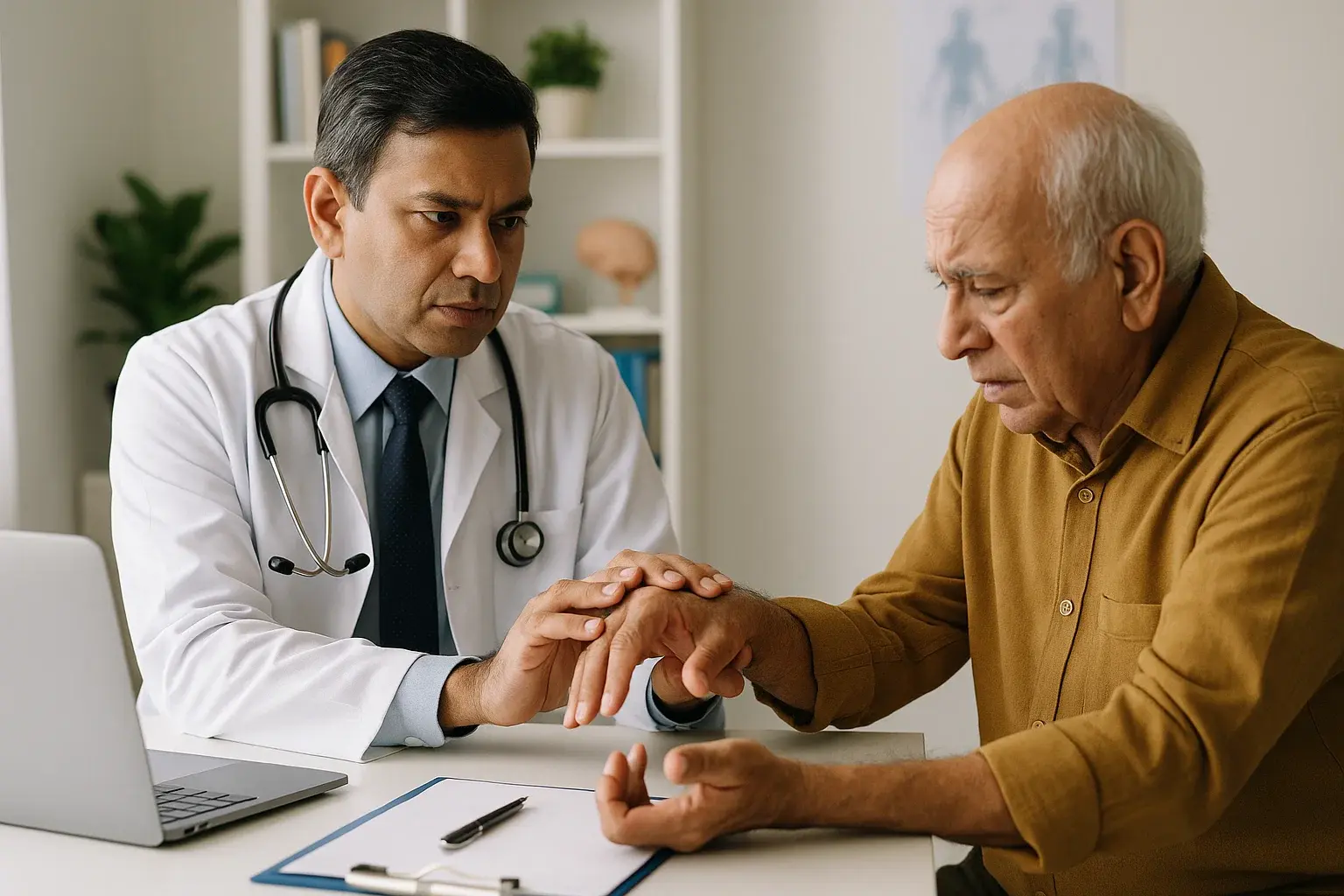
Parkinson's Disease Treatment in India offers advanced medical care, expert neurologists, and affordable solutions for patients battling this progressive neurological disorder. India has emerged as a global destination for Parkinson’s care, providing personalised treatment plans including medication, physiotherapy, and surgical options like Deep Brain Stimulation (DBS). With hospitals, advanced diagnostic tools, and holistic rehabilitation programs, patients receive comprehensive support at every stage.
Whether it’s early intervention or advanced symptom management, India’s healthcare system ensures compassionate care and global standards. International patients also benefit from medical tourism support, making treatment accessible, effective, and cost-efficient.
What is Parkinson’s disease?
Parkinson's disease is a chronic, progressive neurological disorder that affects movement and coordination. It is caused by the degeneration of dopamine-producing neurons in the brain, resulting in symptoms such as tremors, muscle rigidity, slow movements, and balance problems. Over time, it may also affect speech, facial expression, and cognitive function.
While there is no cure, early diagnosis and proper treatment can effectively manage symptoms. Parkinson's Disease Treatment in India includes a range of options—medications, physiotherapy, lifestyle adjustments, and advanced procedures like Deep Brain Stimulation—provided by expert neurologists in top hospitals across the country.
Parkinson's Disease Symptoms
Parkinson's disease symptoms develop gradually and may vary from person to person. In the early stages, signs are often subtle, such as slight hand tremors or stiffness. As the condition progresses, symptoms become more pronounced and affect mobility, coordination, and daily activities. Both motor and non-motor symptoms may occur, including emotional and cognitive changes.
Early diagnosis is crucial for effective management. With proper care and support, including Parkinson's Disease Treatment in India, many patients maintain independence and a good quality of life for several years.

Parkinson's Disease Symptoms
- Tremors – Usually starting in the hands or fingers, even at rest
- Muscle stiffness – Especially in the limbs and trunk
- Slowness of movement (bradykinesia) – Making simple tasks difficult and time-consuming
- Impaired posture and balance – Leading to falls or a stooped appearance
- Reduced facial expressions – Often called a “mask-like” face
- Changes in speech – Soft, slurred, or monotone speech
- Writing changes – Small or cramped handwriting (micrographia)
- Sleep disturbances – Insomnia or acting out dreams
- Fatigue and low energy levels
- Depression or anxiety – Due to chemical and lifestyle changes
- Cognitive decline – Memory issues or confusion in advanced stages.
Parkinson’s Disease Symptoms Stages
Parkinson’s disease progresses in five stages, each marked by increasing severity of symptoms. In Stage 1, symptoms like tremors and stiffness appear on one side of the body. Stage 2 brings bilateral symptoms and mild balance issues. In Stage 3, loss of balance and slower movements affect daily tasks.
Stage 4 involves severe disability, requiring assistance with most activities. By Stage 5, the patient may be bedridden or wheelchair-bound with significant cognitive and motor decline. Early diagnosis and timely Parkinson’s Disease Treatment in India can help slow progression and improve the patient’s quality of life.
Parkinson’s Disease Cause
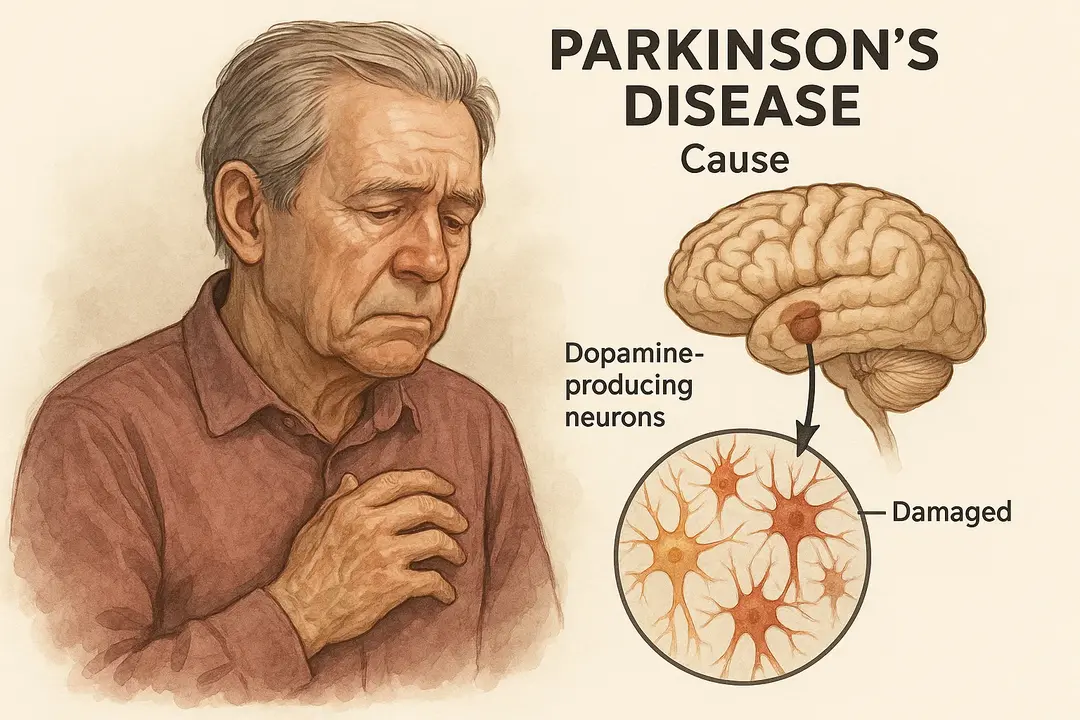
The exact cause of Parkinson's disease is not fully understood, but it is believed to result from a combination of genetic and environmental factors. The main feature is the degeneration of dopamine-producing neurons in a brain region called the substantia nigra, which affects movement control.
Certain gene mutations, exposure to toxins, and age-related changes in the brain are known contributors. While not everyone exposed to these risks develops the disease, identifying them helps in early detection and effective Parkinson's Disease Treatment in India for long-term management.
Parkinson’s Disease Cause
- Loss of dopamine-producing neurons in the substantia nigra
- Genetic mutations (e.g., LRRK2, PARK7, SNCA) linked to familial cases
- Ageing – Risk increases significantly after age 60
- Environmental toxins – Pesticides, herbicides, and heavy metals
- Head trauma – Repeated injuries may increase risk
- Oxidative stress – Damage to cells due to free radicals
- Mitochondrial dysfunction – Impairs energy production in brain cells
- Inflammation in the brain may accelerate neuronal loss
- Gender – Males are slightly more at risk than females
- Rural living – Linked to pesticide exposure in some studies
- Certain medications or substances may mimic or trigger symptoms.
Parkinson’s Disease Treatment: What are the Possible Treatments of Parkinson’s Disease?
Parkinson's Disease Treatment in India includes a combination of medications, surgical options like Deep Brain Stimulation, and supportive therapies such as physiotherapy, occupational therapy, and speech therapy. Timely intervention can significantly improve mobility, reduce symptoms, and enhance quality of life.
5 signs you'll get Parkinson's
Early signs of Parkinson’s disease are often subtle and may appear years before a diagnosis. Recognising these symptoms early can lead to timely intervention and better outcomes. While not always conclusive, these warning signs should prompt medical evaluation, especially if more than one is present.
- Tremors at rest – Slight shaking in hands or fingers
- Small handwriting (Micrographia) – Letters become tiny and cramped
- Loss of smell – A reduced sense of smell without sinus issues
- Stiffness or slow movement – Feeling rigid or taking longer to move
- Facial masking – Reduced facial expressions or blinking
What is the life expectancy of a person with Parkinson's disease?
The life expectancy of a person with Parkinson’s disease is only slightly lower than average, especially with early diagnosis and proper care. Many individuals live 15 to 20 years or more after diagnosis. While Parkinson’s itself is not usually fatal, complications such as falls, pneumonia, or swallowing difficulties can impact longevity in advanced stages.
With advances in medication, Parkinson's Disease Treatment in India now offers long-term symptom control and improved quality of life. Factors like age at onset, general health, and response to treatment greatly influence survival. Regular monitoring and supportive care can help patients live active, fulfilling lives for many years.
Hospital For Parkinson’s Disease Treatment
Parkinson’s Disease Treatment in India is available at world-class hospitals equipped with advanced neurology departments, cutting-edge surgical technologies, and comprehensive rehabilitation programs. These hospitals provide personalised care, including medication management, Deep Brain Stimulation (DBS), physiotherapy, and cognitive support.
With highly experienced neurologists and neurosurgeons, patients receive holistic, long-term care focused on improving motor function and quality of life. Many of these centres also cater to international patients with full medical tourism support. Below is a list of some of the most trusted hospitals in India for expert Parkinson’s care and advanced treatment options.
|
Hospital Name |
City |
|
All India Institute of Medical Sciences (AIIMS) |
New Delhi |
|
NIMHANS |
Bangalore |
|
Fortis Memorial Research Institute |
Gurugram |
|
Kokilaben Dhirubhai Ambani Hospital |
Mumbai |
|
Medanta – The Medicity |
Gurugram |
|
Apollo Hospitals |
Chennai |
|
Jaslok Hospital |
Mumbai |
|
Max Super Speciality Hospital |
New Delhi |
|
Narayana Health |
Bangalore |
|
Artemis Hospital |
Gurugram |
|
Manipal Hospital |
Bangalore |
|
PGIMER |
Chandigarh |
|
Global Hospitals |
Hyderabad |
|
Care Hospitals |
Hyderabad |
|
Sir Ganga Ram Hospital |
New Delhi |
Cost of Parkinson’s Treatment
The cost of Parkinson’s Disease Treatment in India varies based on the stage of the condition, type of therapy, and hospital chosen. Medication-based management is the most common and affordable option. For advanced cases, Deep Brain Stimulation (DBS) surgery is effective but more expensive.
Rehabilitation services like physiotherapy, speech therapy, and occupational therapy add to the long-term cost but are essential for quality of life. India offers these treatments at significantly lower prices compared to Western countries, without compromising on quality. Below is a table showing the estimated costs of various treatment components.
|
Treatment Type |
Estimated Cost (INR) |
Estimated Cost (USD) |
|
Initial Neurology Consultation |
₹1,000 – ₹2,000 |
$12 – $24 |
|
Monthly Medication (Early Stage) |
₹2,000 – ₹5,000/month |
$24 – $60 |
|
Physiotherapy (per session) |
₹500 – ₹1,000 |
$6 – $12 |
|
Speech/Occupational Therapy (per session) |
₹500 – ₹1,500 |
$6 – $18 |
|
MRI/Brain Imaging |
₹4,000 – ₹8,000 |
$48 – $96 |
|
Deep Brain Stimulation (DBS) Surgery |
₹8,00,000 – ₹12,00,000 |
$9,600 – $14,400 |
|
Hospital Stay (DBS, 4–5 days) |
₹40,000 – ₹70,000 |
$480 – $840 |
We Care Health Services for Parkinson’s Disease Treatment
We Care Health Services stands out as a top choice for Parkinson’s Disease Treatment in India. They pair international patients and locals with renowned neurologists, neurosurgeons, and specialised physiotherapists at accredited hospitals. Highlighting personalised care, transparent pricing, and full-spectrum services—from initial consultation and DBS surgery coordination to rehabilitation and follow-up—their approach ensures clarity and confidence.
With dedicated assistance for medical visas, accommodation, and 24/7 care coordination, We Care Health Services offers a seamless, patient-centred experience that prioritises well-being and successful recovery.
- Expert connections with India’s best neurology centres and movement disorder specialists
- Individualised treatment plans covering medications, DBS, rehab therapy, and long-term care
- Support for medical visa processing, airport transfers, and comfortable lodging
- Transparent cost estimates with no hidden fees or surprises
- 24/7 multilingual patient coordination and care management
- Scheduling assistance for tests, surgery, and follow-up appointments
- Coordination with physiotherapists, occupational and speech therapists post-discharge
- Ongoing monitoring and support, even after you return home
- Positive patient feedback and outcomes, with strong clinical and emotional support.