
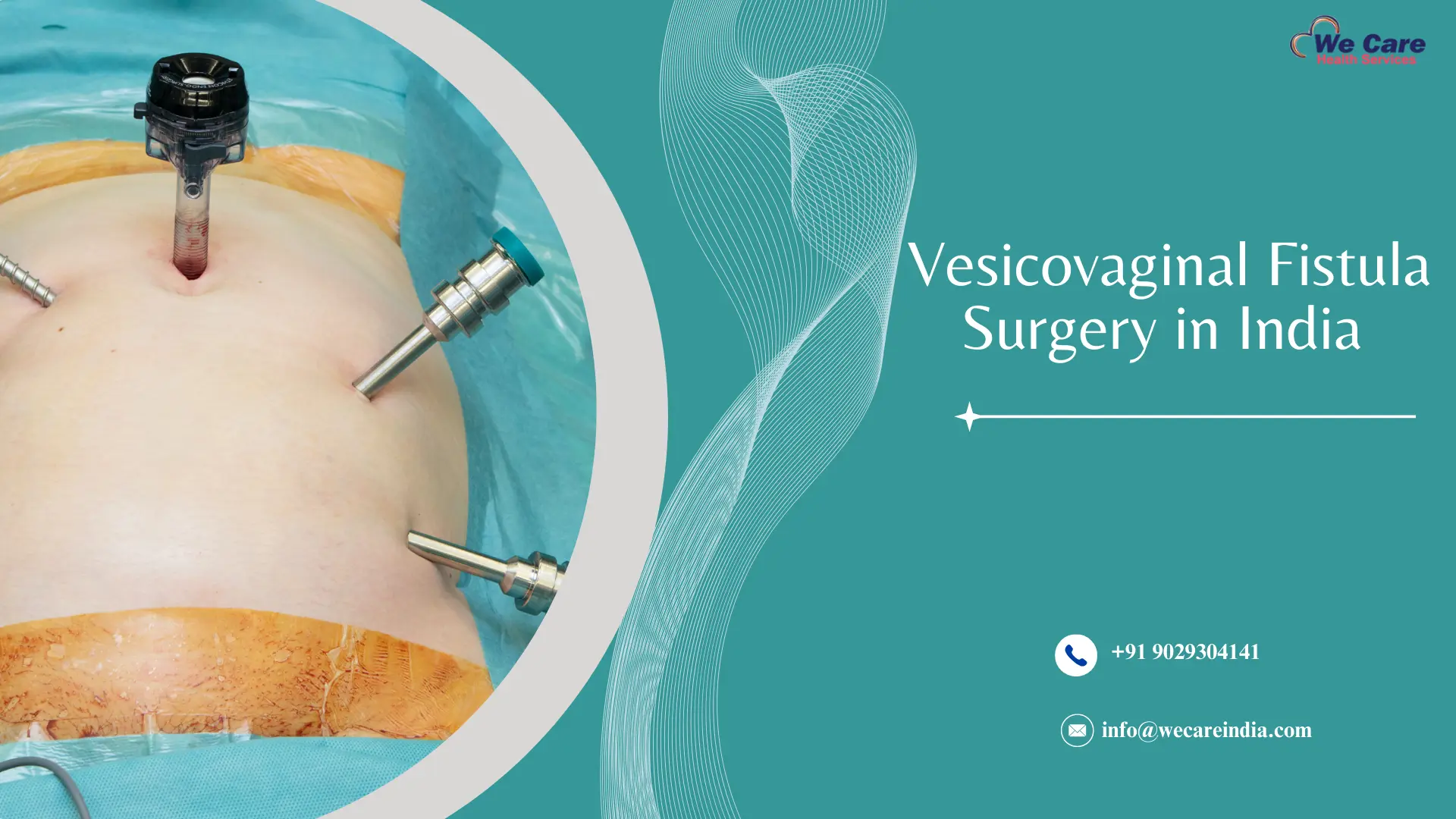
Vesicovaginal fistula surgery in India is highly possible with the advanced techniques and caused by prolonged labour pain at the time of delivery. In India, however, significant strides are being made in the treatment of VVF, particularly through surgical intervention. Vesicovaginal fistula surgery in India has become increasingly accessible, with both public and private healthcare institutions offering specialised care. India has also developed a strong reputation for providing high-quality, affordable medical care for VVF, drawing patients from across the globe.
The success rates for VVF surgeries in India are among the highest worldwide, with advanced techniques and skilled surgeons at the forefront of recovery. The impact of VVF on a woman’s physical, emotional, and social well-being can be profound. Aside from the obvious discomfort and hygiene challenges, the stigma and social isolation that accompany the condition can lead to psychological distress. Unfortunately, many women suffering from VVF have limited access to adequate treatment, leading to a delay in seeking the necessary medical care.
What is Vesicovaginal fistula?
Vesicovaginal fistula (VVF) is a serious medical condition where an abnormal passage forms between the bladder and the vagina. This results in the involuntary leakage of urine through the vagina, causing a range of physical, emotional, and social challenges for affected individuals. The condition is often a result of prolonged or obstructed labour but can also develop due to surgical complications, trauma, or radiation treatment for pelvic cancers.
In women who experience prolonged labor, especially in areas with limited access to medical care, the pressure from the baby’s head against the birth canal can cause damage to the tissues, leading to the formation of a fistula between the bladder and vagina. This can result in chronic urinary incontinence, a significant problem that not only causes discomfort but also leads to a loss of dignity and social stigma.
Causes of Vesicovaginal Fistula: Symptoms of VVF
Vesicovaginal fistula (VVF) is a condition where an abnormal passage forms between the bladder and the vagina, resulting in the constant leakage of urine. The main cause of VVF is prolonged or obstructed labour, particularly in areas with limited access to medical care. When labor is extended, the baby’s head can exert pressure on the vaginal and bladder walls, causing tissue damage. Here are the main points that cause VVF in women:
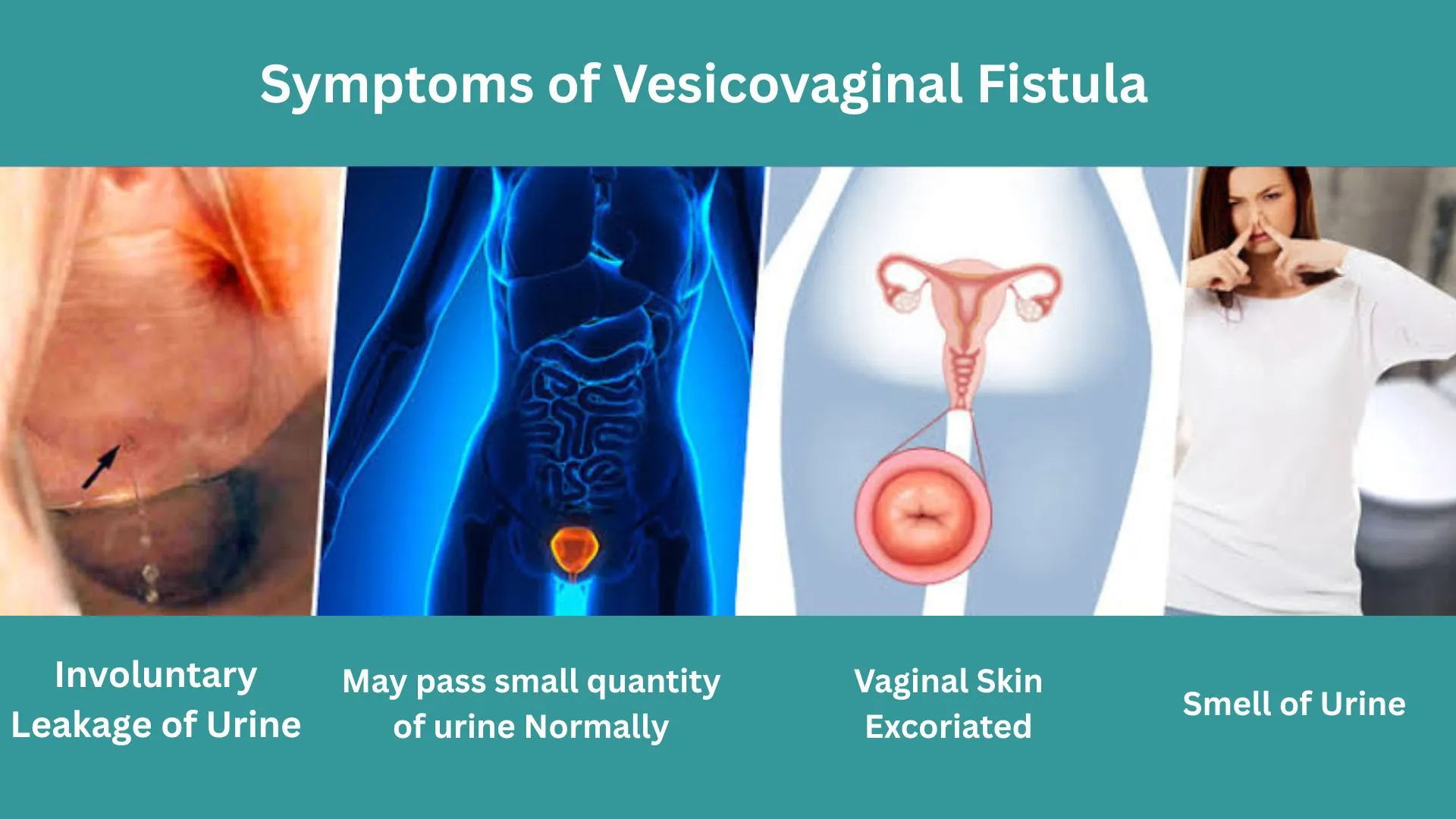
Symptoms of Vesicovaginal Fistula
- Surgical complications, such as during cesarean sections or pelvic surgeries, can also lead to the formation of a fistula if the bladder or vaginal wall is accidentally injured.
- Other causes include pelvic trauma due to accidents or injuries.
- Infections that weaken the tissue and radiation therapy are used in the treatment of pelvic cancers like cervical cancer.
- Chronic conditions such as tuberculosis or cancer can further increase the risk.
Symptoms of VVF
The symptoms of VVF are most apparent through urinary incontinence; women affected by the condition experience constant leakage of urine from the vagina. This can lead to significant hygiene challenges, emotional distress, and social stigma. Women may also suffer from chronic urinary tract infections due to the constant flow of urine. In severe cases, the leakage may be continuous, leading to embarrassment and isolation.
In India, Vesicovaginal Fistula Surgery is increasingly available to help women affected by this debilitating condition. Advanced surgical techniques have led to high success rates, offering women the chance to regain normal bladder function and improve their quality of life.
Vesicovaginal Fistula Treatment: Procedure and Post-Surgical Care
The primary treatment for vesicovaginal fistula (VVF) is surgical repair of the vaginal and urinary walls. The abnormal connection between the bladder and vagina is closed to restore normal urinary function. The approach to treatment depends on the size, location, and cause of the fistula, as well as the patient’s overall health.
In Vesicovaginal fistula surgery in India, two common surgical techniques are employed: transvaginal repair and transabdominal repair. Transvaginal repair is a minimally invasive method, preferred for small to moderate-sized fistulas and allows for quicker recovery. For more complex or larger fistulas, a transabdominal approach—either open or laparoscopic—is performed to ensure a strong, tension-free closure.
- The transvaginal route is commonly preferred for small to moderate-sized fistulas.
- For larger, complex cases, a transabdominal (open or laparoscopic) approach is selected.
- The surgeon carefully exposes the fistula site by dissecting the surrounding tissues, ensuring that the bladder and vaginal walls are visible and separated
- The fistula tract is precisely excised to remove the damaged tissue and ensure clean margins for suturing.
- The bladder is sutured in two layers using absorbable stitches, ensuring a watertight seal to prevent recurrence.
- The vaginal wall is then sutured separately to restore anatomical integrity and prevent overlap of suture lines.
- In complex cases, a Martius flap or omentum graft is placed between the bladder and vagina to strengthen healing and reduce recurrence.
- A Foley catheter is inserted for continuous bladder drainage, typically left in place for 10 to 14 days.
Vesicovaginal Fistula Surgery Cost in India: Private Fistula Surgery Cost
It is also called private fistula surgery, referring to its location in the vaginal area. The cost involves basic pricing of the hospital stay during surgery. Medical pills during the treatment and essential care during the procedure of surgery. The cost ranges from INR 45,000 to 1,50,000, depending on the procedure involved and the health of the patient.
|
Type of Procedure |
Estimated Cost (INR) |
Estimated Cost (USD) |
|
Transvaginal Repair (Simple VVF) |
₹40,000 – ₹80,000 |
$480 – $960 |
|
Transabdominal Open Repair |
₹70,000 – ₹1,50,000 |
$840 – $1,800 |
|
Laparoscopic VVF Repair |
₹1,00,000 – ₹2,00,000 |
$1,200 – $2,400 |
|
Robot-Assisted VVF Repair |
₹2,50,000 – ₹4,50,000 |
$3,000 – $5,400 |
|
Tissue Interposition Flap (e.g., Martius) |
₹20,000 – ₹40,000 (add-on) |
$240 – $480 (add-on) |
|
Cystoscopy & Diagnostic Procedures |
₹8,000 – ₹15,000 |
$95 – $180 |
|
Post-op catheterisation and ICU stay |
₹10,000 – ₹25,000 |
$120 – $300 |
Best Hospitals For Vesicovaginal Surgery: Top Hospitals for VVF Surgery
As vesicovaginal fistula is basic surgery, it allows a variety of hospitals to perform the procedure in many different ways. Because of less recovery time, minimally invasive procedures are preferred by patients and doctors. Laparoscopy procedure is also another option, for better success rate and no pain it is the priority of the patients. All kinds of surgery are performed in the mentioned hospitals.
|
Cities |
Hospital Name |
|
Bangalore |
Coulambia Asia Hospital |
|
Delhi |
Fortis Escorts Heart Institute |
|
Delhi |
Max Hospital |
|
Mumbai |
Kokilaben Dhirubhai Ambani Hospital |
|
Gurgaon |
Medanta Hospital |
|
Mumbai |
Apollo Hospital |
|
Delhi |
Medanta Medicity |
|
Delhi |
Apollo Hospital |
|
Delhi |
Jaslok Hospital |
|
Bangalore |
Narayana Health |
|
Bangalore |
Wockhardt Hospital |
|
Delhi |
Blk Super Speciality Hospital |
|
Mumbai |
Lilavati Hospital |
|
New Delhi |
Venkateshwar Hospital |
|
Bangalore |
Manipal Hospital |
|
Delhi |
CK Birla Hospital |
|
Chennai |
Global Hospital |
|
Delhi |
Indraprastha Apollo Hospital |
|
Gurgaon |
Paras Hospital |
|
Chennai |
Frontier Lifeline Hospital |
|
Delhi |
Metro Hospital |
|
Delhi |
PSRI Hospital |
|
Mumbai |
HCG Cancer Hospital |
|
Mumbai |
Gleneagles Global Hospital |
|
Gurgaon |
Artemis Hospital |
|
Hyderabad |
Krishna Institute of Medical Sciences |
|
Bangalore |
HCG Hospital |
|
Chennai |
MGM Healthcare |
|
Chennai |
Vijaya Hospital |
|
Chennai |
Billroth Hospital |
Words From We Care Health Services: Vesicovaginal Fistula Surgery in India
We Care Health Services is a clinic and hospital association giving access to the thousands of medical tourists in the various hospitals for different cities of India. They are not only limited to India; Various Asian Countries and European countries are working with them. There are many testimonials from the patient telling about the efforts of the team during their surgery procedure. If you are looking for vesicovaginal fistula surgery in India, you can contact them through their official website. The unique points about the team and their efforts in the clinic are:
- High success rate with testimonials presented on the website.
- 24*7 team support for any kind of guidance.
- Coordinated with doctors to guide patients about cost packages.
- Experienced doctors in various international centres.
- Both medical and psychological counselling are available at the clinic and hospitals.
- Services are available across various cities in India.
- High technical advancements in the hospitals for less pain and less recovery time.
- Free consultation with the experts for cost packages.
- They have a high success rate for heart surgeries, liver transplants and many others. They are using robotic-assisted techniques to fulfil the wishes of the patient for outpatient procedures.
- Best reviews on Google because preferred by the patients.
- Best diagnosis and treatment options based on the consultation with the doctors.
- If you are the one who wants to switch the treatment from other hospitals, then you are also welcome here.