
There are various methods for treating PCL reconstruction in India. Posterior Cruciate Ligament (PCL) reconstruction surgery is a specialised orthopaedic procedure aimed at restoring stability to the knee after a PCL tear or injury. In India, this surgery is performed using advanced arthroscopic techniques by experienced orthopaedic surgeons at leading multispecialty hospitals.
The country has become a popular destination for PCL reconstruction due to its world-class medical facilities, skilled doctors, and affordable treatment costs. With access to modern diagnostic tools, personalised rehabilitation programs, and comprehensive patient care, India offers excellent outcomes for both domestic and international patients seeking reliable PCL reconstruction surgery.
What is PCL Reconstruction?- Posterior Cruciate Ligament (PCL)
PCL (Posterior Cruciate Ligament) reconstruction is a surgical procedure used to repair or replace a torn or severely damaged PCL in the knee. The PCL is one of the key ligaments that stabilise the knee joint, especially in preventing the tibia (shinbone) from moving too far backwards. Injuries to the PCL often occur due to trauma, sports injuries, or accidents.
During reconstruction, the damaged ligament is replaced with a graft, typically taken from the patient’s own hamstring or donor tissue. The surgery is usually done arthroscopically, which means using small incisions and a camera for precise repair and faster recovery.
Symptoms of PCL Injury
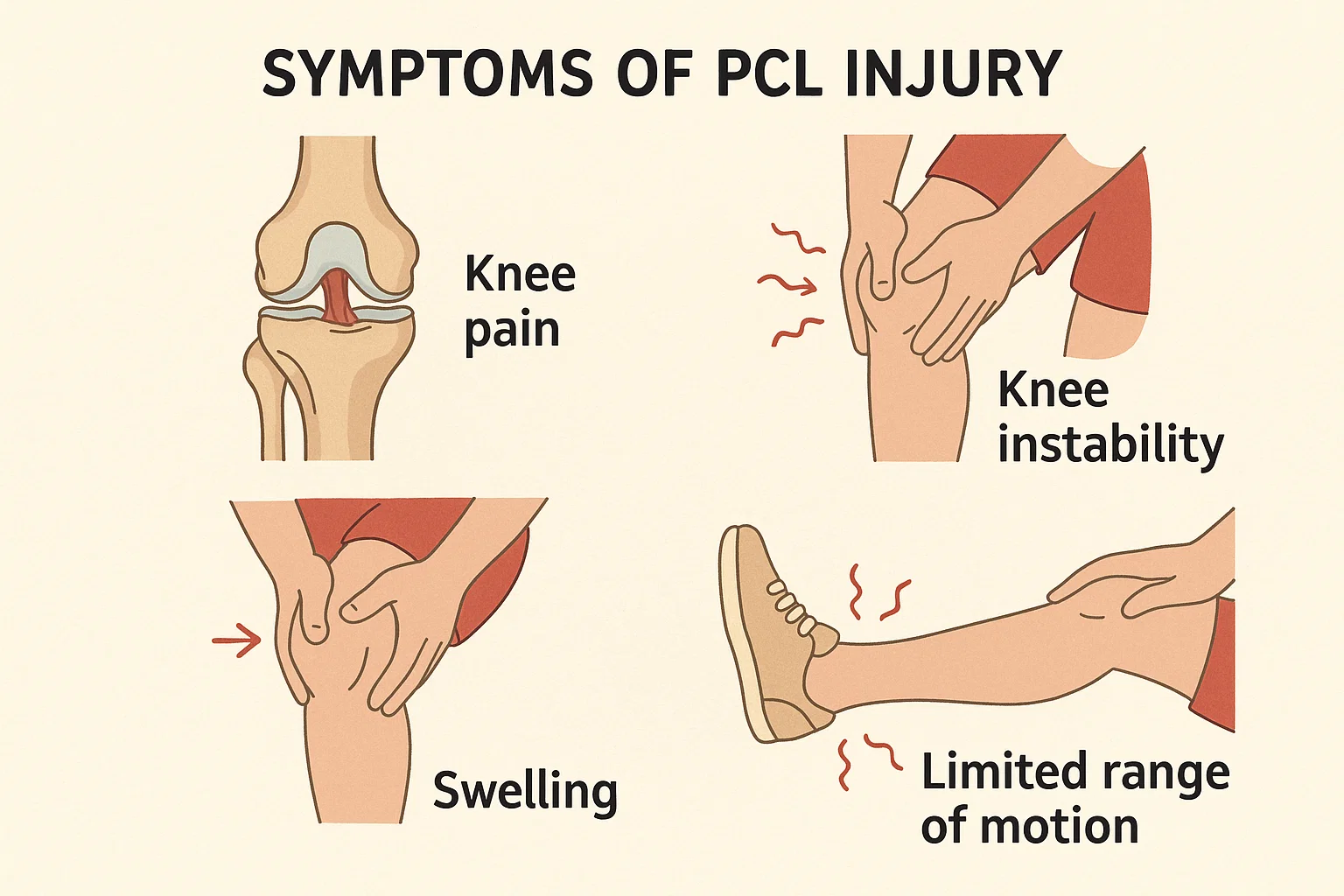
A PCL injury often causes symptoms like pain in the back of the knee, swelling, and difficulty walking or bearing weight. People may feel unstable, especially when walking downhill or downstairs. In some cases, a popping sound or feeling at the time of injury is also noted. The knee may appear bruised and feel stiff, limiting the range of motion.
Ignoring these symptoms can lead to long-term joint issues. For lasting relief and joint stability, many patients choose PCL reconstruction in India, where expert surgeons and advanced techniques offer effective treatment and affordable care, helping restore normal knee function and mobility. Here are some symptoms that indicate PCL injury.
Symptoms of PCL Injury
- Pain at the back of the knee
- Swelling and stiffness
- Difficulty walking or bearing weight
- Feeling of knee instability
- Popping sensation during injury
- Limited knee movement
- Bruising around the knee
PCL Repair Vs Reconstruction: Difference Between the Two Terms
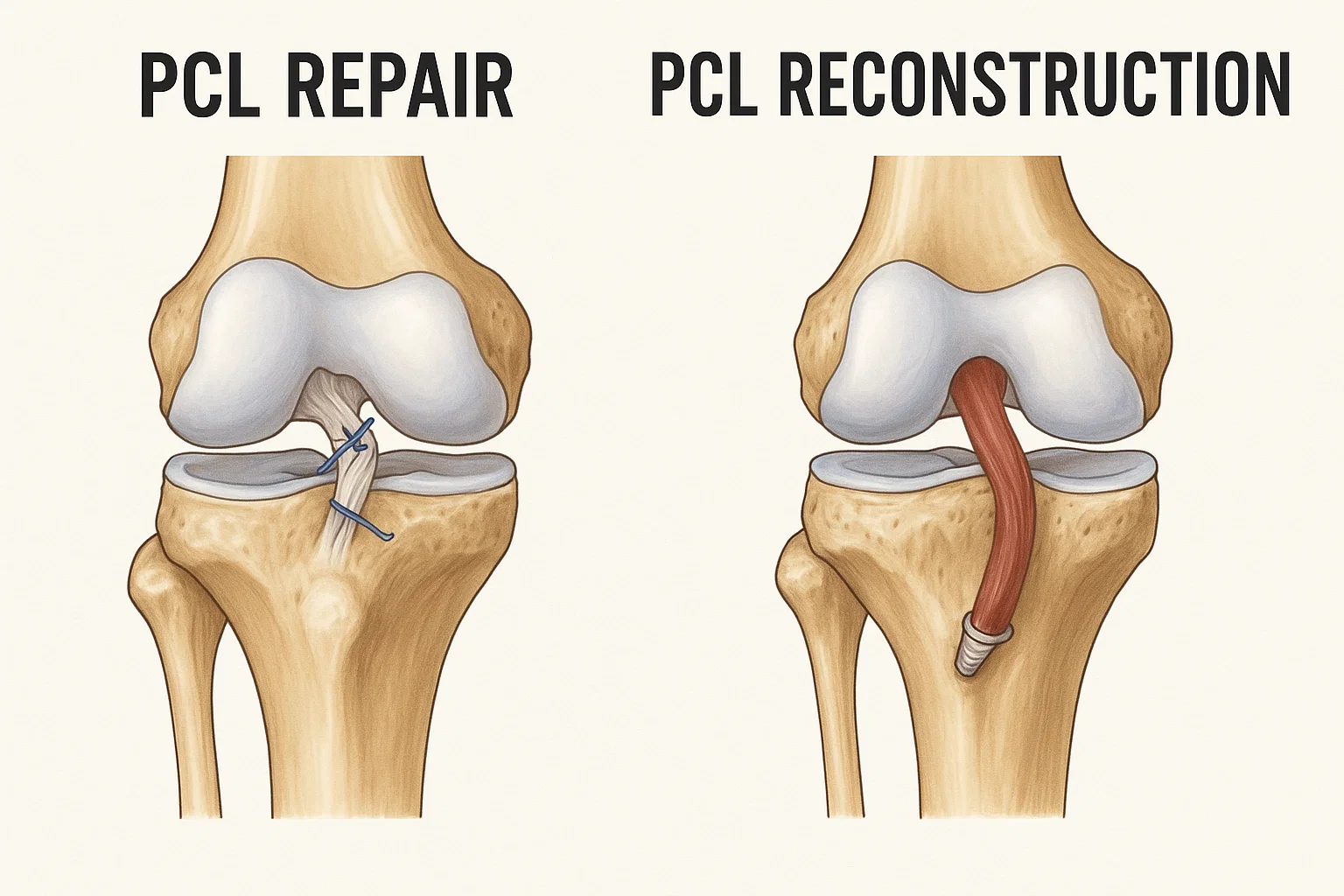
PCL repair involves stitching the torn ligament back together, usually done when the tear is small and the tissue is healthy. It helps preserve the original ligament but is only suitable in specific cases. On the other hand, PCL reconstruction replaces the damaged ligament with a graft taken from the patient or a donor. This method is preferred for larger or complete tears and provides better knee stability. Reconstruction generally takes longer to recover from, but has a higher success rate. In India, both procedures are performed by skilled orthopaedic surgeons depending on the injury type and patient needs.
PCL Repair Vs Reconstruction
|
Feature |
PCL Repair |
PCL Reconstruction |
|
Definition |
Sewing the torn ligament back |
Replacing the torn ligament with a graft |
|
When Used |
Small, clean tears |
Large or complete tears |
|
Procedure |
Reattaching the original ligament |
Using tissue graft from a patient or a donor |
|
Recovery Time |
Usually shorter |
Longer, about 6 months |
|
Success Rate |
Limited to certain cases |
More common and reliable |
|
Surgical Technique |
Open or arthroscopic |
Mainly arthroscopic |
|
Purpose |
Preserve the existing ligament |
Restore knee stability fully |
PCL Reconstruction Procedure: PCL Reconstruction in India
PCL reconstruction in India is a well-established surgery to fix a torn posterior cruciate ligament and bring back knee stability. The surgery is mostly done arthroscopically, which means the surgeon uses small cuts and a camera to see inside the knee. First, the damaged ligament is removed or cleaned up. Then, a graft—either from your hamstring or from a donor—is carefully placed to replace the torn ligament. The surgeon fixes the graft in place using screws or anchors. After the surgery, a rehab plan is essential to regain strength and movement.
- Initial examination and imaging to confirm tear details
- Arthroscopic surgery with small incisions
- Removal or trimming of damaged ligament tissue
- Harvesting or preparation of graft tissue
- Placement and fixation of the graft in the knee
- Checking stability and knee movement during surgery
- Closing incisions and applying a dressing
- Starting physical therapy after surgery for recovery
How is PCL Surgery Diagnosed?
Part of the diagnosis of a PCL tear is made by knowing how the injury happened. Knowing the story of the injury (for example, the position of the leg and the action taking place) will help in making the diagnosis. Specific manoeuvres can test the function of the PCL. The most reliable is the posterior drawer test. With the knee bent, your doctor will push the tibia backwards; this stresses the PCL. If the PCL is deficient or torn, the tibia will slide too far backwards, indicating an injury to the PCL.
X-rays and MRIs are also helpful in clarifying the diagnosis and detecting any other structures of the knee that may be injured. It is common to find other ligament injuries or cartilage damage when a PCL tear is found.
PCL tears are graded by the severity of injury, grade I through grade III. The grade is determined by the extent of laxity measured during your examination.
- Physical Examination: The doctor checks knee stability and movement, often performing special tests like the Posterior Drawer Test to assess PCL damage.
- X-rays: To rule out bone fractures and check the alignment of the knee joint.
- MRI Scan: This is the most important test, as it shows detailed images of the ligament, cartilage, and other soft tissues around the knee. It helps confirm the extent of the PCL tear.
- CT Scan (if needed): Sometimes used for a more detailed view of bones or to plan surgery.
- Blood Tests: To ensure you are fit for surgery and anaesthesia.
What is the treatment for a PCL?
Treatment of PCL tears is controversial, and, unlike treatment of an ACL tear, there is little agreement on how best to proceed. Initial treatment of the pain and swelling consists of the use of crutches, ice, and elevation. Once these symptoms have settled, physical therapy is beneficial to improve knee motion and strength. Nonoperative treatment is recommended for most grade I and grade II PCL tears.
Surgical reconstruction of the PCL is controversial, and usually only recommended for grade III PCL tears. Because of the technical difficulty of the surgery, some orthopaedic surgeons do not see the benefit of PCL reconstruction. Others, however, believe PCL reconstruction can lead to improved knee stability and lower the likelihood of problems down the road.
Surgical PCL reconstruction is difficult in part because of the position of the PCL in the knee. Trying to place a new PCL graft in this position is difficult, and over time, these grafts are notorious for stretching out and becoming less functional. Generally, surgical PCL reconstruction is reserved for patients who have injured several major knee ligaments or for those who cannot perform their usual activities because of persistent knee instability.
PCL Surgery Cost in India: How much does a PCL Cost?
The cost of PCL reconstruction surgery in India is relatively affordable compared to many Western countries. Depending on the hospital, city, surgeon’s experience, and the type of surgical technique used, the cost typically ranges from ₹1.5 lakh to ₹3.5 lakh. Factors like pre-operative tests, hospital stay, type of graft (autograft or allograft), and post-operative physiotherapy may influence the total expense. Cities like Delhi, Mumbai, Bangalore, and Hyderabad offer world-class orthopaedic care at competitive rates. Patients looking for budget-friendly options can also consider government or teaching hospitals where surgery may be available at subsidised rates.
|
Procedure Type |
Approximate Cost (INR) |
|
Arthroscopic PCL Reconstruction (Autograft) |
₹1,50,000 – ₹2,00,000 |
|
Arthroscopic PCL Reconstruction (Allograft) |
₹2,00,000 – ₹2,80,000 |
|
Combined ACL + PCL Reconstruction |
₹2,50,000 – ₹3,50,000 |
|
Revision PCL Surgery |
₹2,20,000 – ₹3,00,000 |
|
PCL Reconstruction at Government Hospitals |
₹70,000 – ₹1,20,000 |
|
Post-surgery Physiotherapy (per session) |
₹500 – ₹1,000 |
Factors Affecting PCL Reconstruction in India
The cost of PCL reconstruction surgery in India is influenced by several key factors. The type of hospital—whether it’s a government, private, or multi-speciality chain—plays a major role in price variation. A surgeon’s expertise and reputation can also increase the fee, especially if performed by a senior orthopaedic specialist. The surgical technique used—arthroscopic vs open surgery, and whether an autograft or allograft is chosen—impacts the overall cost.
- Type of Hospital: Government hospitals are more affordable; private or multi-speciality hospitals charge higher.
- Surgeon's Technique: Senior and highly skilled orthopaedic surgeons may charge a premium.
- Surgical Technique: Arthroscopic surgeries generally cost more than open procedures due to equipment and precision.
- Type of Graft Used:
Autograft (patient’s tissue) is relatively cheaper.
Allograft (donor tissue) increases the cost.
- Location of Hospital: Treatment in metro cities like Delhi, Mumbai, or Bangalore usually costs more than in smaller cities.
- Diagnostic Test: Pre-operative MRI, X-rays, and blood tests add to the total expense.
- Hospital Stay Duration: Longer stays increase room charges and nursing care costs.
- Anesthesia Charge: The type and duration of anaesthesia used during surgery impact pricing.
- Post-Surgery Physiotherapy: Essential for recovery; typically charged per session.
- Additional Procedures: If combined with ACL reconstruction or revision surgery, the cost rises significantly.
Best Hospital For PCL Reconstruction
Various hospitals are working in association with government policies. Many external facilities are also provided by the hospitals. Technical advancements, private labs, expert doctors in every department and well-coordinated staff are the qualities of the mentioned hospitals. With these qualities, they are giving the highest success rate in various surgeries and actively approaching patients for initial diagnosis.
Various hospitals have the best quality in providing ICU and emergency services for complicated cases. PCL reconstruction in India is best in private hospitals; AIIMS also has all kinds of facilities.
|
Hospital Name |
City |
|
AIIMS |
New Delhi |
|
Indian Spinal Injuries Centre |
New Delhi |
|
Medanta – The Medicity |
Gurugram |
|
Kokilaben Dhirubhai Ambani Hospital |
Mumbai |
|
Lilavati Hospital |
Mumbai |
|
Sancheti Hospital |
Pune |
|
Sir Ganga Ram Hospital |
New Delhi |
|
Fortis Hospital |
Mumbai/Bangalore |
|
Apollo Hospitals |
Chennai/Delhi/etc |
|
Christian Medical College (CMC) |
Vellore |
|
HOSMAT Hospital |
Bangalore |
|
Max Super Speciality Hospital |
Delhi/Mohali/etc |
|
Manipal Hospital |
Bangalore/Jaipur |
|
Narayana Health |
Bangalore |
|
Dr. Rela Institute & Medical Centre |
Chennai |
Posterior Cruciate Ligament (PCL) Reconstruction Surgery: All Data in India
Posterior Cruciate Ligament (PCL) reconstruction surgery is a procedure done to treat complete or chronic PCL tears in the knee. The PCL is a major stabilising ligament located deep within the knee joint, and its injury can severely impact your mobility. In India, this surgery is commonly done using minimally invasive arthroscopic techniques by orthopaedic surgeons, especially in metro cities where advanced sports injury treatment facilities are available.
People who suffer from a PCL injury often experience instability in the knee while walking, especially on slopes or uneven surfaces. Symptoms include pain behind the knee, stiffness, swelling, and a sensation that the knee is going to "give way." When left untreated, these symptoms can worsen over time and may lead to long-term joint degeneration. In such cases, PCL reconstruction in India is often the best course of action to restore joint function and support.
There’s often confusion between PCL repair and PCL reconstruction. Repair refers to stitching the torn ligament back if it’s a fresh, partial tear. However, in most cases, especially chronic or complete tears, reconstruction is advised. This involves replacing the torn ligament with a graft, which could be from the patient’s tissue (autograft) or a donor (allograft). Reconstruction has a higher success rate than repair and is widely practised in India due to better long-term outcomes.
During the procedure, small incisions are made around the knee joint, and an arthroscope (camera) is inserted to view the damage. The torn ligament is removed and replaced using a graft, which is secured with fixation devices like screws or buttons. The whole surgery takes 1–2 hours under general or spinal anaesthesia. Post-surgery, the patient stays in the hospital for 2 to 4 days, depending on the hospital and recovery speed.
The cost of PCL reconstruction in India varies depending on the city, hospital, and surgeon’s expertise. In Delhi NCR, Mumbai, Bangalore, Chennai, and Hyderabad, the cost typically ranges from ₹1,30,000 to ₹2,80,000. Super-speciality hospitals like Medanta, Apollo, Fortis, and Kokilaben are known for offering advanced orthopaedic surgeries with high success rates. Many hospitals now also provide cashless insurance facilities and EMI-based packages for convenience.
Is PCL surgery safe in India?
Success rates of PCL reconstruction in India are quite high, generally between 90% and 95%. With the help of modern techniques like arthroscopy and proper post-surgical physiotherapy, patients regain full mobility within 6 to 9 months. Compliance with rehabilitation plans plays a critical role in the outcome, especially in patients returning to sports or physically demanding work.
Before undergoing surgery, patients need to go through a detailed diagnostic process. MRI scans help confirm the extent of the ligament damage, while X-rays rule out associated bone injuries. Blood tests, ECG, and physical tests like the posterior drawer or dial test are also performed to ensure fitness for surgery and anaesthesia.
PCL Reconstruction in India By We Care Health Services
When it comes to choosing the right place for PCL reconstruction in India, We Care Health Services stands out as a trusted name offering advanced orthopaedic care. Known for its network of top-tier hospitals and experienced orthopaedic surgeons, We Care ensures that patients receive world-class treatment at affordable prices. The organisation provides complete support, from medical consultations and hospital selection to travel, stay, and post-surgical rehabilitation, making it an ideal choice for both domestic and international patients.
- Trusted Medical Network: We Care is connected with some of India’s most reputable orthopaedic hospitals and joint specialists, ensuring top-quality care and safety throughout the procedure.
- Experienced Surgeons: Patients are referred only to board-certified, fellowship-trained orthopaedic surgeons who specialise in arthroscopic ligament reconstruction.
- Complete Patient Assistance: From pre-surgery consultation to travel, accommodation, hospital admission, and post-surgery care, everything is handled under one reliable support system.
- Affordable Packages: Compared to direct hospital bookings, We Care offers cost-effective packages for PCL reconstruction, often with special rates for surgery, stay, and follow-up.
- Modern Surgical Techniques: Through their partner hospitals, patients receive access to advanced arthroscopy, minimally invasive techniques, and fast-track recovery protocols.
- Personalised Rehabilitation Planning: We Care coordinates with physiotherapists to ensure that every patient receives a customised rehabilitation schedule post-surgery.
- Transparency & Documentation: Clear cost estimates, procedure details, and treatment timelines are provided upfront — no hidden charges or confusion.
- Support for International Patients: The platform is especially beneficial for patients travelling from outside India, offering visa assistance, translation support, and dedicated coordinators.
- High Success Rate: Patient outcomes remain consistently positive, with high recovery rates and low complication levels when surgeries are conducted through their expert panel.
- Reputation & Reviews: Over the years, We Care Health Services has earned trust for professionalism, ethical practices, and patient satisfaction in orthopaedic and sports medicine care.
What is the fastest way to heal a PCL?
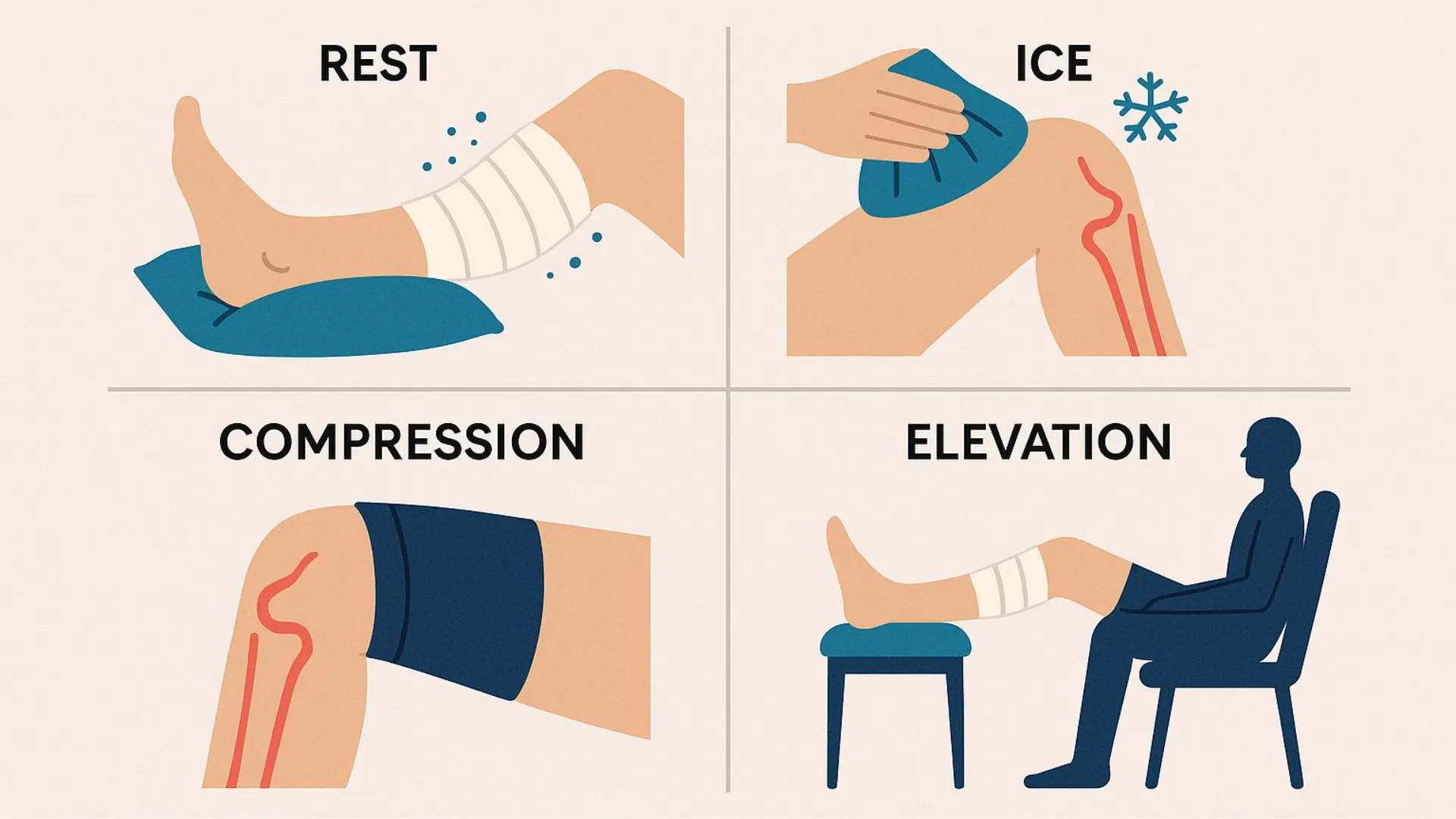
The fastest way to heal a PCL injury depends on the severity of the tear. For mild or partial PCL injuries, early rest, icing, compression, and elevation (RICE) can reduce pain and swelling. Wearing a knee brace and avoiding weight-bearing activities allow the ligament to heal naturally. Physiotherapy plays a key role—focusing on strengthening the quadriceps, improving flexibility, and regaining knee stability without straining the ligament.
What is the fastest way to heal a PCL
In the case of complete PCL tears, surgical reconstruction is often necessary. After surgery, following a strict rehabilitation program is crucial. The fastest recovery comes with consistent physiotherapy, proper use of assistive devices, healthy nutrition, and avoiding high-impact activities until cleared by a doctor. Maintaining good sleep and hydration also supports tissue healing. Patients must follow the orthopedic surgeon’s instructions closely, including wearing braces, attending follow-up appointments, and taking prescribed medications, to ensure fast and effective recovery without setbacks or complications.