
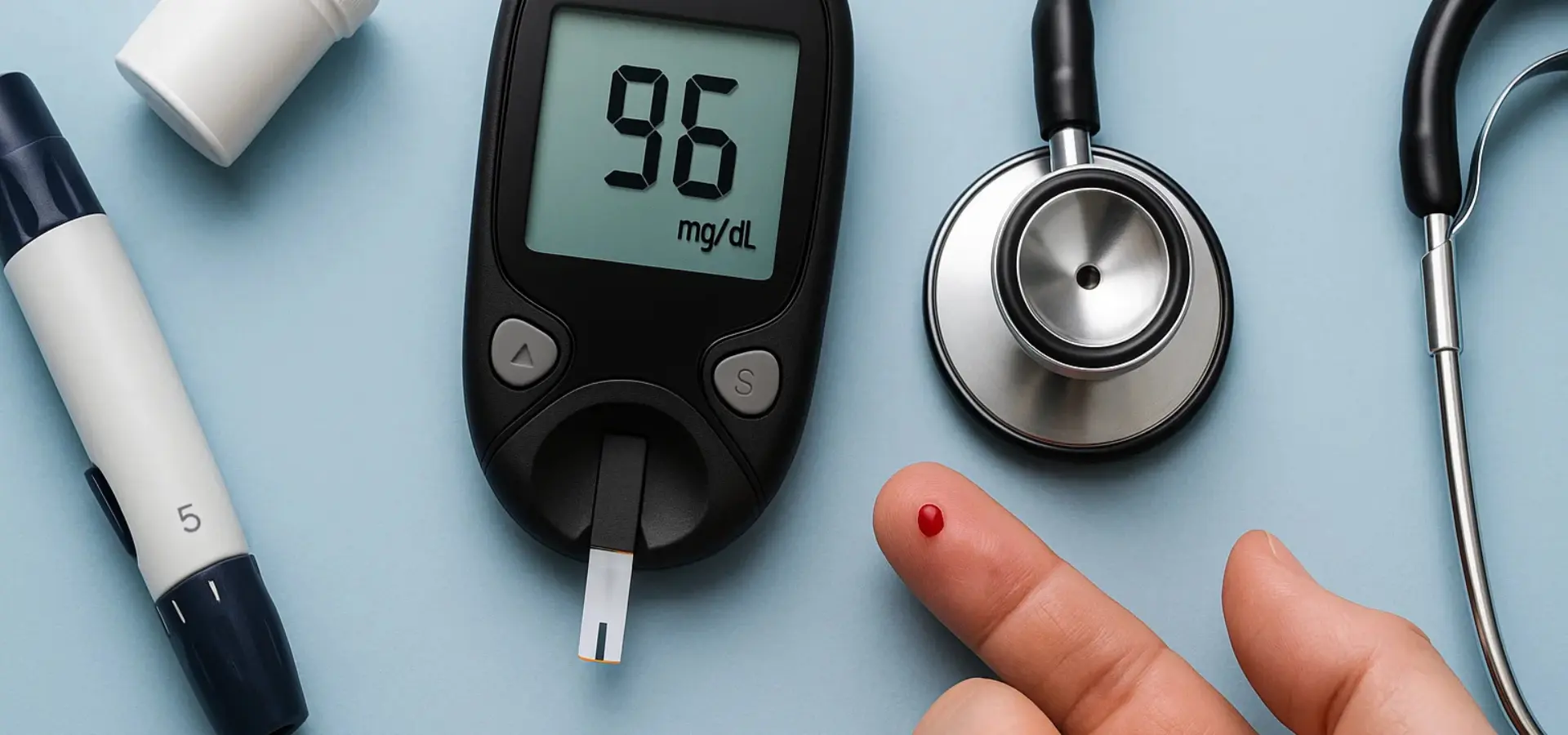
In recent years, diabetes has emerged as one of the top health issues in India due to the growth of the country's population and the shift towards urban living. As such, diabetes represents one of the heaviest loads for the people of India. The purpose of this article is to provide an overview of the current status of diabetology in India about Diabetes Management (how to treat diabetes) and Health Care Infrastructure (the system that supports managing diabetes), also it will review Lifestyle Management (how to stay healthy while living with diabetes), and will provide information on Research Developments (how we learn) and Support for Patients (how we help).
Prevalence of Diabetes in India
There are multiple reasons for diabetes in India, and 77 million people in India are affected by this disease; these data are increasing over time. Most of the time, Type II diabetes is noticed in people of India, which means diabetes from the imbalance of the insulin level in the body. There are different types of reasons, like lifestyles, not exercising, and obesity can cause Type II diabetes.
Children in the adolescent stage are most of the time diagnosed with Type I diabetes, and pregnant women also have gestational diabetes, which is also type 2 diabetes. With diabetes now so prevalent in India, there is an urgent demand for specialised diabetes care in both metropolitan and semi-urban areas.
Types of Diabetes and Their Management
There are three classical types of diabetes: type 1, type 2, and type 3 diabetes. They are all measured with some checks on the basis of insulin levels or imbalance in the body.
All three forms of diabetes have essentially the same focus: to maintain a healthy and stable blood glucose level by establishing individualised methods of managing your diabetes and monitoring your blood glucose daily through exercise, making mindful choices, and routine blood glucose monitoring. Once a person begins to follow their treatment plan consistently, they can live their lives as healthy and active individuals without major limitations.
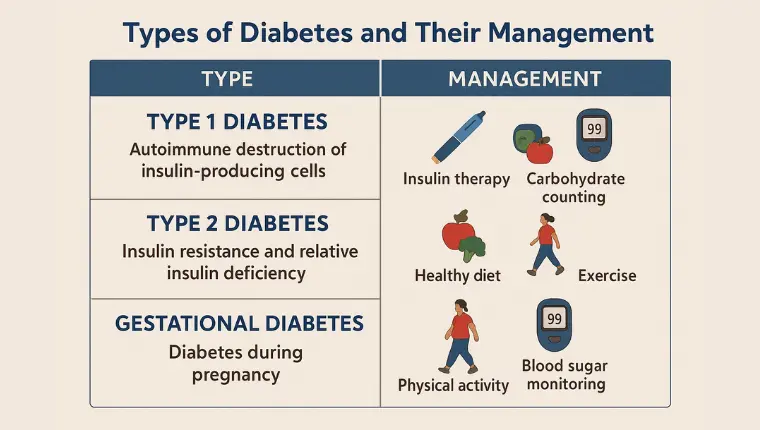
Types of Diabetes and Their Management
Diabetes Healthcare Infrastructure in India
Over the last ten years, there has been a substantial amount of growth in medication management and diabetes care in India. This is evident by the expanding availability of diabetes services in both urban settings and rural environments.
The number of major hospitals with their dedicated diabetes departments, including services from Endocrinologists (physicians specializing in endocrine glands), Nutritionists (registered dieticians), CDE's (certified diabetes educators) and other health care professionals working together in one location has increased significantly, creating a more rapid diagnosis, follow-up coordination and improved long term diabetes management for patients due to team-based medicine delivery.
Efforts of Indian Hospitals
Many of the District Hospitals and Government (State and Central) Diabetes Treatment Centres have increased their availability of screening clinics, primarily for the Screen Diagnostics Program for people with Type 2 diabetes, since providing early diagnosis is an important factor in reducing long-term health complications due to diabetes. As an example, private hospitals have provided more innovative technology options (such as continuous glucose monitors, insulin pumps, and specialty-foot clinics), and there are well-established networks of pharmacies and laboratories located throughout India that allow easy access to medication and testing.
Medicines and Maintaining Glucose Levels
The introduction of telemedicine as an additional option for diabetes management enables patients to maintain regular contact with their healthcare team. Through telemedicine, patients are able to manage their diabetes more efficiently by receiving regular consultations and/or digital monitoring of their glucose levels.
In summary, there will be continued advancements in the overall infrastructure of India towards providing better organized Diabetes Care with a more patient-friendly approach.
Diabetology Specialists and Expertise
The diabetes specialists in India are a great combination of extensive clinical and practical knowledge and experience. Most diabetes specialists in India have been trained to combine treatment for diabetes with heart, kidney, and nerve-related problems. Diabetes specialists focus on diagnosing individuals accurately and developing individualised medication regimens and lifestyles based on a person's daily life. Here is the list of the doctors:
|
Doctor |
Hospital / Centre / Institution |
|
Ambrish Mithal |
Max Super Speciality Hospital, Saket — Chairman & Head, Endocrinology & Diabetes |
|
Nikhil Tandon |
All India Institute of Medical Sciences (AIIMS), New Delhi — Head, Endocrinology, Metabolism & Diabetes Department |
|
Vijay Viswanathan |
M.V. Hospital for Diabetes (Prof. M. Viswanathan Diabetes Research Centre) — Chief Diabetologist and Head |
|
Anil Bhansali |
Postgraduate Institute of Medical Education and Research (PGIMER), Chandigarh — Former Head, Dept. of Endocrinology & Diabetes Clinic |
|
V. Mohan |
Dr. Mohan's Diabetes Specialities Centre, Chennai — Chairman & Chief Diabetologist |
|
Shashank R. Joshi |
Lilavati Hospital and Research Centre — Consultant Endocrinologist/Diabetologist |
|
Dinesh V. Kamath |
Apollo Hospitals, Sheshadripuram — Consultant Physician & Diabetologist |
|
Mallikarjun Rao |
Listed among top diabetes specialists — specific hospital affiliation not clearly publicized. |
|
MK Mukhopadhyay |
Listed among the top Indian diabetes specialists — hospital affiliation not clearly available publicly. |
|
Sujit Bhattacharya |
Mentioned in national listings among diabetes specialists — exact institution not clearly listed publicly. |
Many diabetes specialists use modern devices such as continuous glucose monitors (CGMs) and insulin pumps to help fine-tune insulin treatment. The diabetes specialists are also experienced in helping prevent complications related to diabetes through long-term follow-up and regular screening of individuals. Through this integrated approach, the diabetes specialist can help their patients maintain stable and controlled blood glucose levels, as well as live happy and comfortable lives with reduced risk for developing complications.
Diagnostic and Monitoring Services With Symptoms of Diabetes
With the rise of more organized diagnostic and monitoring services for diabetes in India, it is now easier for individuals diagnosed with diabetes to manage their disease early on. Today, all clinics provide routine blood tests - including pre-meal, post-meal, and HbA1C - which provide information about how well an individual has maintained proper glucose control over the previous two to three months.
Technical increase in the clinics also leads to the real-time data collection about the patients and continuous glucose monitoring (CGM) during the treatment. When patients come with insulin shock all they can be monitored properly.
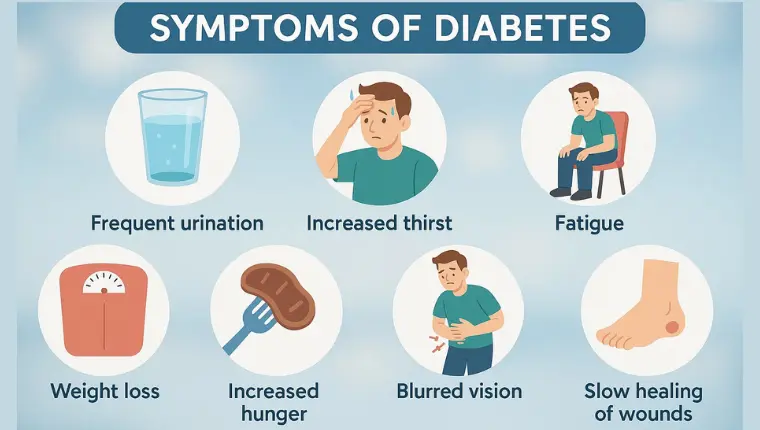
Symptoms of Diabetes
Symptoms of Diabetes: Diabetology Overview in India
There are different symptoms the type 1 and type 2 diabetes. One is related to the glucose deficiency, and one is related deficiency in the actual. We are making it very similar for you, and here are some of the main symptoms of diabetes:
- Unusual thirst that stays all day
- Frequent urination, even at night
- Unusual thirst that stays all day
- Blurry vision or slow-healing wounds
- Constant tiredness or weakness
- Sudden weight loss without trying
- Tingling or numbness in hands or feet
- Increased hunger shortly after eating
- Recurring skin or fungal infections
Treatment Options in India: Diabetes Treatment in India
Diabetes care is increasingly being provided on an individual basis across India and is delivered to reflect how patients are impacted by their diabetes at different stages. All diabetes treatment begins with diet, physical activity, and weight loss (particularly with type 2 patients). When sugar levels do not respond to lifestyle changes alone, doctors typically add an oral medication, which is available in all government and private facilities throughout India.
For those requiring better control of sugars, insulin can be provided as a needle-based injection, in combination with a pump device, or in newer formulations with longer-acting duration. This comprehensive team approach helps to improve the care of patients over a long-term period.
Many facilities also have foot care, eye exams, and kidney monitoring as part of every patient's diabetes treatment. As a result, the majority of patients in India can easily manage their diabetes and maintain a healthy lifestyle. Here is a little description of the diabetes treatment:
Cost of Diabetes Treatment in India
In India, diabetes treatment costs differ according to care tier and medication selection, and whether patients access care through the public or private healthcare systems. Basic consultations and standard blood tests are available at relatively low rates in the majority of urban India, whereas advanced devices, such as continuous glucose monitoring systems and insulin pumps, may cost significantly more.
|
Treatment / Service |
Approximate Cost (INR) |
|
Consultation with Diabetologist |
500 to 1500 |
|
Fasting & Post-Meal Sugar Test |
150 to 300 |
|
HbA1c Test |
500 to 900 |
|
Oral Diabetes Medication (monthly) |
400 to 1500 |
|
Insulin (monthly) |
1000 to 3000 |
|
Continuous Glucose Monitor (CGM) |
3500 to 6500 |
|
Insulin Pump (device only) |
20,000 to 60,000 |
|
Annual Diabetes Screening Package |
2500 to 6000 |
Average monthly patient costs under oral diabetes medications tend to be reasonable; monthly costs for patients with diabetes requiring regular dosing of insulin or frequent visits to an endocrinologist can be expected to be somewhat elevated. Despite the range in prices for different types of care and products, diabetes patients in India currently enjoy the most competitive pricing on diabetes management compared to patients in the rest of Asia, especially when patients adhere closely to established monitoring and personalised diabetic treatment protocols.
Preventive Care and Awareness Programs: Cause of Diabetes
It is essential to provide information and awareness on preventive health care to mitigate the increasing rates of diabetes throughout the country (India). Most of these organisations are primarily focused on detecting diabetes early, as symptoms develop slowly over time, and that is why the majority of people are not aware when they have elevated blood sugar. Community Health Camps, Workplace Screening Programmes, and School-based education campaigns help individuals understand their risk of developing diabetes at an earlier stage. This is primarily accomplished through providing simple blood tests, advice on nutrition, and counsel regarding daily behaviours associated with a long-term healthy lifestyle.
Public hospitals and non-governmental organisations (NGOs) are conducting awareness weeks, where health care professionals (typically in the form of a speaker) speak to the public regarding topics related to healthy eating habits, controlling portion sizes, and making the best choice for exercise, etc, even with a hectic day. Many of these campaigns have a major focus also, on foot care, eye care, and yearly screening for kidney disease, as early detection of complications will reduce severe complications.
Another effective outreach tool for organisations promoting diabetes care through the use of social media continues to be the creation of easy-to-read and simple-to-understand educational materials that can easily reach the smaller, typically less affluent rural areas of India.
We Care Health Services for Treatment
In the case of many private hospitals, each hospital has created education programmes that provide structured diabetes education sessions, allowing family members to attend, and ultimately assist their loved one with daily activities related to diabetes, at home. At We Care Health Services, you will be assisted by different coordinators for follow-up sessions. There is a wide treatment protocol.
You will be in safe hands because of cost transparency and high success rate pf the patient. There are different criteria or personalized treatment options for every patient.
Challenges in Diabetology Care
Despite improved awareness of diabetic care as well as improved diabetic care therapies, diabetic care in India continues to face several significant barriers. Many people put off testing and consequently, wait until they are diagnosed with a disease that is more severe and/or complicated than it should have been. Access to diabetes specialists can differ greatly depending on the geographical location of patients, with patients living in smaller towns relying primarily on general practitioners who often do not have ready access to the most up-to-date technological tools.
Families feel a financial burden from the expense of long-term diabetes treatment; for patients who require either regular insulin or constant blood glucose level monitoring, the expense can present a significant challenge. In addition, there has been an increase in the amount of education provided about foot care, diet, and lifestyle, but the level of education continues to be irregular. Due to the educational gaps, many patients are unable to achieve stable metabolic control and only seek further help when their symptoms become worse.
International Patients Seeking Diabetes Care in India
International Diabetes Patients have flocked to India because of the wide variety of reliable Diabetes Treatments available for an unbelievable amount of money compared to other countries. Almost all Major Hospitals have International Desks set up specifically for International Patients, allowing Patients to quickly and easily navigate through the process of finding doctors, making appointments, receiving Medical Reports, and obtaining Follow care.
There are also specialists working at these hospitals who can provide specialised Treatments using advanced Technologies, including Insulin Pumps, Continuous Glucose Monitoring Systems, and Multidisciplinary Clinics under one roof. In addition, India's High-quality Endocrinology Practitioners and modern Diagnostic Services have made long-term Management of Diabetes easier for many International Patients. Many International Patients have also commented on the shorter Wait Times and the individual Attention they receive while receiving Treatment in India. The combination of Affordable Prices and High-quality Healthcare Providers has led to India gaining a significant presence as an internationally recognised provider of quality Diabetes Treatment.
Diabetes Research and Innovation in India
Recent advances in diabetes research and developments in India have accelerated the development of various means of treating, managing, and detecting diabetes early through the collaboration between scientists and clinicians. Several institutes are working to identify the genetic patterns present in the Indian population to try to understand why we see the onset of Type 2 diabetes much sooner here than in other parts of the world.
New drug testing, newer formulations of insulin, and cheaper means of monitoring blood glucose levels are also moving forward. Several start-ups are developing smart glucose trackers to aid patients with managing their diabetes and mobile applications that facilitate more effective daily recording of patients' blood glucose readings. In addition, many of the research centres are developing lifestyle prevention strategies focused on specific at-risk populations. With many such advancements, India is paving the way toward a more equitable and better future for diabetes management.
Future Directions in Diabetology in India
Diabetology in India is headed toward a more personalised and technology-based delivery system. Continuous glucose monitoring and smart insulin delivery systems are being used by a growing number of hospitals as well as digital clinics that offer affordable access to diabetes specialists via teleconsultation services, eliminating long travel distances for those living in smaller towns.
One emerging field of medicine is preventive genetics, which allows for early identification of individuals at high risk for developing diabetes. Another area of emphasis is nutrition and lifestyle education, which is expected to strengthen the focuses of diabetes care. With these changes, therefore, it can be expected that the future of managing diabetes in India will be done more effectively, with improved access for patients and an increased focus on patient-centered care.
Conclusion
Diabetes care in India, or diabetology overview in India, is becoming stronger, more organised, and far easier for patients to navigate. With better diagnostics, skilled specialists, and the growing use of technology, people can manage their condition with confidence. Awareness programs and preventive care are helping communities understand risks early, while advanced treatments remain accessible to most families. As research and innovation continue to grow, the future of diabetes care in India looks steady, hopeful, and patient-centred.