
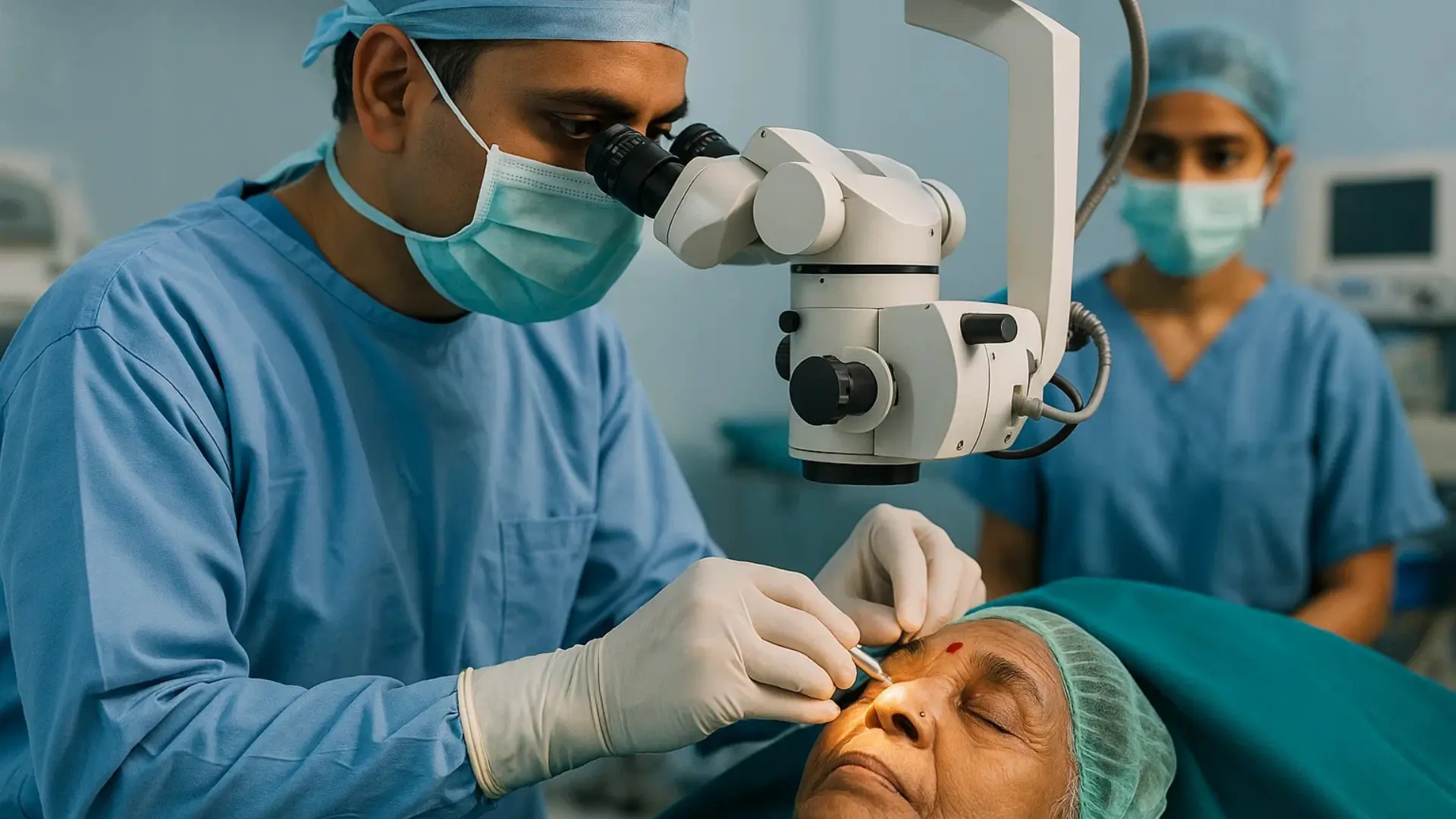
Macular degeneration surgery in India offers advanced treatment options for patients suffering from age-related macular degeneration (AMD), a leading cause of vision loss. With access to world-class ophthalmologists, modern technology, and affordable healthcare, India has become a trusted destination for eye surgeries.
Surgical options like retinal implants, laser therapy, and vitrectomy are performed with high precision in reputed eye hospitals. Patients from around the world seek treatment in India due to its high success rates, personalised care, and cost-effective packages. Whether for wet or dry AMD, timely intervention in India can help preserve or even restore partial vision.
Is there surgery for macular degeneration?
Yes, there are surgical options available for certain types and stages of macular degeneration, especially the advanced "wet" form. While macular degeneration cannot be cured, surgery aims to slow its progression or improve remaining vision. Common procedures include vitrectomy, which removes vitreous gel and abnormal blood vessels from the eye, and photodynamic therapy, which uses a light-sensitive drug and laser to seal leaking vessels.
Book Appointment
GET A FREE QUOTE
Laser photocoagulation is another option to cauterise abnormal blood vessels. In some cases, retinal implants or macular translocation surgery may be considered for severe vision loss. These surgeries are typically recommended when medications or injections are ineffective. In India, macular degeneration surgery is performed with advanced techniques, experienced surgeons, and affordable care.
What is Macular Degeneration Surgery?
Macular degeneration surgery refers to a range of surgical procedures designed to treat advanced stages of age-related macular degeneration (AMD), particularly the "wet" form. While there is no cure for AMD, surgery can help slow its progression or improve vision in certain cases.
Common surgical options include vitrectomy, which removes vitreous gel and abnormal blood vessels; laser photocoagulation, which seals leaking blood vessels; and photodynamic therapy, which uses light-activated drugs to target damaged areas. In rare cases, retinal implant surgery may be considered for severe vision loss. These procedures are usually recommended when medications and injections fail to control the disease. The goal of macular degeneration surgery is to preserve remaining vision and enhance quality of life.
Causes of Macular Degeneration
Macular degeneration is primarily caused by age-related changes in the retina, but various factors contribute to its onset. Genetics, smoking, high blood pressure, obesity, and prolonged sun exposure increase the risk. Poor diet, lack of antioxidants, and a sedentary lifestyle may also play a role. Both environmental and hereditary influences contribute to the progression of this eye condition..
- Age: Most common in individuals over 60; ageing leads to retinal tissue breakdown.
- Genetics: Family history of AMD significantly increases the risk.
- Smoking: Reduces oxygen supply to the retina, accelerating damage.
- High Blood Pressure Damages blood vessels in the retina.
- Obesity: Increases inflammation and the likelihood of AMD progression.
- Poor Diet: Lack of leafy greens, omega-3s, and antioxidants weakens eye health.
- Sun Exposure: Long-term UV exposure damages retinal cells.
- Sedentary Lifestyle: Reduces overall eye and vascular health.
- High Cholesterol: Leads to fatty deposits in the retina.
- Cardiovascular Disease: Impairs blood flow to the retina.
- Gender: Women are slightly more prone than men.
- Race: Caucasians have a higher incidence of AMD.
Book Appointment
GET A FREE QUOTE
Symptoms of Macular Degeneration
Macular degeneration often develops gradually, with early signs including blurry central vision and difficulty recognising faces. As it progresses, straight lines may appear distorted, and dark or empty spots can form in the central visual field. Prompt diagnosis is essential, and when vision deteriorates, macular degeneration surgery in India can offer advanced treatment options to manage severe symptoms.
- Blurry Central Vision: Early symptom, making reading or driving difficult.
- Distorted Vision: Straight lines appear wavy or bent.
- Difficulty Recognising Faces: Central vision loss affects facial recognition.
- Dark or Blank Spots: Blind spots appear in the centre of vision.
- Reduced Brightness and Colour Perception: Colours may seem faded or dull.
- Need for Brighter Light: Especially during reading or detailed tasks.
- Slow Recovery of Vision: After exposure to bright light.
- Decreased Contrast Sensitivity: Makes low-light environments challenging.
- Visual Hallucinations: In some cases, seeing shapes or patterns that aren't there.
- Gradual or Sudden Onset: Symptoms can appear slowly or rapidly, especially in wet AMD.
- For severe cases, macular degeneration surgery in India provides advanced care and vision preservation.
Age-Related Macular Degeneration
Age-related macular degeneration (AMD) is a progressive eye condition that affects the macula, the central part of the retina responsible for sharp, detailed vision. It typically occurs in individuals over 60 and is a leading cause of vision loss among older adults. AMD is classified into two types: dry AMD, which progresses slowly due to thinning of the macula, and wet AMD, which develops rapidly due to abnormal blood vessel growth under the retina.
Common symptoms include blurred central vision, distorted lines, and difficulty recognising faces. While dry AMD has no cure, lifestyle changes and supplements can slow its progression. For wet AMD, treatments like injections or macular degeneration surgery in India can help manage and preserve remaining vision.
Treatment Options for Macular Degeneration Surgery
Macular degeneration surgery offers hope for patients with advanced vision loss, especially in wet AMD cases. In India, treatment includes high-end surgical interventions and supportive therapies aimed at preserving vision. Macular degeneration surgery in India is performed by skilled ophthalmologists using advanced techniques for effective outcomes.
Book Appointment
GET A FREE QUOTE
- Vitrectomy: Removes damaged vitreous gel and abnormal vessels.
- Laser Photocoagulation: Seals leaking blood vessels with thermal laser.
- Photodynamic Therapy: Uses a light-activated drug to treat abnormal vessels.
- Retinal Implants: For select patients with severe vision loss.
- Macular Translocation Surgery: Moves the macula to a healthier retinal area.
- Low Vision Aids & Rehabilitation: Post-surgery support to maximise remaining vision.
Macular Degeneration Surgery cost
The cost of macular degeneration surgery in India varies depending on the type of procedure, hospital, and location. Procedures like vitrectomy or laser photocoagulation typically range from ₹40,000 to ₹1,50,000. Photodynamic therapy and retinal implant surgeries may cost more due to specialised equipment and expertise.
India's top eye hospitals offer affordable packages compared to Western countries, making it a popular destination for international patients. Pre-operative tests, medications, and follow-up visits may involve additional charges. Below is a general cost breakdown for common surgeries.
|
Procedure |
Estimated Cost (INR) |
|
Vitrectomy |
₹60,000 – ₹1,20,000 |
|
Laser Photocoagulation |
₹40,000 – ₹70,000 |
|
Photodynamic Therapy |
₹70,000 – ₹1,50,000 |
|
Retinal Implant Surgery |
₹1,50,000 – ₹3,00,000 |
Hospitals For Macular Degeneration Surgery
India is home to some of the most reputed eye care centres offering advanced macular degeneration surgery. These hospitals are equipped with advanced technology and staffed by experienced ophthalmologists. From laser treatments to complex vitrectomy and retinal implants, patients receive comprehensive care at affordable costs.
|
Hospital Name |
City |
|
Sankara Nethralaya |
Chennai |
|
LV Prasad Eye Institute |
Hyderabad |
|
Aravind Eye Hospital |
Madurai |
|
AIIMS |
New Delhi |
|
Narayana Nethralaya |
Bangalore |
|
Centre for Sight |
New Delhi |
|
Dr. Agarwal’s Eye Hospital |
Chennai |
|
Netralaya Super Speciality Eye Hospital |
Mumbai |
|
Shroff Eye Centre |
New Delhi |
|
Max Healthcare Eye Centre |
Delhi/NCR |
|
Fortis Memorial Research Institute |
Gurugram |
|
Amrita Institute of Medical Sciences |
Kochi |
|
Lotus Eye Hospital |
Coimbatore |
|
Vasan Eye Care |
Multiple Cities |
|
Pushpagiri Eye Institute |
Hyderabad |
Many of these hospitals are NABH-accredited and attract international patients due to their high success rates. Whether you need dry or wet AMD management, these facilities provide world-class solutions. Below is a list of 15 top hospitals offering macular degeneration surgery in India.
Book Appointment
GET A FREE QUOTE
Best Surgeons for Macular Degeneration Surgery
India is home to some of the finest ophthalmic surgeons specialising in macular degeneration surgery. These experts are trained in advanced retinal procedures like vitrectomy, photodynamic therapy, and retinal implants.
With global exposure, cutting-edge equipment, and years of experience, they provide high success rates and patient-centred care. Many of these specialists are associated with India’s top eye hospitals and are known for treating complex AMD cases. Their expertise attracts patients from across the world, making macular degeneration surgery in India a trusted choice.
|
Surgeon Name |
Hospital/City |
|
Dr. S. Natarajan |
Aditya Jyot Eye Hospital, Mumbai |
|
Dr. Taraprasad Das |
LV Prasad Eye Institute, Hyderabad |
|
Dr. Lingam Gopal |
Sankara Nethralaya, Chennai |
|
Dr. Rajiv Raman |
Sankara Nethralaya, Chennai |
|
Dr. Mahipal S Sachdev |
Centre for Sight, Delhi |
|
Dr. Amar Agarwal |
Dr. Agarwal’s Eye Hospital, Chennai |
|
Dr. Namrata Sharma |
AIIMS, New Delhi |
|
Dr. Sudipto Pakrasi |
Max Eye Care, Delhi |
|
Dr. Vikas Mahatme |
Mahatme Eye Bank & Hospital, Nagpur |
|
Dr. R.V. Ramani |
Sankara Eye Foundation, Coimbatore |
We Care Health Services for Macular Degeneration Surgery
We Care Health Services is a leading medical tourism facilitator that connects patients to JCI-accredited and NABH-certified hospitals across India for advanced eye treatments, including those for age‑related macular degeneration.
With transparency in pricing and hospital partnerships, they offer patient support from initial consultation through post-operative follow‑up. Their network includes top ophthalmologists and retinal specialists able to perform interventions such as laser photocoagulation, vitrectomy, and photodynamic therapy. As part of their services, they provide personalised surgery packages and logistic assistance, making macular degeneration surgery in India accessible, affordable, and reliable for international and domestic patients .
Book Appointment
GET A FREE QUOTE
- Extensive Hospital Network: Partnerships with JCI‑accredited and NABH‑certified eye hospitals across major Indian cities.
- Expert Retina Specialists: Access to highly experienced surgeons skilled in AMD surgical treatments.
- Transparent Cost Packages: Clear pricing arrangements, reducing unexpected charges.
- Free Online Consultation: Initial evaluation and treatment guidance at no cost.
- Personalized Treatment Plans: Tailored care for wet or dry AMD, including surgical and non‑surgical options.
- End‑to‑End Support: Assistance with travel, appointments, accommodation, and recovery logistics.
- Post‑Surgery Follow‑Up: Continued care coordination and rehabilitation support.
- Affordable Medical Tourism Model: Combines global standards with India’s cost‑effective healthcare.