
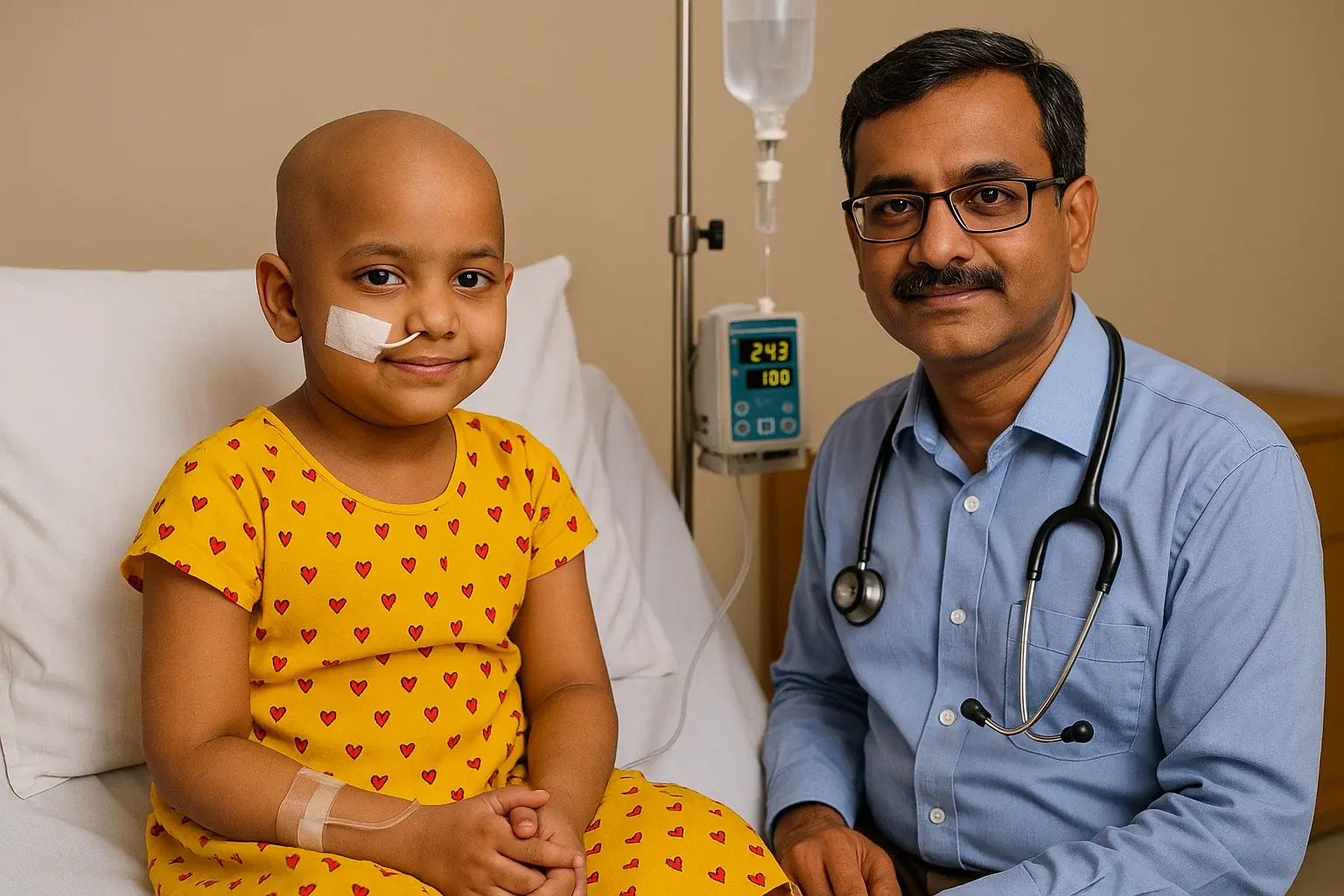
Childhood cancer treatment in India has significantly advanced, offering children access to specialised care, modern therapies, and improved survival rates. Major pediatric oncology centres across the country provide comprehensive treatment plans that include chemotherapy, radiation, surgery, and supportive care tailored to each child’s needs.
Multidisciplinary teams of pediatric oncologists, surgeons, psychologists, and nutritionists work together to ensure holistic recovery. Government initiatives and charitable trusts also support families financially, making care more accessible. With growing awareness, early diagnosis, and modern technology, India is steadily improving outcomes for children battling cancer across various types and stages.
Cause of Pediatric Cancer- How We Define Childhood Cancers?
The exact causes of childhood cancer are often unknown, but most cases are linked to random genetic mutations that occur during early development. Unlike adult cancers, they are rarely caused by lifestyle or environmental factors. Some children may inherit gene mutations or have conditions that increase cancer risk, such as Li-Fraumeni syndrome or Down syndrome. Research into causes continues globally, including in India. Understanding these causes is essential to improving childhood cancer treatment in India, where early diagnosis and genetic insights are helping shape more effective, targeted treatment strategies for young patients.
- Genetic Mutations: Random changes in a child’s DNA during early development can lead to cancer.
- Inherited Conditions: Some children inherit gene mutations from their parents, such as in Li-Fraumeni syndrome or neurofibromatosis.
- Chromosomal Abnormalities: Conditions like Down syndrome increase the risk of certain cancers, like leukaemia.
- Immune System Disorders: Weakened or abnormal immune function can raise cancer risk in children.
- Environmental Exposures (Rare): Limited but possible exposure to radiation or harmful chemicals may contribute.
- Unknown Factors: In most cases, the cause cannot be pinpointed.
Childhood Cancer or Pediatric Cancer
Childhood cancers are a group of diseases that occur in children and adolescents, typically under the age of 15. Unlike adult cancers, which are often linked to lifestyle or environmental factors, childhood cancers usually result from genetic mutations or developmental issues. They tend to grow faster and respond differently to treatment. Common types include leukaemia, brain tumours, lymphoma, neuroblastoma, and Wilms' tumour. Early diagnosis and specialised care are critical, as children require tailored treatment approaches that consider both their growing bodies and long-term health outcomes.
Screening For Childhood Cancer- Diagnosis of Childhood Cancer
Unlike adult cancers, childhood cancers often develop quickly and are rarely detected through routine screening. Most pediatric cancers are diagnosed after the onset of symptoms rather than through formal screening programs. However, early detection remains critical, especially for children who have a known genetic predisposition or family history of cancer.
In such high-risk children, doctors may recommend periodic screening using blood tests, imaging studies (like ultrasound or MRI), and physical examinations. For example, children with Li-Fraumeni syndrome may undergo regular whole-body MRI scans, while those with familial retinoblastoma might receive routine eye exams starting shortly after birth.
No Routine Screening for All Children:
Childhood cancers are rare and grow rapidly, so standard screening programs like those used for adults are not common.
High-Risk Group Surveillance:
Children with inherited conditions (e.g., Li-Fraumeni syndrome, familial retinoblastoma, neurofibromatosis) are monitored with targeted screening protocols.
Screening Methods for High-Risk Children:
- Whole-body MRI scans for children with Li-Fraumeni syndrome.
- Eye exams for infants at risk of retinoblastoma.
- Ultrasound or CT scans are used in certain syndromes linked to kidney or adrenal tumours.
- Regular blood tests to check for changes in cell counts or markers.
Importance of Routine Check-ups:
Paediatricians play a critical role in identifying early warning signs during regular health visits. It is a physical examination for screening children by a doctor.
- Persistent lumps or swelling
- Unexplained fever or weight loss
- Frequent infections or bruising
- Headaches with vomiting
- Bone or joint pain
- Changes in behaviour or vision
India’s Growing Focus on Early Detection:
- Specialised hospitals offer risk-based surveillance.
- Awareness programs are helping parents recognise symptoms earlier.
- More families are accessing pediatric oncology services at the right time.
Recent Advances in Pediatric Oncology
Recent advances in pediatric oncology are transforming the way childhood cancers are diagnosed and treated. Genomic testing has enabled doctors to identify specific mutations, leading to targeted therapies like tovorafenib for BRAF-mutated gliomas. Immunotherapy, especially CAR-T cell therapy, has shown remarkable success in treating relapsed leukaemia. Liquid biopsies offer a non-invasive way to monitor tumour changes in real time.
Techniques like proton beam therapy reduce radiation damage to healthy tissues, improving long-term outcomes. These innovations, combined with personalized medicine approaches, are significantly increasing survival rates and improving the quality of life for children undergoing cancer treatment.
- Targeted Genomic Drugs: FDA-approved tovorafenib treats BRAF-mutated low‑grade gliomas in children, shrinking tumours in ~70% of patients
- Radionuclide Therapy: Lutathera® (lutetium‑177 dotatate) now cleared for pediatric gastroenteropancreatic neuroendocrine tumours, offering a new therapeutic option.
- Immunotherapy Breakthroughs: CAR‑T cell therapies yield curative outcomes in relapsed or refractory leukaemia, revolutionising treatment.
- Precision Medicine & Liquid Biopsies: Genetic profiling and non-invasive blood tests guide personalised treatments and monitor tumour response.
- Proton Beam Therapy: Planned at Kidwai Memorial in Bengaluru, promising reduced late effects compared to conventional radiation.
Childhood Cancer Symptoms
Childhood cancer symptoms can vary widely depending on the type and location of the cancer. Unlike adults, children may not be able to clearly express their discomfort, making it vital for parents and caregivers to observe unusual or persistent changes. Symptoms often mimic common illnesses but persist longer or worsen over time. Warning signs may include unexplained weight loss, fatigue, persistent fever, swelling or lumps, frequent infections, bone pain, or changes in behaviour. Early detection plays a critical role in successful treatment, so any long-lasting, unusual symptom should prompt immediate medical evaluation.
- Unexplained Weight Loss:
Caused by cancer cells using up energy or affecting metabolism. - Frequent Infections or Fever:
Due to low white blood cell counts from leukaemia or bone marrow involvement. - Swelling or Lumps:
It may result from lymph node enlargement or solid tumours like neuroblastoma or lymphoma. - Persistent Pain or Limping:
Caused by bone tumours or leukaemia affecting the bone marrow. - Bruising or Bleeding Easily:
Results from platelet reduction due to blood cancers like leukaemia. - Headaches with Vomiting:
Possible signs of brain tumours include increasing intracranial pressure. - Behavioural or Vision Changes:
Tumours affecting the brain or optic nerves may trigger these symptoms.
Pediatric Cancer Treatment Protocols
Pediatric cancer treatment protocols are carefully designed, evidence-based plans that guide the treatment of childhood cancers. These protocols vary depending on the type of cancer, its stage, and the child’s overall health. They are created by pediatric oncology experts and are regularly updated based on global research and clinical outcomes. The primary goal is to maximise cure rates while minimising long-term side effects.
Treatment typically begins with a confirmed diagnosis through imaging and biopsy, followed by risk stratification. Depending on the cancer type—such as leukaemia, lymphoma, brain tumours, or solid tumours—the protocol may include one or more of the following: chemotherapy, surgery, radiation therapy, immunotherapy, or stem cell transplant.
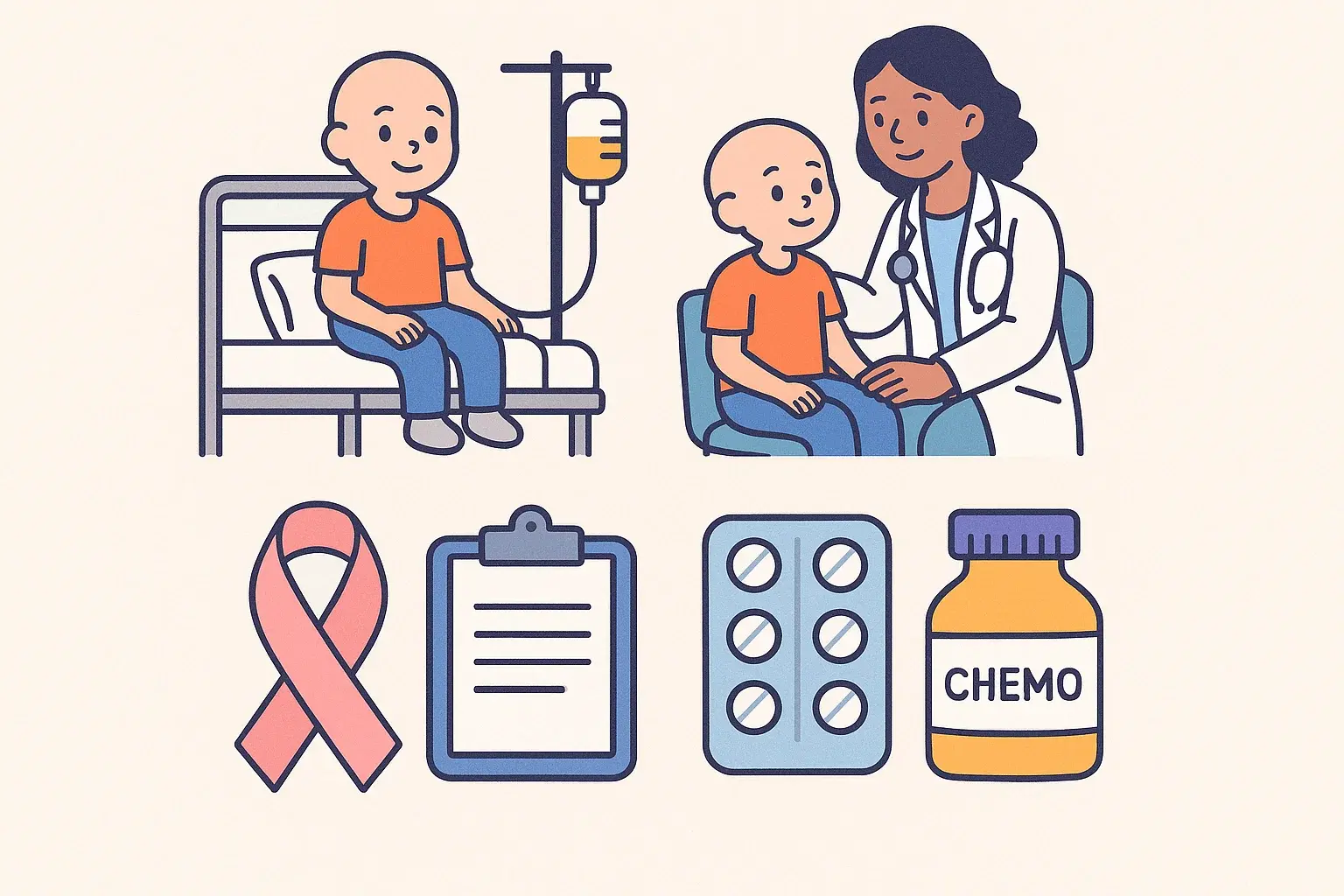
Pediatric Cancer Treatment Protocols
In India, major pediatric oncology centres follow globally recognised treatment protocols from organisations such as the Children’s Oncology Group (COG), St. Jude’s, and Indian Pediatric Oncology guidelines. These protocols are adapted to local needs and resource availability, ensuring effective and accessible care.
Supportive care, including antibiotics, blood transfusions, nutrition, and psychological counselling, is an integral part of the treatment. After active treatment ends, long-term follow-up protocols monitor for recurrence and manage late effects. With improved protocols and multidisciplinary care, survival rates for many childhood cancers have significantly improved in recent years.
- Diagnosis & Risk Assessment
- Chemotherapy (Primary Treatment for Most Cancers)
- Surgery (For Tumour Removal)
- Radiation Therapy (Targeted in Specific Cases)
- Immunotherapy (Emerging for Refractory Cases)
- Stem Cell or Bone Marrow Transplant
- Supportive Care (Infection control, Nutrition, Pain relief)
- Psychosocial Support and Counselling
- Long-term Follow-Up and Monitoring
How to Prevent Childhood Cancer?
Preventing childhood cancer remains challenging, as most cases are caused by random genetic mutations rather than lifestyle or environmental factors. However, certain steps can help reduce risks and support early detection. Pregnant mothers should avoid harmful exposures such as tobacco smoke, radiation, and toxic chemicals.
Genetic counselling is valuable for families with a history of cancer. Maintaining good prenatal and childhood nutrition, timely vaccinations, and regular health check-ups may also play a role. Awareness and education are essential parts of long-term strategies to improve outcomes and strengthen childhood cancer treatment in India through early diagnosis and informed care.
- Avoid tobacco and alcohol use during pregnancy
- Ensure proper prenatal care and nutrition
- Limit exposure to harmful chemicals or radiation
- Keep up with vaccination schedules (e.g., hepatitis B, HPV)
- Practice good hygiene and sanitation
- Seek genetic counselling if there is a family history of cancer
- Encourage a balanced diet and an active lifestyle for children
- Schedule regular pediatric check-ups for early detection
- Support public awareness programs and early intervention policies.
Why is childhood cancer increasing?
The rising incidence of childhood cancer globally, including in India, is a growing concern. While improved diagnostic tools and greater awareness have led to better reporting, there are also emerging factors that may contribute to the actual rise in cases. Unlike adult cancers, childhood cancers are not typically caused by lifestyle choices. Instead, they are often linked to genetic mutations, prenatal factors, and environmental exposures during early development.
In India, as access to healthcare improves, more cases are being diagnosed and documented, revealing a clearer picture of the cancer burden among children. Although this may partly explain the increase, other potential contributors—such as parental age, exposure to pollution, urbanisation, and dietary changes—are also being studied.
Understanding these causes is critical to shaping prevention strategies and improving childhood cancer treatment in India. Continued investment in research, awareness, and early intervention will be key to reversing this trend and enhancing survival outcomes.
Reasons for Increasing Pediatric Cancers
- Improved diagnostic tools and reporting
- Increased awareness leading to more medical evaluations
- Environmental pollution and chemical exposure
- Advanced parental age at childbirth
- Changes in prenatal and early childhood environments
- Higher urbanisation and exposure to electromagnetic fields
- Lifestyle and dietary changes impacting early development
- Genetic predispositions are becoming more identifiable through testing
- Growing population and better cancer registry data in India
What is Common treatment for childhood cancer?- Childhood Cancer Treatment in India
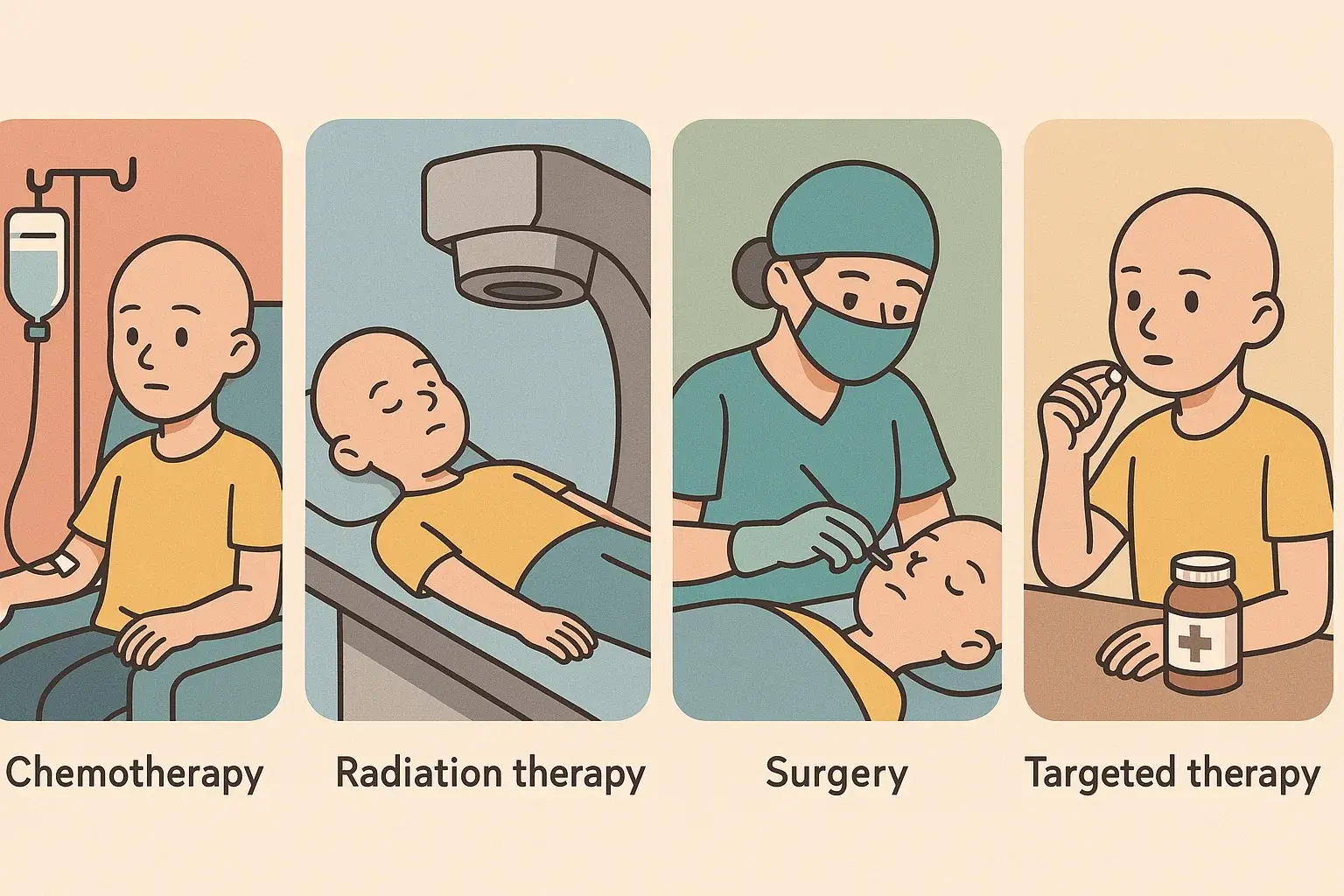
The common treatment for childhood cancer depends on the type and stage of the disease, but often involves a combination of therapies. Chemotherapy is widely used to target and kill cancer cells throughout the body. Surgery may be performed to remove solid tumours, while radiation therapy is used to shrink or destroy cancer cells in specific areas.
Some cases may benefit from immunotherapy or stem cell transplants. Treatment plans are personalised and monitored closely by pediatric oncologists. Supportive care, including nutrition, pain management, and psychological support, is essential to help children cope and recover during and after treatment.
What is Common treatment for childhood cancer
Chemotherapy
Chemotherapy uses strong drugs to kill or stop the growth of cancer cells. It is one of the most common treatments for childhood cancers like leukaemia, lymphoma, and solid tumours. It may be given orally, through injections, or intravenously.
Surgery
Surgery is used to remove tumours or affected tissues. It is often used for solid cancers like Wilms' tumour, neuroblastoma, or brain tumours. The goal is to remove as much of the tumour as safely possible.
Radiation Therapy
Radiation uses high-energy rays to destroy cancer cells. It is often used for brain tumours or after surgery to prevent cancer from coming back. Advanced techniques like proton beam therapy help reduce damage to surrounding healthy tissue.
Immunotherapy
This treatment uses the child’s immune system to fight cancer. It includes treatments like monoclonal antibodies or CAR-T cell therapy, especially in resistant or relapsed leukaemia cases.
Stem Cells or Bone Marrow Therapy
Used when high doses of chemotherapy damage bone marrow. Healthy stem cells are transplanted to restore the immune system and blood-forming ability.
Targeted Therapy
These drugs target specific genetic mutations or proteins in cancer cells, reducing damage to healthy cells. It is mainly used for cancers with known mutations.
Supportive Care
This includes pain relief, nutrition, infection control, psychological support, and rehabilitation. It ensures the child stays strong during treatment.
We Care Health Services for Childhood Cancer Treatment in India
We Care Health Services stands out as a trusted partner in childhood cancer treatment in India, offering expert care, personalised treatment plans, and access to top pediatric oncologists. Families receive guidance at every step—from diagnosis to recovery—with full support services, advanced technology, and a compassionate approach. With a strong network of leading hospitals and specialists, We Care ensures timely, effective, and child-focused cancer care across India, helping young patients heal with dignity, strength, and hope.
We Care Health Services provides dedicated, comprehensive, and reliable support for families seeking the best childhood cancer treatment in India. With a deep understanding of the challenges families face, the team ensures each child receives individualised care guided by experienced pediatric oncologists and multidisciplinary experts.
- Nationwide Hospital Network
Ties with top pediatric oncology centres in cities like Delhi, Mumbai, Bengaluru, and Chennai ensure access to advanced infrastructure and expert care. - Expert Coordination
The service manages consultations, hospital admissions, second opinions, and treatment planning seamlessly, saving families time and confusion. - Personalised Treatment Pathways
Each case is treated based on international protocols tailored to the child’s age, diagnosis, and stage of cancer. - Emphasis on Compassionate Care
Special care is taken to address a child’s emotional well-being with access to pediatric psychologists, nutritionists, and play therapy. - Access to Advanced Treatments
Services include support for chemotherapy, surgery, bone marrow transplant, radiation, immunotherapy, and supportive therapies under a single umbrella. - Transparency and Ethical Care
Parents are kept informed at every stage with clear communication and ethical guidance for treatment choices. - International Patient Support
Overseas families seeking treatment in India get complete visa, travel, and treatment assistance. - Post-Treatment Follow-Up
Continued monitoring and support after treatment help manage late effects and ensure long-term wellness.
Childhood Cancer in India Statistics
Childhood cancer is a growing concern in India, with approximately 50,000 new cases diagnosed every year in children aged 0–19 years. It accounts for about 5% of all cancer cases in the country. The most common types include leukemia (especially acute lymphoblastic leukaemia), brain tumours, lymphomas, Wilms' tumour, and neuroblastoma. Leukaemia alone makes up nearly 35–40% of all childhood cancer cases.
Despite advancements in treatment, survival rates in India remain lower than in high-income countries. While developed nations report survival rates of 80% or higher, India’s average stands around 60%, largely due to late diagnosis, lack of access to quality care, and high treatment dropout rates.
Urban centres with established pediatric oncology units have better outcomes, but rural and underprivileged populations face significant barriers. The National Cancer Grid and Indian Pediatric Oncology Group are working to standardise treatment protocols and improve access.
Public awareness about early symptoms and better referral systems can significantly improve survival rates. Government schemes and NGOs are increasingly stepping in to support treatment and infrastructure. As access to quality childhood cancer treatment in India improves, survival and recovery outcomes are gradually rising, offering hope to thousands of families every year.