
Chemical Peel Surgery
in India
Chemical peel surgery in India is a good choice for people looking to improve skin texture. This treatment takes very little time and gives you more confidence when completed within a time.
Chemical Peel Surgery in India: Cost and Hospital
Chemical peel surgery in India is a good choice for people looking to improve skin texture. This treatment takes very little time and gives you more confidence when completed within a time. There are many rumours about this treatment that misguide people. This treatment exfoliates the top layer of the skin, revealing the brighter skin beneath. For some people, it is like a non-holistic approach, and others see it as a motivational key for appearance.
In the Delhi NCR region, this treatment is done with the best possible care. There are mainly three types of peel treatment: superficial, medium, and deep peeling treatment. They depend on the type of skin and the damage it is experiencing at that time. In the whole article, you will get guidance about the treatment and benefits of the chemical peel surgery in India.
What is a Chemical Peel?
In India, Chemical peels are one of the most sought-after cosmetic dermatology treatments for enhancing the look and feel of the skin. A chemical solution is applied to the skin to remove the outermost layers of the skin by either exfoliation or to expose and rejuvenate healthier, smoother, or softer skin beneath the removed outer layer. Chemical peels can be performed in three different types (Superficial, Medium and Deep) depending on your specific concern, such as acne, pigmentation or wrinkles.
The procedure itself lasts between 30 minutes and 60 minutes with little downtime after the procedure, and typically costs between ₹1500–₹8000 per treatment depending on the type of chemical peel and/or clinic. Benefits of chemical peels include reducing the appearance of acne scars, enhancing skin tone and providing a youthful appearance. Multiple chemical peel treatments will usually produce the best results.
Understanding Chemical Peels: Types and Suitability
Chemical peels come in different strengths to match your needs. Each type targets specific skin problems. You pick based on how deep the issue goes and your daily life.
Superficial Peels (Lunchtime Peels)
These light treatments use gentle acids like glycolic or lactic from the alpha hydroxy family. Salicylic acid in low doses works well too. They skim the outer skin layer to tackle mild spots. Superficial peels suit folks with light acne or rough patches. You see brighter skin right away. Best part? Downtime is short, so you head back to work after lunch. Many in India choose these for quick fixes before events. They help with oil buildup from hot weather. Results last weeks with good home care.
Lunchtime PeelMedium-Depth Peels
Trichloroacetic acid, or TCA, powers these peels. It goes deeper than superficial ones, into the mid-skin layers. This removes more damage for clearer results. Medium peels work great on sun spots, small wrinkles, and shallow scars. Expect some redness and flaking for a few days. It's worth it for that even glow. In Indian clinics, doctors adjust TCA strength for your tone. This cuts risks like dark patches. You often need one or two sessions for big changes.
TCA PeelDeep Peels (Phenol Peels)
Phenol-based solutions dive way deep into the skin. They tackle tough issues like heavy scars or deep creases. Results can last years with proper upkeep. These peels need full anesthesia because they sting a lot. Recovery takes weeks, with swelling and crusting first. Doctors save them for bad cases where other options fail. Indian experts use deep peels less often due to longer heal times. But for severe sun damage, they deliver stunning makeovers. Always weigh the effort against the payoff.
Phenol PeelIs Chemical Peel Treatment Best for me?
Your skin type matters a ton in picking the right peel. Indian tones often fall on the Fitzpatrick scale from III to V, which means more melanin. A pro dermatologist checks this during your visit. They ask about your goals, like fading melasma or smoothing scars. Past reactions to sun or products guide their choice too. No one-size-fits-all here. Book a consult to get a plan just for you. It saves time and avoids wrong picks. You'll leave knowing exactly what to expect.
Not sure which peel is right for you? Book a consult to get a plan just for you.
The Chemical Peel Procedure in India: What to Expect Step-by-Step
Getting a chemical peel in India feels straightforward once you know the steps. Clinics keep things clean and calm. You walk in feeling ready for change.
Pre-Peel Preparation and Skin Priming
Start by ditching strong creams like retinoids two weeks before. Your doctor might prescribe hydroquinone to even out tone and fight dark spots after. This step cuts risks for Indian skin that tans easy. Stay out of the sun too — no beach days or long walks. Use gentle cleansers and light moisturizers daily. Priming your skin this way sets up success. Follow these tips, and you'll ease into the treatment smooth. Questions? Ask your doc early.
During the Application Process
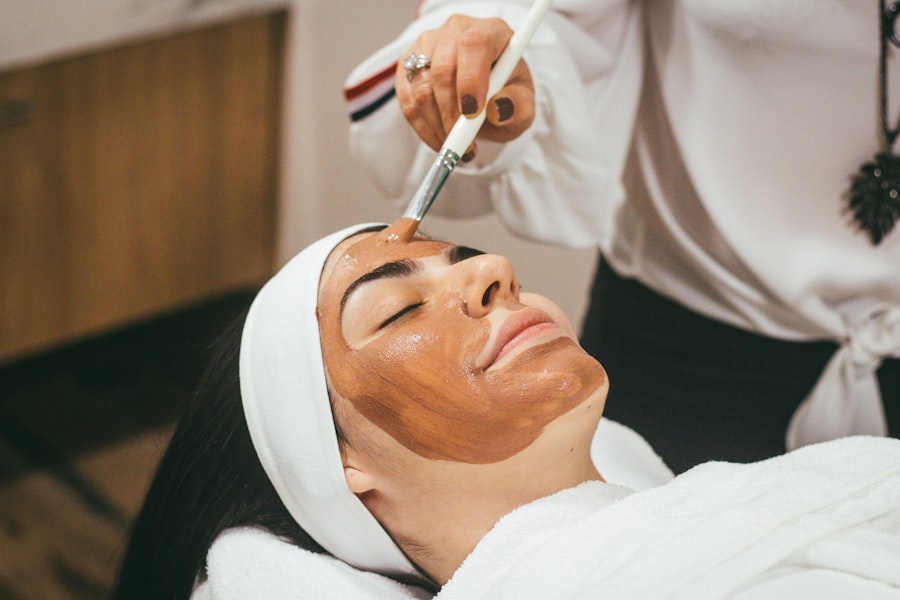
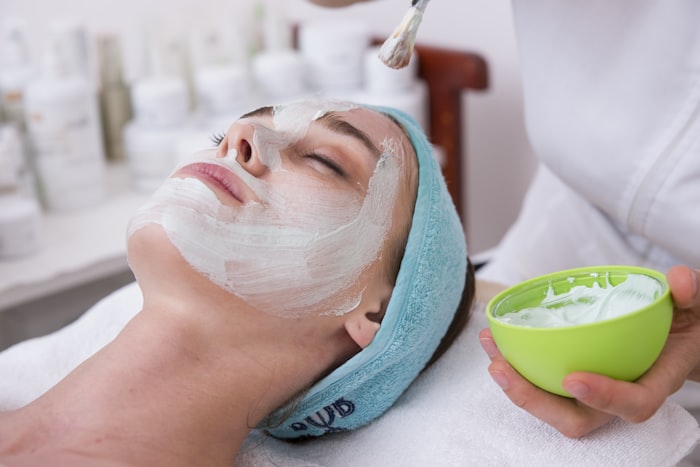
The day of, they clean your face well to remove oils. Then comes the chemical solution, brushed on evenly. You might feel a warm tingle or sting, like a quick pinch. For lighter peels, it stays on minutes before they rinse it off. Deeper ones take longer and get neutralized with a special wipe. A cool mask soothes right after. In India, sessions last 30 to 60 minutes total. Relax — it's quicker than a spa day. Pros monitor you close for comfort.
Post-Procedure Care and Recovery Timeline
Right after, your skin turns pink and tight, like a mild sunburn. For superficial peels, peeling starts in a day and fades in three to five. Medium ones bring more flaking, up to a week of downtime. Slap on thick, fragrance-free moisturizer several times a day. Layer SPF 50+ sunscreen every two hours outside. Skip makeup, scrubs, or picking at flakes — let it heal natural. Watch for issues like extra swelling, but most heal fine. By week two, you spot the fresh layer underneath. Stick to the plan for the best glow.
Ready for radiant days? Schedule that consult today.
Cost Analysis of Chemical Peel Surgery in India
Prices for chemical peel surgery in India vary wide based on details. You can find deals without skimping on quality. Shop smart to fit your wallet.
What Affects the Price?
Location plays a big role — big cities charge more for rent and staff. A top dermatologist with years of peels under their belt costs extra, but you get peace of mind. The peel type matters too; TCA mixes run higher than basic AHAs.
Custom blends or added tech like LED lights bump the bill. Clinic perks, like private rooms, add on. Hunt for board-certified spots to balance cost and care. These elements shape your final tab. Ask for breakdowns upfront.
In bustling spots like Delhi or Mumbai, expect higher tabs due to demand and overhead. Tier two hubs like Bangalore or Hyderabad offer solid savings with the same expertise. Travel costs might be offset, but local deals shine. South India clinics often bundle peels with consults cheaper. North ones focus on luxury, so prices climb. Pick based on your spot and travel ease. Variations come from market rates and competition. Research a few quotes to compare.
Inclusions and Exclusions in Quoted Pricing
Most quotes cover the peel itself and basic tools. That includes the chemical and application time. Follow-ups might sneak in for free checks.
But watch for extras like pre-peel creams or aftercare kits — they add up quick. Anesthesia for deep peels isn't always included. Travel or stay costs? On you. Clarify everything before signing. It keeps surprises low.
Safety, Risks, and Managing Expectations for Indian Skin Tones
Safety tops the list for chemical peels in India. With diverse tones, pros take extra steps. You deserve results without worry.
Mitigating Risks: Avoiding Post-Inflammatory Hyperpigmentation (PIH)
PIH hits hard on darker skin, leaving brown spots after irritation. Indian patients face this often from heat and melanin. Docs use combo peels with calming agents to fight it. Pre-treat with brighteners weeks ahead. They pick milder acids for your type. Post-care stresses the sun block to lock in gains. These moves drop PIH chances way down. Trust experienced hands for smooth sails.
Potential Side Effects and When to Seek Immediate Consultation
Redness fades fast, but watch for lasting flush or pus signs of infection. Scars are rare but possible if you pick skin. Lighter tones risk white patches from deep peels. Call your doc if fever hits or pain worsens. Swelling beyond two days? Get checked. Most sides pass quick with rest. Stay alert, but don't panic — issues stay low with good care.
Achieving Realistic Outcomes
One peel won't erase years of scars or stubborn melasma. Plan for three to six sessions spaced a month apart. Acne marks fade gradual, not overnight. Think of it like painting a wall — layers build the finish. Home routines amp results long-term. Patience pays off big. Set goals with your doc. You'll love the steady glow.
Sun Protection is Non-Negotiable
Layer SPF 50+ sunscreen every two hours outside. Post-peel skin is extra sensitive to the sun. Skip makeup, scrubs, or picking at flakes. By week two, you spot the fresh layer underneath. Stick to the plan for the best glow.
Ready for radiant days? Schedule that consult today and step into clearer confidence.
Conclusion
Chemical peel surgery in India blends top care with wallet-friendly prices. You get pro results for issues like scars and spots without breaking the bank. From light lunch peels to deeper fixes, options fit every need.
Pick a certified dermatologist to guide you safely. Prep well, follow aftercare, and watch your skin transform. Ready for radiant days? Schedule that consult today and step into clearer confidence.
Frequently Asked Questions
Ready for Radiant Days?
Schedule that consult today and step into clearer confidence. Chemical peel surgery in India — top care, wallet-friendly prices.