

Bile Duct reconstruction Procedure in India is a keyhole surgery that can be performed on an emergency basis. Surgical intervention to repair or reconstruct the biliary system. This may be necessary when a bile duct has been damaged, blocked, or narrowed due to trauma, tumor, stricture, or some type of birth defect. Biliary reconstruction includes the surgical repair of the bile duct system to enable normal drainage of bile into the intestines.
Imagine facing a blocked bile duct that threatens your liver's health. Bile duct reconstruction in India offers hope for many patients worldwide. This surgery fixes damaged ducts from issues like gallbladder removal gone wrong or cancer. Untreated, these problems lead to infections like cholangitis or even liver failure. India stands out as a top spot for such complex work. Hospitals here handle high volumes of cases with success rates up to 90% in leading centers. Let's explore how this procedure works and why it's a smart choice.
Common Bile Duct Issues
Spotting bile duct problems early can save you from bigger issues down the road. Many folks ignore the first hints, but these signs often point to the need for reconstruction. Let's break it down so you know when to act. Surgery, like gallbladder removal, can accidentally nick the bile duct. This leads to post-operative bile leaks, where fluid seeps out and causes swelling or infection. Over time, scars form strictures—narrow spots that block flow and trigger more pain.
You might feel sharp belly aches or a fever right after the first operation. Bile duct stricture often ties back to these mishaps during common procedures. If ignored, they worsen into chronic blockages that demand full reconstruction. Doctors see this in about one in every 200 gallbladder surgeries. Quick fixes like stents help at first, but leaks keep coming back in tough cases.
Symptoms of Biliary Obstruction
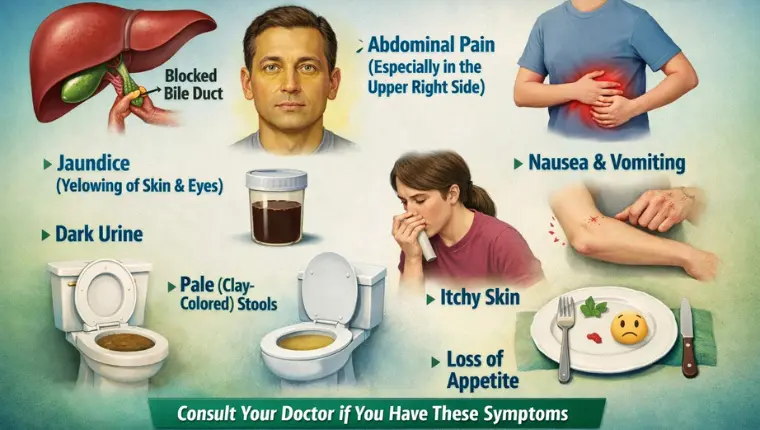
- Biliary obstruction builds slowly and hits hard.
- Jaundice shows up as yellow skin and eyes from built-up bile pigments.
- Pruritus, that intense itch, drives people crazy, especially at night.
- Dark urine and pale stools signal the blockage to—your body can't process waste right.
- Recurrent cholangitis brings chills, fever, and gut cramps from infections.
- These symptoms drain your energy and signal it's time for help.
- If you notice jaundice lasting over a week or repeated fevers, see a specialist right away. Don't wait; early checks can prevent liver damage.
- Track your symptoms in a journal to share with your doctor.
Diagnosis of Bile Duct Reconstruction Needs
Doctors in India start with clear tests to spot bile duct issues. They often use ERCP to view the ducts directly and place temporary drains if needed. This method helps pinpoint strictures or leaks fast. MRCP gives a non-invasive look with magnetic resonance tech. It's great for planning without risks. In busy Indian clinics, these tools cut wait times and boost accuracy. You might get results in days, not weeks.
- Tests map out the damage before any surgery starts.
- MRCP uses magnets and radio waves to picture the ducts without cuts—it's painless and detailed.
- ERCP goes further by threading a scope through your mouth to the duct, letting docs biopsy or place temporary fixes.
- PTC involves a needle through the skin to inject dye and spot blockages. Each tool has its place; your team picks based on your pain level and history.
- These steps confirm if reconstruction is the best path.
- Advanced spots like EUS add details for tough cases. This ultrasound through the mouth checks nearby tissues for cancer spread
- It guides minimally invasive plans. Indian teams mix these to save costs while maintaining high quality. For example, a simple MRCP costs far less here than abroad. Patients from afar often fly in just for this step.
Results guide the plan, showing exact spots of strictures or leaks. You get clear images to discuss options. Most patients feel relief knowing the full picture.
Bile Reconstruction Surgery in India
Not everyone is a candidate for bile duct reconstruction right away. Teams check your overall health first. They look at heart issues or diabetes, common in older folks. Scoring tools like the ASA system help rate risks. Low scores mean smoother surgery. High ones might need extra prep, like blood sugar control.
Multidisciplinary teams shine in top Indian hospitals. Hepatologists, radiologists, and surgeons meet to review your case. This group approach catches hidden problems early. It also tailors plans to you. Say you have obesity; they might suggest weight tweaks before the knife. These meetings happen weekly in places like Apollo or AIIMS. They ensure you face the least danger possible.
Leading surgeons tweak it for better results. They use fine sutures to seal joints tightly. Some add internal stents for a few months to aid healing. These changes lower leak risks. In high-volume centers, teams do dozens monthly. That practice sharpens skills. Patients report quicker bile flow post-op.
Severe spots require hilar shifts. Surgeons gently move liver edges to reach hidden areas. This demands steady hands and sharp eyes. Indian pros train in such feats at places like Sir Ganga Ram Hospital. Risks drop with experience. One study from 2025 showed 85% success in these tough fixes.
These ops rebuild ducts during the graft. Wait lists move fast compared to the West. Post-transplant, survival hits 90% at five years. But you need strong support. Indian programs include rehab to ease back to a normal life.
Minimally Invasive and Endoscopic Procedure (ERCP and PTC)
Your bile ducts act like tiny pipelines that carry bile from the liver to the small intestine. When they get damaged or blocked, it can turn your life upside down. Think of it as a plumbing disaster in your body—waste backs up, infections brew, and pain takes over fast.
Bile duct reconstruction surgery, often called BDRS, fixes these tough problems when other treatments fall short. It rebuilds the damaged paths to let bile flow right again. In this guide, we'll cover the key symptoms that signal you need this surgery, what success looks like with real numbers, how much it might cost you, and tips to pick the right hospital. You'll walk away knowing what to watch for and how to make smart choices.
In India, outpatient ERCP saves time and money. You might go home the same day. Post-stent care means drinking plenty and watching for fever. Change stents every three months to avoid blocks. Follow-ups use blood tests and ultrasounds. This path avoids full surgery for many. Success reaches 80% for simple cases. Tips for you: Eat light after the procedure. Report yellow skin right away. Indian clinics provide easy schedules, often with yearly check-ins.
This sets up dilation or stenting later. In failed ERCP spots, PTC success tops 95%. Indian interventional radiologists excel here. They use local anesthesia for comfort. Recovery involves wound care and tube flushes. It bridges to bigger fixes if needed.
Recovery Protocols in Surgical Wards
Watch for anastomotic stricture recurrence, where the new join scars over. Ascending cholangitis— infections climbing up—strikes in 10-15% of cases. Bile leaks happen early, needing drains to fix. Other risks include bleeding or clots. Most catch these quickly with monitoring. Recovery plans include antibiotics to fend off bugs. Stay vigilant; report fever or yellowing fast.
After bile duct reconstruction, expect a week in the hospital. Wards monitor vitals close. Pain meds come via IV at first, then pills. Watch for leaks through drains or bleeding signs.
Top centers use ERAS paths. These speed healing with early walks and clear diets. You might leave in four days instead of ten. Nutritionists help with bile-friendly foods. Indian staff keeps things calm, even with language help.
Bile Reconstruction Procedure Success Rate in India
Success hits when jaundice fades, and infections stop. Short-term, most see relief in months. Long-term patency—keeping ducts open—reaches 80-90% at top centers, per studies from places like Johns Hopkins. One review of 500 cases found 85% symptom-free after five years. These numbers climb with expert teams. Track your progress with regular blood tests. Patients report better life quality, eating without pain.
Success hits when jaundice fades and infections stop. Short-term, most see relief in months. Long-term patency—keeping ducts open—reaches 80-90% at top centers, per studies from places like Johns Hopkins. One review of 500 cases found 85% symptom-free after five years. These numbers climb with expert teams. Track your progress with regular blood tests. Patients report better life quality, eating without pain.
Bile Reconstruction Procedure Cost in India
Surgeon fees run $10,000 to $25,000 for complex work. Anesthesia adds $2,000-$5,000, depending on time under. Hospital stays hit $20,000+ for a week, more in ICU.Pathology tests and imaging tack on $3,000-$7,000. Post-op care, like follow-ups, adds another $5,000. Total often tops $50,000 in the US. Shop quotes from multiple spots.
|
Procedure |
Typical Cost in India |
|
ERCP (Endoscopic Retrograde Cholangiopancreatography) |
₹45,000 – ₹1,50,000 (approx) |
|
Choledochotomy / Common Bile Duct (CBD) Exploration |
₹65,000 – ₹1,85,000 (approx) |
|
Biliary Stricture Repair |
₹1,00,000 – ₹3,00,000 (approx) |
|
Bile Duct Reconstruction |
₹1,50,000 – ₹3,00,000 (approx) |
|
Simple Bile Duct Resection (e.g., for benign disease) |
₹2,50,000 – ₹4,50,000 (approx) |
|
Whipple Procedure (Pancreaticoduodenectomy) |
₹4,00,000 – ₹7,00,000 (approx) |
|
Partial Liver Resection (for cancer) |
₹3,50,000 – ₹6,50,000 (approx) |
|
Liver Transplant (for advanced biliary disease/cancer) |
₹20,00,000 – ₹25,00,000 (approx) |
Factor in meds and rehab, too. Open hepaticojejunostomy costs more than endoscopic stents—$40,000 vs. $15,000 average. US prices soar over international ones; India or Mexico offer 40-60% savings with good care.
Travel adds up, but quality checks matter. Endoscopic options save on recovery time and bills. Compare apples to apples when pricing. Your insurance sways the final hit. Prove medical need with test results and doctor notes. Most plans cover BDRS as essential, but pre-auth takes weeks—start early. Know your out-of-pocket max; it caps big expenses.
We Care Health Services For Bile Reconstruction Surgery
We Care Health Services is working in different Sectors with the same passion. You will find various treatments under the same roof. Not all hospitals handle bile duct work the same. Choose wisely to up your success odds. Here's how to pick a winner. High-volume surgeons cut complication rates by half, studies show. Hepatobiliary experts handle 50+ cases yearly for the best results. Transplant pros bring extra skills for liver-linked issues.
Which are the Best Hospitals For Bile Reconstruction Surgery in India?
There are different hospitals in Delhi NCR that are known for gastrointestinal procedures. They are renowned by the best doctors and technology in their hands. You can believe the procedure with the best outcomes. When considering bile duct surgical procedures or reconstructions, you should:
- Obtain a thorough evaluation and diagnosis based on imaging studies as well as a liver function test and blood component panels (to check liver function and the overall health of the person).
- Request cost estimations and care plans from at least two different tertiary care centres.
- Inquire as to how the surgical procedure will be performed (laparoscopically, open surgically, or robotically), and the estimated recovery time.
- Confirm the scope of the costs and whether they include the surgical procedure, hospitalisation, intensive care unit charges, and follow-up appointments.
- The Best Hospitals list in the city is:
|
Hospital |
City / Region |
|
Medanta – The Medicity |
Gurugram (Haryana) |
|
Indraprastha Apollo Hospital |
New Delhi |
|
Max Super Specialty Hospital |
New Delhi |
|
BLK-Max Super Speciality Hospital |
New Delhi |
|
Gleneagles Hospitals (Multiple locations) |
Bengaluru, Chennai, Hyderabad, Mumbai |
|
Lilavati Hospital & Research Centre |
Mumbai (Maharashtra) |
|
Fortis Memorial Research Institute |
Gurugram (Haryana) |
|
Artemis Hospital |
Gurgaon (Haryana) |
|
Metro Hospitals |
Delhi |
|
King George’s Medical University (KGMU) |
Lucknow (Uttar Pradesh) |
|
Punjab Institute of Liver and Biliary Sciences (PILBS) |
Mohali (Punjab) |
Conclusion
Bile duct reconstruction in India blends skill, tech, and value. Costs run 60-70% less than in the US, with equal or better outcomes. High case loads build expert teams. New tools like robotic aids promise even safer ways. Bile duct reconstruction surgery boasts 80-90% success in skilled centers, easing pain and restoring flow. Complications exist, but experience tames them. Costs vary from $15,000 to over $50,000—plan with insurance savvy.
Pick high-volume, accredited spots for best shots at lasting health. Talk to a specialist soon if duct trouble troubles you. Your path to relief starts with one step—reach out to an Indian center today for a consultation. Bile duct issues demand quick action on symptoms like jaundice or infections. Delaying worsens liver strain. Spot them early and seek expert care.
Picking a high-volume hospital with a strong team is your key move. It boosts outcomes and peace of mind. Take charge: research, ask questions, and step toward better health today.