
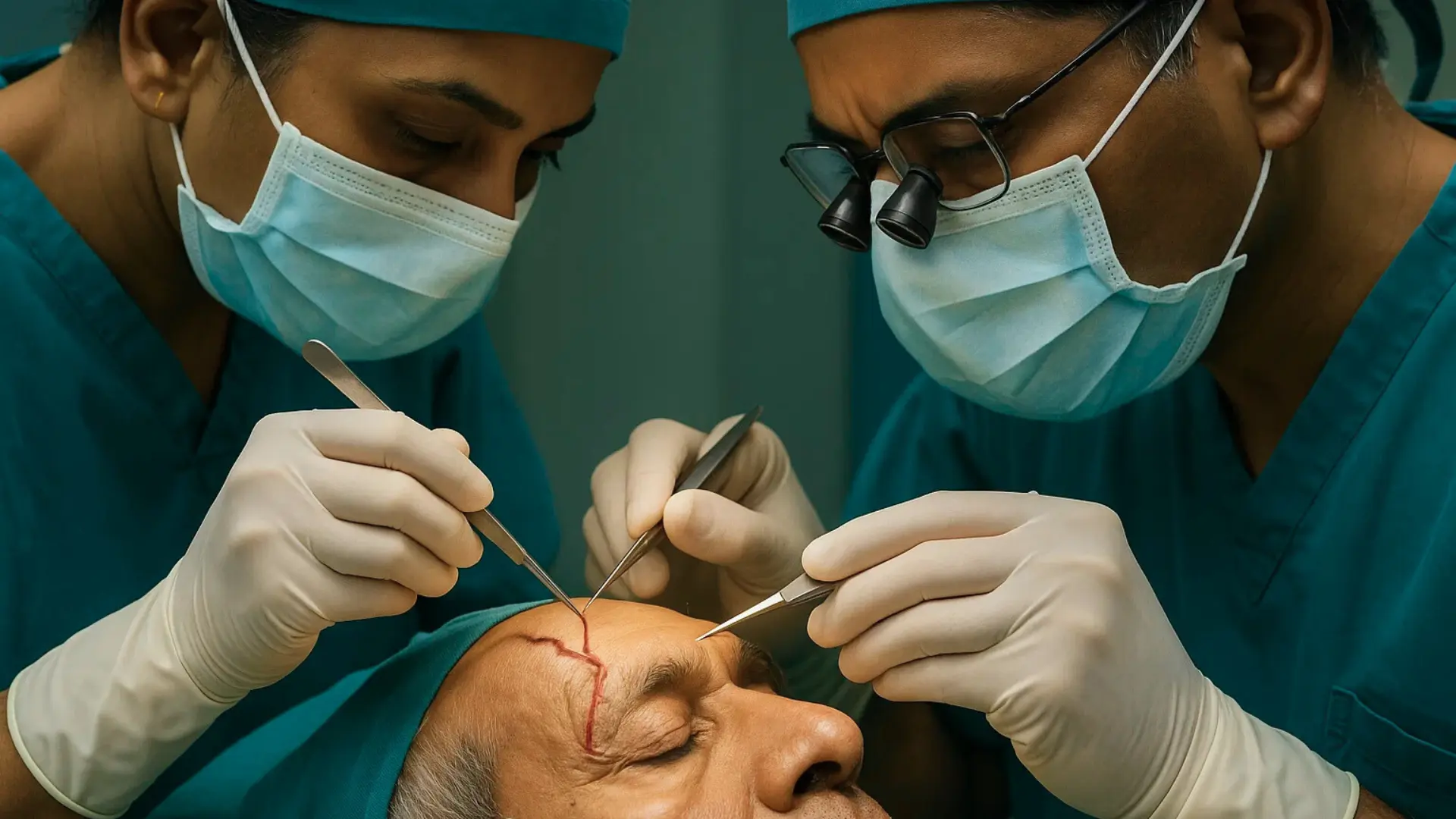
Temporal arteritis is a condition in which arteries of the body are affected, and giant cell surgery in India is the only option if it is for the eyes. The mentioned condition can also cause a quick loss of vision and block the supply of the optic nerve. So it is a chronic condition, but the person with arteritis is not well-known.
The chronic inflammation in the medium-sized arteries is observed in this case. Most of the medium-sized arteries supply blood to the brain and the eye area. The other name of this condition is giant cell arteritis.
What is Giant Cell Arteritis?
Giant Cell Arteritis (GCA) is an inflammatory condition that affects the large and medium-sized arteries, most commonly the temporal arteries located on the sides of the head. It typically occurs in adults over 50, especially women.
Book Appointment
GET A FREE QUOTE
The inflammation causes the arteries to narrow, reducing blood flow, which can lead to serious complications like vision loss or stroke if not treated promptly. Here are some common conditions noticed during inflammation:
- Persistent headache (especially at the temples)
- Scalp tenderness
- Jaw pain while chewing
- Vision changes or sudden vision loss
- Fatigue and fever
GCA is often diagnosed through blood tests (ESR, CRP), imaging, and a temporal artery biopsy. It is treated with high-dose corticosteroids to quickly reduce inflammation and prevent complications.
What is Giant Cell Surgery?
The term “giant cell surgery” is defined based on the treatment procedure of the above condition. It is ans eye treatment and necessary for chronic conditions and other issues. The procedure of surgical interventions in case of giant cells is known s Giant cell surgery. Here are some conditions in which surgery is performed.
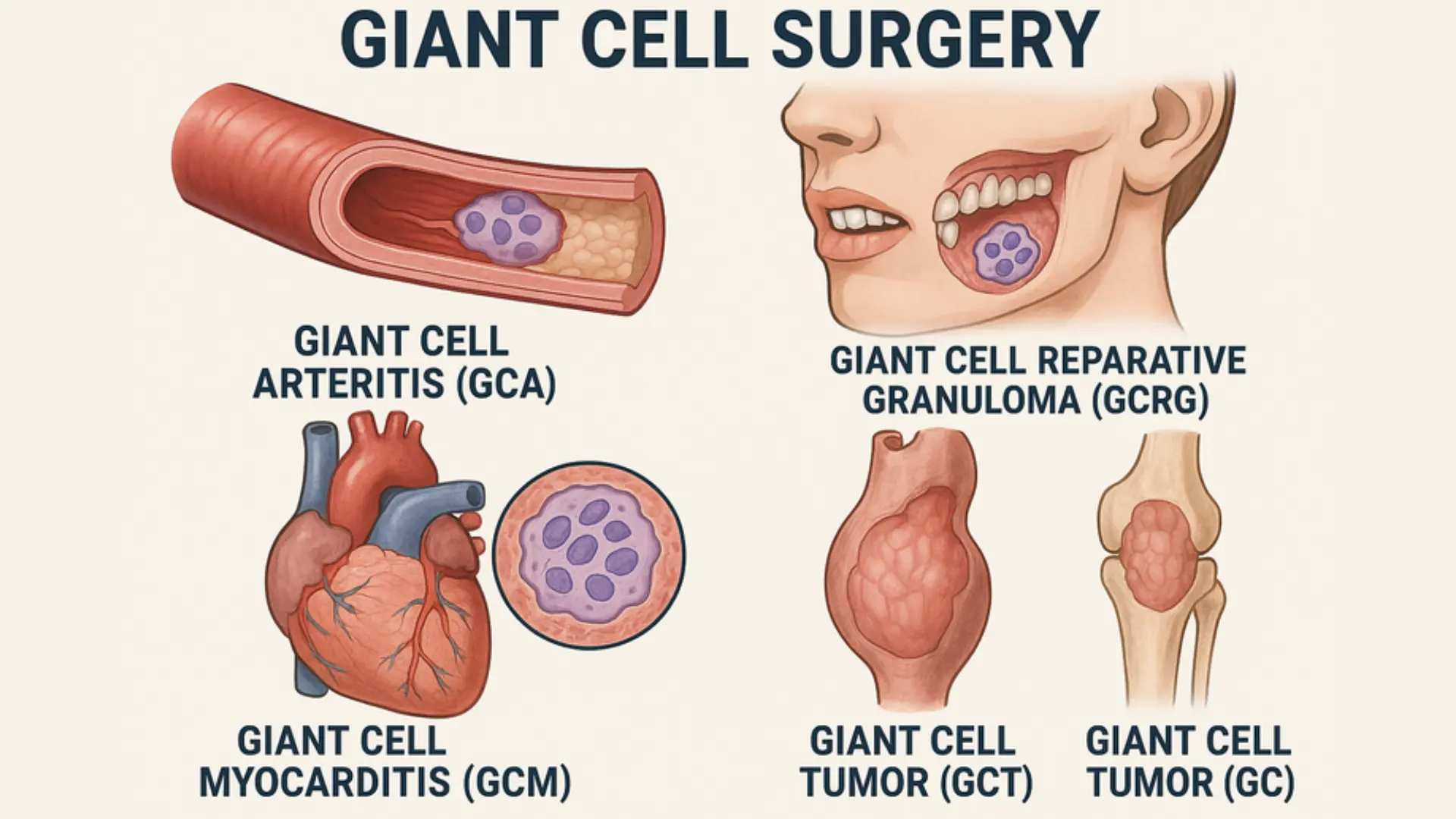
What is Giant Cell Surgery
Symptoms of Associated Diseases
Giant cell-related conditions often present with distinct symptoms depending on the affected area, such as arteries, bones, heart, or facial structures. Early identification of these symptoms is vital, as some can lead to severe complications without timely treatment. Fortunately, giant cell surgery in India is advanced and accessible, offering both diagnostic and therapeutic options.
Book Appointment
GET A FREE QUOTE
Symptoms of Giant Cell Arteritis:
This condition primarily affects arteries near the temples and can lead to vision loss.
- Persistent headache (especially in the temples)
- Scalp tenderness
- Jaw pain while chewing
- Vision changes or sudden blindness
- Fatigue and low-grade fever
Symptoms of Giant Cell Tumour of Bone:
GCT affects long bones and can cause joint or bone issues.
- Swelling near joints
- Bone pain (especially during activity)
- Limited range of motion
- Pathological fractures
Symptoms of Giant Cell Reparative Granuloma:
Occurs mostly in the jaw or facial bones.
- Facial swelling or lump
- Pain in the affected bone
- Tooth displacement or jaw deformity
Symptoms of Giant Cell Myocarditis:
A rare heart condition with a rapid onset. Timely diagnosis and access to giant cell surgery in India can significantly improve outcomes.
- Chest pain
- Irregular heartbeat
- Fatigue or fainting
- Shortness of breath
Causes of Giant Cell Diseases
Giant cell diseases refer to a group of conditions characterised by the presence of multinucleated giant cells in tissue. These abnormal cells typically form as a result of chronic inflammation or immune responses. Understanding the causes of each condition helps guide treatment, and when needed, patients can access advanced giant cell surgery in India to manage severe cases.
Book Appointment
GET A FREE QUOTE
In all cases, giant cell surgery in India provides modern diagnostic and surgical care tailored to each condition.
Cost of Giant Cell surgeries in India
The cost of giant cell surgeries in India varies depending on the type of condition, hospital, and location. Procedures such as giant cell tumor removal, jaw reconstruction, and arterial biopsies are typically more affordable in India compared to Western countries, making it a preferred destination for international patients. Costs may also vary based on whether the surgery is minimally invasive or extensive. Below is a general breakdown of average expenses for common surgeries:
|
Type of Giant Cell Surgery |
Estimated Cost (INR) |
Estimated Cost (USD) |
|
Giant Cell Tumor (Bone) Removal |
₹2,50,000 – ₹4,00,000 |
$3,000 – $5,000 |
|
Giant Cell Arteritis (Temporal Artery Biopsy) |
₹60,000 – ₹1,20,000 |
$720 – $1,440 |
|
Giant Cell Reparative Granuloma (Jaw) |
₹1,50,000 – ₹2,50,000 |
$1,800 – $3,000 |
|
Giant Cell Myocarditis Surgery (Heart) |
₹5,00,000 – ₹9,00,000 |
$6,000 – $10,800 |
We Care Health Services for various eye surgeries
There is world-class Giant Cell surgery in India, performed by expert eye surgeons. These hospitals are equipped with advanced technology and experienced ophthalmologists skilled in both traditional and laser-assisted procedures. Institutions like AIIMS, LV Prasad Eye Institute, and Sankara Nethralaya are renowned for their high success rates and affordable care.
Book Appointment
GET A FREE QUOTE
Many of these hospitals also serve international patients seeking safe and cost-effective Giant Cell treatment. From diagnosis to post-op care, these hospitals follow global standards, making India a trusted destination for quality eye surgeries, especially Giant Cell operations.
|
Hospital Name |
Location |
|
We Care Health Services |
New Delhi |
|
LV Prasad Eye Institute |
Hyderabad |
|
Sankara Nethralaya |
Chennai |
|
Aravind Eye Hospital |
Madurai & multiple cities |
|
Shroff Eye Centre |
New Delhi |
|
Centre for Sight |
Pan India |
|
Dr. Agarwal’s Eye Hospital |
Pan India |
|
Narayana Nethralaya |
Bangalore |
|
Netrajyoti Eye Hospital |
Kolkata |
|
Visakhapatnam Eye Hospital |
Visakhapatnam |
|
Vasan Eye Care |
Pan India |
|
Aditya Jyot Eye Hospital |
Mumbai |
|
Icare Eye Hospital |
Noida |
|
Disha Eye Hospital |
Kolkata |
|
Eye7 Chaudhary Eye Centre |
New Delhi |
We Care Health Services For Giant Cell Surgery in India
We Care Health Services is a trusted name for Giant Cell surgery in India , offering personalised care, expert surgeons, and access to top-tier hospitals. The organisation ensures patients receive the latest treatments, including premium intraocular lens options, with cost-effective packages. You can shift your treatment from other hospital to us.
Book Appointment
GET A FREE QUOTE
With a strong network of accredited eye care centres across major Indian cities, We Care assists with consultation to recovery. Their team helps domestic and international patients navigate every step smoothly, ensuring quality outcomes and a comfortable medical experience in India.
- Access to top hospitals and renowned eye surgeons across India.
- Offers all types of Giant Cell surgery: monofocal, multifocal, toric, and accommodative lenses.
- Coordination with NABH & JCI-accredited hospitals in Delhi, Mumbai, Chennai, Hyderabad, Bangalore.
- Pre-surgery consultation, eye scans, and personalised surgical planning.
- Assistance in choosing the right intraocular lens (IOL) based on medical and lifestyle needs.
- End-to-end care for international patients, including visa, accommodation, and language support.
- Packages starting from ₹18,000 for basic phacoemulsification to ₹1,00,000 for premium lens implants.
- Transparent pricing with no hidden charges
- Fast-track surgery appointments with minimal waiting time.
- Post-operative care, follow-up consultations, and recovery support.
- 24/7 helpline for patient queries and emergencies.
- Facilitates medical insurance claims wherever applicable.
- Dedicated patient coordinators for a smooth and stress-free experience.
- Trusted by thousands of patients globally for safe, affordable, and reliable Giant Cell surgery in India