
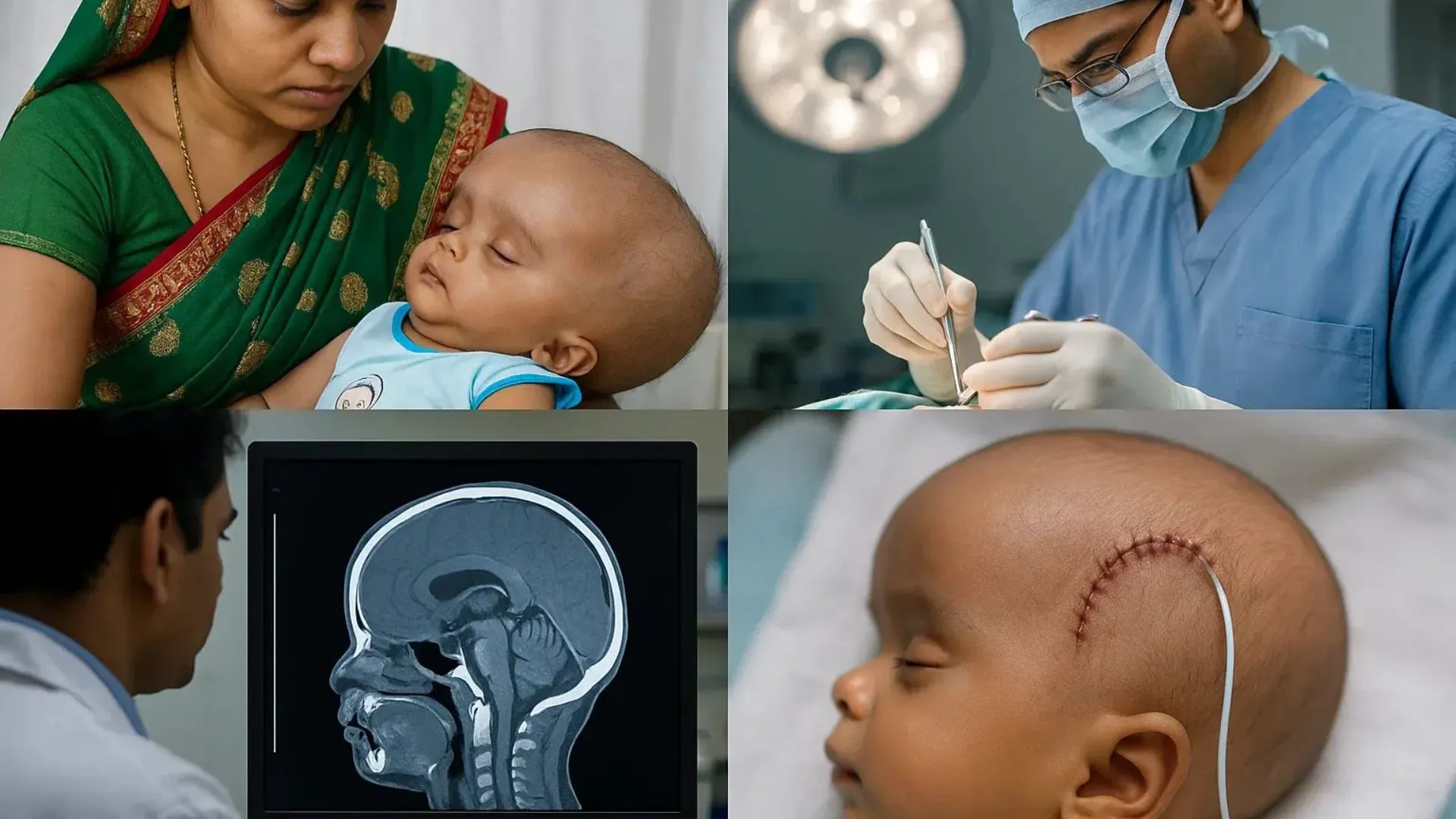
Hydrocephalus treatment in India is offered through advanced neurosurgical procedures, expert neurologists, and modern diagnostic facilities across leading hospitals. The condition, caused by excess cerebrospinal fluid in the brain, is typically managed through surgical interventions such as ventriculoperitoneal (VP) shunt placement or endoscopic third ventriculostomy (ETV).
Book Appointment
GET A FREE QUOTE
India’s hospitals provide cost-effective, reliable treatment with comprehensive care, including pre-surgical evaluation, post-operative monitoring, and rehabilitation. With infrastructure and experienced neurosurgeons, India has become a preferred destination for both domestic and international patients seeking high-quality hydrocephalus care at affordable prices.
What is Hydrocephalus?
Hydrocephalus is a medical condition where excess cerebrospinal fluid (CSF) builds up in the brain’s ventricles, causing increased pressure inside the skull. This fluid normally cushions the brain and spinal cord, but when it accumulates abnormally, it can lead to swelling, headaches, vomiting, balance issues, and cognitive decline.
Hydrocephalus can affect individuals of any age, from newborns to the elderly, and may result from birth defects, infections, brain injuries, or tumours. If left untreated, it can lead to permanent brain damage. Early diagnosis and appropriate medical or surgical intervention are essential to manage symptoms and prevent complications.
Hydrocephalus Symptoms: How We Know About Hydrocephalus?
Hydrocephalus symptoms can vary based on age, the rate of fluid buildup, and the cause of the condition. In infants, the most noticeable sign is an unusually large head or a rapid increase in head size. Older children and adults may experience headaches, vision problems, coordination issues, or memory loss.
As fluid pressure increases in the brain, it can impact cognitive and physical functioning. Early detection of hydrocephalus symptoms is vital for timely treatment, especially in cases requiring surgical intervention. In India, accurate diagnosis and prompt care significantly reduce the risk of long-term neurological damage and improve recovery outcomes.
In Infants:
- Rapid head growth or an abnormally large head
- Bulging or tense soft spot (fontanel) on the head
- Poor feeding and frequent vomiting
- Unusual sleepiness or lethargy
- Seizures or downward eye gaze (“sunsetting” eyes)
In Children:
- Headaches that worsen in the morning
- Nausea or vomiting
- Difficulty walking or maintaining balance
- Irritability or changes in personality
- Learning difficulties and cognitive delays
In Adults:
- Memory problems or confusion
- Loss of bladder control
- Gait disturbances (shuffling walk)
- Headaches and blurred vision
- Poor coordination or frequent falls
Hydrocephalus Causes: What Are the Possible Causes of Hydrocephalus?
Hydrocephalus causes are typically linked to an imbalance in the production, flow, or absorption of cerebrospinal fluid (CSF) within the brain. This disruption leads to fluid accumulation in the ventricles, raising intracranial pressure. The condition may be congenital (present at birth) or acquired later due to injury or illness.
Book Appointment
GET A FREE QUOTE
Common causes include genetic abnormalities, brain haemorrhage, infections like meningitis, tumours, or traumatic brain injuries. In older adults, normal pressure hydrocephalus (NPH) can occur without a known trigger. Identifying the underlying cause is crucial for choosing the right treatment, especially when planning hydrocephalus treatment in India.

Hydrocephalus Causes:
Congenital Cause
- Genetic disorders affecting brain development
- Spina bifida or neural tube defects
- Aqueductal stenosis (narrowing in the brain ventricles)
Acquired Cause
- Brain haemorrhage (especially in premature infants)
- Head trauma or brain injury
- Brain tumours blocking CSF flow
- Infections like meningitis or encephalitis
- Post-surgical complications or scarring in CSF pathways
In Adults
- Normal Pressure Hydrocephalus (NPH) with unknown origin
- Stroke affecting CSF absorption
- Cysts or lesions in the brain
- Age-related brain shrinkage alters fluid dynamics.
Hydrocephalus Treatment Without Surgery
While surgical intervention remains the primary approach, Hydrocephalus Treatment in India also explores non-surgical options, especially for cases with mild symptoms or in early stages. These alternatives aim to manage intracranial pressure, improve quality of life, and delay the need for surgery. Medical management, lifestyle support, and rehabilitation therapies are commonly used in selected patients, particularly when surgery isn’t immediately recommended due to age or health risks.
Book Appointment
GET A FREE QUOTE
Hydrocephalus Surgery in India: New Treatment For Hydrocephalus
Hydrocephalus Treatment in India often involves advanced surgical procedures that safely relieve pressure on the brain. The most common surgery is ventriculoperitoneal (VP) shunt placement, where excess cerebrospinal fluid (CSF) is diverted from the brain to the abdomen. Another effective technique is Endoscopic Third Ventriculostomy (ETV), which creates a new path for fluid drainage within the brain itself—no shunt required.
These procedures are performed by highly skilled neurosurgeons at India’s top hospitals, offering international standards of safety, care, and affordability. Post-surgical recovery is supported by tailored rehabilitation and follow-up programs.
New Treatment Options:
New treatment options are evolving with advances in neurosurgery and neurotechnology. In addition to traditional shunt systems and ETV, researchers are exploring biodegradable shunts, programmable valve systems, and minimally invasive endoscopic techniques to improve outcomes and reduce complications.
Book Appointment
GET A FREE QUOTE
Innovations like MRI-guided procedures and robotic-assisted neurosurgery offer more precision and faster recovery. Some centres are also investigating gene therapy and stem cell approaches for congenital cases. With access to the latest technologies, Hydrocephalus Treatment in India is now safer, smarter, and more patient-focused than ever, delivering world-class care at an affordable cost.
Hydrocephalus Treatment Cost in India
Hydrocephalus treatment in India is significantly more affordable compared to many Western countries, without compromising on quality. The total cost depends on the type of surgery (VP shunt or ETV), hospital, surgeon's expertise, and the patient’s condition. While basic cases may only require imaging and medication, surgical intervention adds to the expenses.
Many hospitals offer complete packages that include diagnostics, surgery, hospital stay, and follow-up care. India’s cost-effective medical infrastructure makes it a preferred destination for international patients seeking expert hydrocephalus care with modern facilities and compassionate support.
|
Treatment Type |
Estimated Cost (INR) |
Estimated Cost (USD) |
|
Initial Consultation & Diagnosis |
₹2,000 – ₹5,000 |
$24 – $60 |
|
MRI/CT Scans |
₹5,000 – ₹10,000 |
$60 – $120 |
|
VP Shunt Surgery |
₹1,50,000 – ₹2,50,000 |
$1,800 – $3,000 |
|
Endoscopic Third Ventriculostomy (ETV) |
₹2,00,000 – ₹3,00,000 |
$2,400 – $3,600 |
|
Hospital Stay (3–5 days) |
₹30,000 – ₹70,000 |
$360 – $840 |
|
Post-op Medications & Rehab (per month) |
₹5,000 – ₹10,000 |
$60 – $120 |
Hospital For Hydrocephalus Treatment in India
Hydrocephalus treatment in India is provided by some of the most advanced neurosurgery hospitals, offering world-class care at affordable prices. These hospitals feature experienced neurosurgeons, cutting-edge imaging technology, and modern operating theatres for procedures like VP shunt and ETV.
Many also have integrated neuro-rehabilitation units to support full recovery. From government research centres to private super-speciality hospitals, India ensures compassionate, safe, and result-oriented care for both children and adults. Below is a list of 15 leading hospitals known for excellent outcomes in hydrocephalus diagnosis and treatment.
|
Hospital Name |
Location |
|
AIIMS (All India Institute of Medical Sciences) |
New Delhi |
|
NIMHANS |
Bangalore |
|
Apollo Hospitals |
Chennai |
|
Fortis Memorial Research Institute |
Gurugram |
|
Medanta – The Medicity |
Gurugram |
|
PGIMER |
Chandigarh |
|
Kokilaben Dhirubhai Ambani Hospital |
Mumbai |
|
Max Super Speciality Hospital |
Delhi |
|
Manipal Hospitals |
Bangalore |
|
Global Hospitals |
Hyderabad |
|
Artemis Hospital |
Gurugram |
|
Sir Ganga Ram Hospital |
New Delhi |
|
Narayana Health |
Bangalore |
|
Care Hospitals |
Hyderabad |
|
BLK-Max Super Speciality Hospital |
New Delhi |
Hydrocephalus- Diagnosis & Treatment
Hydrocephalus diagnosis and treatment rely on accurate imaging and timely medical or surgical intervention. Diagnosis involves identifying abnormal cerebrospinal fluid (CSF) buildup in the brain using advanced scans.
Once confirmed, treatment may include medications or surgeries like a VP shunt or ETV to drain excess fluid and relieve pressure. In India, expert neurologists and neurosurgeons offer world-class care supported by modern facilities, neuro-rehab, and long-term monitoring. Early detection through proper diagnosis ensures better outcomes and improved quality of life.
- MRI (Magnetic Resonance Imaging)
- CT (Computed Tomography) Scan
- Ultrasound (for infants through the fontanel)
- Intracranial pressure monitoring
- Neuropsychological tests (for cognitive symptoms)
We Care Health Services For Hydrocephalus Treatment
We Care Health Services is a trusted facilitator for Hydrocephalus Treatment in India, connecting patients to top neurosurgeons and accredited hospitals across the country. They offer personalised care coordination, cost transparency, and full logistical support for both domestic and international patients.
Book Appointment
GET A FREE QUOTE
From diagnosis and surgical planning to rehabilitation, every step is professionally managed. Their strong hospital network, dedicated medical counsellors, and affordable treatment packages make them a preferred choice. Compassionate assistance, 24/7 communication, and patient-centred care define the We Care experience.
- Access to India’s leading neurosurgery hospitals equipped with modern technology for procedures like VP shunt and ETV.
- End-to-end care coordination including doctor appointments, diagnostics, surgery scheduling, and post-treatment follow-up.
- Dedicated medical advisors who help understand your condition, compare treatment plans, and guide you in choosing the best hospital and surgeon.
- Transparent cost estimation and affordable packages, with no hidden charges, allowing patients to make financially informed decisions.
- Support for international patients, including visa assistance, airport transfers, and accommodation during the treatment period.
- Ongoing medical guidance and emotional support, ensuring patients and their families are never alone during their healing journey.