
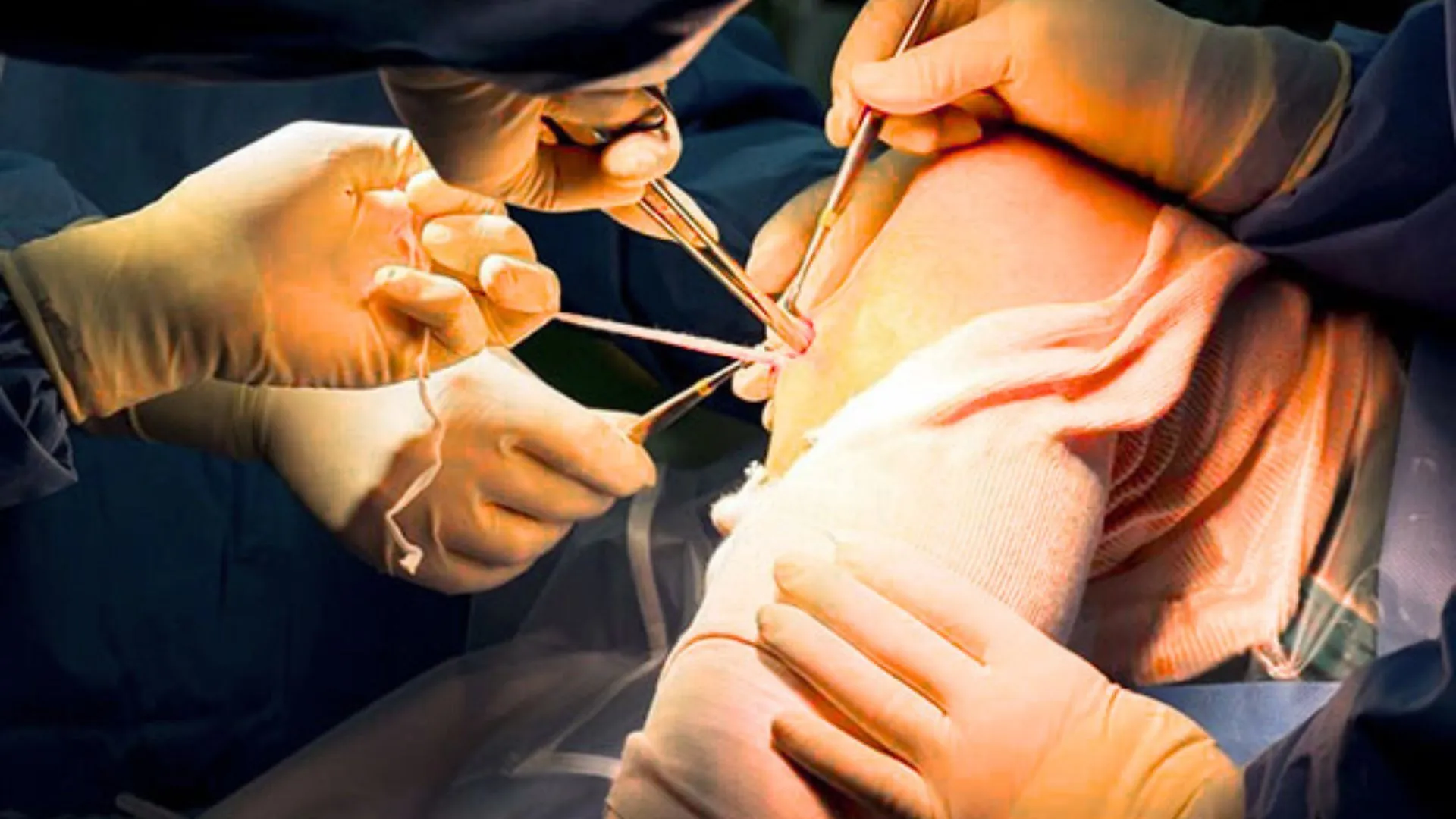
Arthroscopy surgery in India has been credited with medical tourism. This minimally invasive procedure can be performed on any kind of joint. Many advanced versions of arthroscopy help with quick recovery. They are the best part of diagnosis and quick treatment methods.
Arthroscopy is a minimally invasive surgical procedure used to diagnose and treat joint-related problems using an arthroscopic scope, a small, fiber-optic instrument inserted through tiny incisions. It is most commonly performed on shoulder, knee, elbow, wrist, ankle, and hip joints. In India, arthroscopy has become a popular orthopedic solution due to the availability of advanced technology, skilled surgeons, and cost-effective treatment options.
What is Arthroscopy Surgery?
Arthroscopy is a minimally invasive surgical procedure used to diagnose and treat joint problems. The term “arthroscopy” comes from the Greek words “arthro” (joint) and “skopein” (to look), meaning “to look within the joint.” The procedure involves inserting a narrow tube attached to a fiber-optic video camera (called an arthroscope) through a small incision.
For Free Online Consultation
GET A FREE QUOTE
Arthroscopy surgery in India is commonly used on major joints like the shoulder, knee, hip, elbow, wrist, and ankle. It is often recommended when physical examinations and imaging tests (like X-rays or MRIs) do not provide a conclusive diagnosis. Conditions treated with arthroscopy include torn ligaments or cartilage, joint inflammation, loose bone fragments, and other structural issues within the joint.
Types of Arthroscopy Surgery
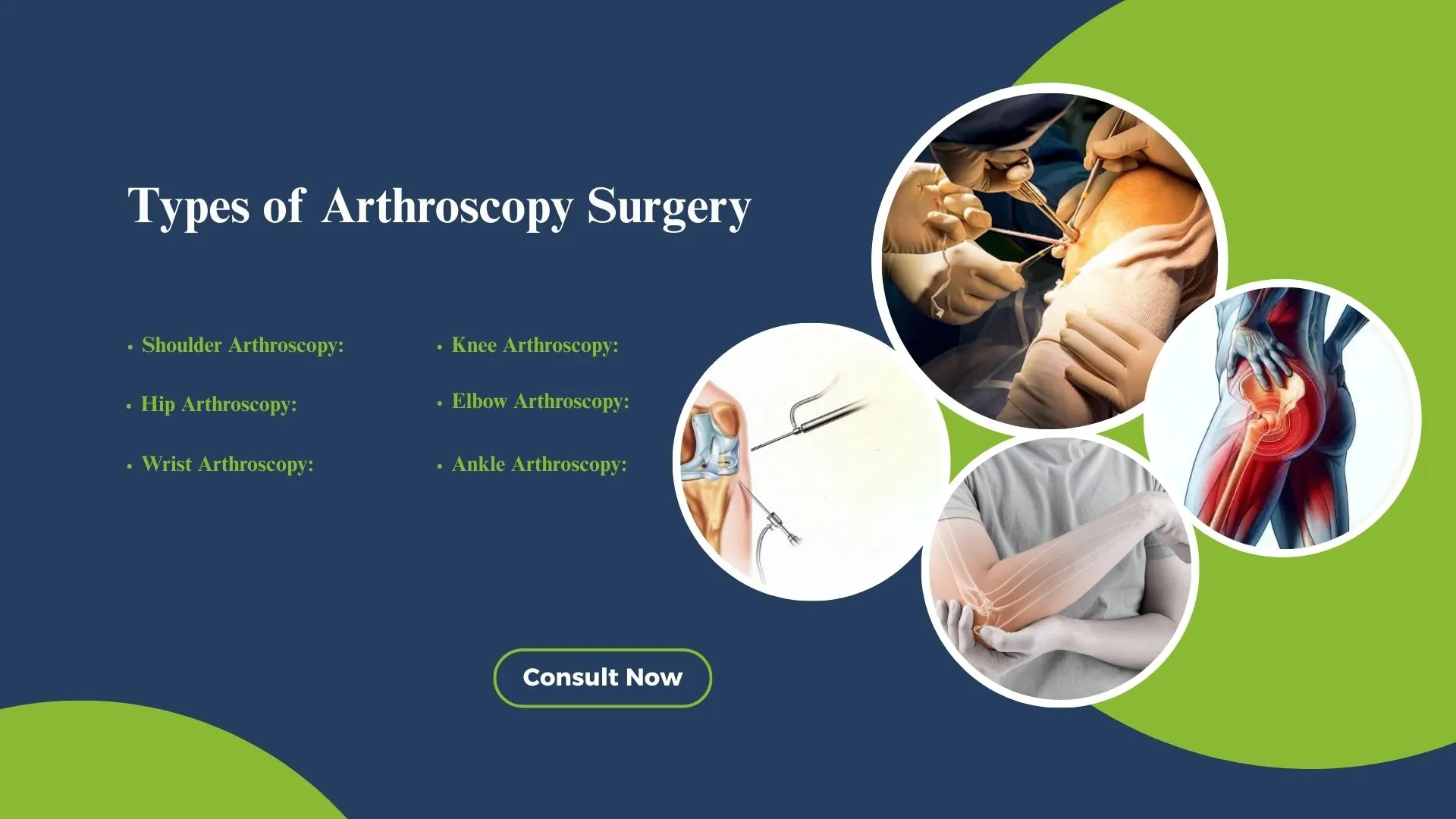
There are different benefits of arthroscopy surgery. It is defined according to the location of injury or diseases. Arthroscopy surgery in India has seen remarkable advancements in recent years, offering patients a minimally invasive alternative to traditional open surgery. Various types of arthroscopy are performed across leading hospitals in India using state-of-the-art technology and expert orthopedic surgeons. Each type is designed to diagnose and treat different joint problems effectively, with faster recovery and reduced postoperative complications.
Types of Arthroscopy Surgery
- This is among the most common types of arthroscopy surgery in India, used to treat conditions such as rotator cuff tears, frozen shoulder, labral tears, and shoulder instability. It enables precise repair with minimal disruption to surrounding tissues.
Shoulder Arthroscopy:
- One of the earliest and most frequently performed arthroscopic procedures, knee arthroscopy is used to address meniscus tears, ligament reconstructions (like ACL), patellar tracking issues, and cartilage damage. Indian surgeons excel at these procedures with high success rates.
Knee Arthroscopy:
- Gaining popularity in India, hip arthroscopy is primarily used for femoroacetabular impingement (FAI), labral tears, and loose bodies in the hip joint. It helps patients avoid full hip replacement and is preferred by younger, active individuals.
Hip Arthroscopy:
- Ideal for removing loose bone fragments, treating tennis elbow, and alleviating stiffness or arthritis symptoms. Indian orthopedic centers offer affordable and precise elbow arthroscopy with high patient satisfaction.
Elbow Arthroscopy:
- This procedure allows for the diagnosis and treatment of ligament injuries, carpal tunnel syndrome, and fractures within the wrist. It is less commonly performed but is gaining traction due to advancements in micro-instruments.
Wrist Arthroscopy:
- Used to treat conditions such as anterior impingement, loose cartilage, and instability, ankle arthroscopy is a fast-growing specialty. Indian orthopedic specialists provide cost-effective treatment with minimal downtime.
Ankle Arthroscopy:
Arthroscopy surgery in India is not only cost-effective but also globally competitive in terms of technology and patient outcomes. Indian hospitals are equipped with advanced arthroscopic tools, and surgeons follow international protocols to ensure high standards of care. These procedures are usually performed as outpatient or day-care surgeries, reducing hospital stay and promoting early rehabilitation.
What is the procedure of arthroscopy?- Arthroscopy Surgery Procedure
The procedure of arthroscopy surgery in India is designed to be minimally invasive and efficient, ensuring faster recovery and minimal complications. It begins with a detailed consultation and diagnostic imaging, such as X-rays or MRI scans, to determine the exact nature of the joint problem.
Arthroscopy Advantages and Disadvantages- What You Can Expect After Arthroscopy Procedure
Arthroscopy surgery in India has become one of the most commonly performed orthopedic procedures worldwide, especially in India, due to its minimally invasive nature and quick recovery benefits. However, like any surgical technique, it comes with both strengths and limitations. Understanding these can help patients make informed decisions about their treatment.
Advantages of Arthroscopy
- Arthroscopy requires only small incisions, resulting in less trauma to the surrounding tissues, muscles, and ligaments compared to open surgery.
- Most patients can return to daily activities sooner than with traditional surgery. This is particularly important for athletes and working professionals who need to resume their routines quickly.
- Since there is less tissue damage, patients usually experience significantly less pain and inflammation after surgery.
- Cosmetic outcomes are far better, with only tiny scars that often fade over time and become barely noticeable.
- Arthroscopic surgery in India is often performed as day-care procedures, meaning patients can go home the same day or after a single night of observation.
- Smaller incisions reduce the risk of postoperative infections and wound complications.
- The arthroscope provides a clear, magnified view of the inside of the joint, helping surgeons make precise diagnoses and perform targeted treatments.
- Arthroscopy can be used for a variety of joints, including the knee, shoulder, wrist, ankle, elbow, and hip, treating conditions ranging from ligament tears to joint stiffness.
Disadvantages of Arthroscopy
- In some cases, if the damage is more extensive than expected, the surgeon may need to convert the arthroscopic procedure into a traditional open surgery during the operation.
- Though rare, complications such as bleeding, infection, nerve damage, or blood clots can still occur—just like in any surgical problem.
- The success of arthroscopy greatly depends on the experience and skill of the surgeon. Inadequate technique may lead to incomplete repairs or the need for revision surgery.
- While arthroscopy can provide pain relief and improve function, it may not eliminate symptoms, especially in cases with chronic joint degeneration.
- Proper rehabilitation and physiotherapy are essential for full recovery. Skipping or delaying post-op exercises can affect the results of the surgery.
Arthroscopy Vs. Traditional Surgery- A Comparison Between Two
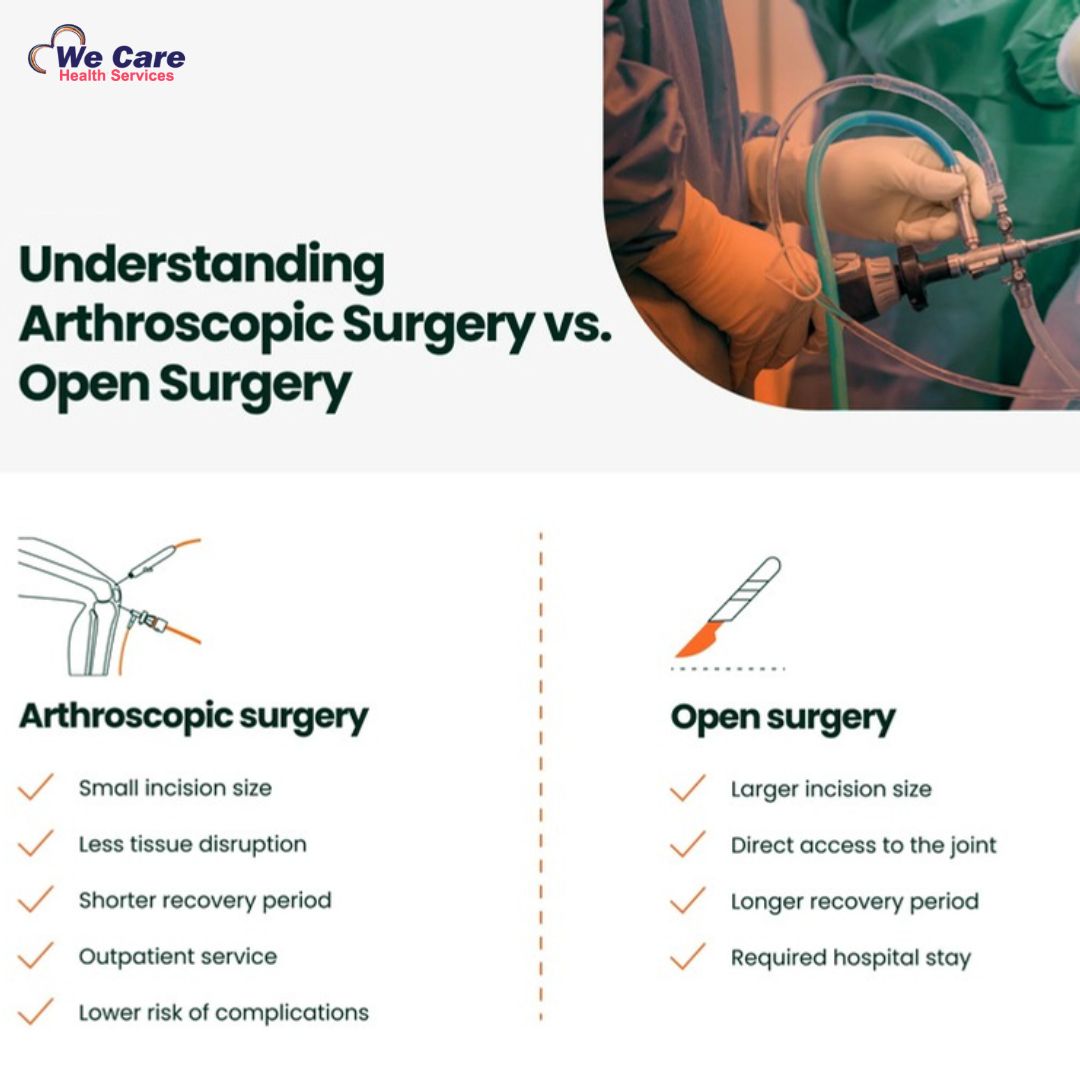
When it comes to diagnosing and treating joint problems, both arthroscopy and traditional (open) surgery have their roles. However, arthroscopy surgery in India has significantly transformed orthopedic care by offering a minimally invasive alternative to conventional surgical techniques. Below is a comprehensive comparison to help patients understand the key differences between the two approaches.
Arthroscopy Vs. Traditional Surgery
Surgical Technique
- In arthroscopy, the surgeon makes small incisions (usually 0.5 to 1 cm) and inserts a pencil-sized instrument called an arthroscope. This device contains a camera and a light source, allowing the surgeon to view the joint on a monitor in real time.
- Surgical tools are inserted through separate tiny incisions to perform the necessary procedure.
- Traditional or open surgery involves a larger incision to directly access the joint. The surgeon opens up the area to repair or reconstruct the damaged structures.
Invasiveness
- This is a minimally invasive technique, meaning less trauma to surrounding tissues, muscles, and ligaments. The joint capsule remains largely undisturbed.
- It is more invasive and often requires cutting through muscles and tendons to reach the joint. This can result in more pain and a longer healing period.
Recovery Time
- Due to smaller incisions, arthroscopy side effects and tissue damage are less, recovery is faster. Patients often return to normal activities, including work and light exercise, within a few weeks. Full recovery depends on the complexity of the condition, but it is generally shorter than open surgery.
- Recovery can take several months, especially for complex joint issues. The healing process is more intensive due to the larger wound and internal repair.
Scarring and Cosmetic Outcome
- Leaves minimal scarring—often just small dots on the skin. This is especially appreciated by younger patients and athletes concerned about appearance.
- Leaves a longer, more visible scar due to the larger incision, which may fade over time but rarely disappears entirely.
Pain and Post-operative Discomfort
- Patients typically report less pain and swelling post-surgery. Pain management is simpler, often requiring only mild analgesics.
- It may involve greater post-operative pain, swelling, and stiffness due to the extensive nature of the procedure.
Risk of Complications
- Although no surgery is entirely without risk, the chances of infection, bleeding, and complications are significantly lower in arthroscopic procedures.
- Higher risk of complications such as deep infections, joint stiffness, and longer hospital stays.
Hospital Stay
- Most procedures are performed on a day-care basis or require just 1 night of hospitalization.
- Typically requires 2–5 days of hospitalization, depending on the complexity of the surgery.
Cost Comparison
- The cost may initially seem higher due to the use of specialized equipment, but the reduced hospital stay and faster recovery often make it more cost-effective in the long run.
- While the base procedure may cost less, longer hospital stays, increased pain management, and extended physiotherapy can increase the total expense.
For Free Online Consultation
GET A FREE QUOTE
Arthroscopic Surgery Cost in India: Low-Cost Packages For Arthroscopy Surgery
India has emerged as a leading destination for arthroscopy surgery, offering world-class medical expertise, cutting-edge technology, and affordable healthcare. Whether for sports injuries, degenerative joint conditions, or chronic pain, arthroscopy in India provides effective solutions to patients both locally and globally.
|
Type of Arthroscopy |
Estimated Cost (INR) |
Estimated Cost (USD) |
|
Knee Arthroscopy |
₹70,000 – ₹1,80,000 |
$850 – $2,200 |
|
Shoulder Arthroscopy |
₹80,000 – ₹2,00,000 |
$970 – $2,420 |
|
Hip Arthroscopy |
₹1,50,000 – ₹2,50,000 |
$1,800 – $3,000 |
|
Ankle Arthroscopy |
₹60,000 – ₹1,20,000 |
$725 – $1,450 |
|
Wrist Arthroscopy |
₹55,000 – ₹1,10,000 |
$660 – $1,330 |
|
Elbow Arthroscopy |
₹70,000 – ₹1,40,000 |
$850 – $1,700 |
Factors Affecting The Cost of Arthroscopy Surgery in India
The cost of arthroscopy surgery in India varies based on several critical factors. Understanding these helps patients make informed decisions and budget effectively. Whether one is seeking treatment locally or traveling from abroad, these elements can significantly influence the final bill.
Best Arthroscopy Hospitals in India: Top Hospitals and Their Speciality
India is home to several premier hospitals offering advanced care in arthroscopy, with each center known for excellence in joint preservation, minimally invasive procedures, and post-surgical rehabilitation. The following institutions are trusted leaders in arthroscopy surgery in India, serving both local and international patients with unmatched clinical precision and personalized care.
Cities |
Hospital Name |
|
Bangalore |
Columbia Asia Hospital |
|
Delhi |
Fortis Escorts Heart Institute |
|
Delhi |
Max Hospital |
|
Mumbai |
Kokilaben Dhirubhai Ambani Hospital |
|
Gurgaon |
Medanta Hospital |
|
Mumbai |
Apollo Hospital |
|
Delhi |
Medanta Medicity |
|
Delhi |
Apollo Hospital |
|
Delhi |
Jaslok Hospital |
|
Bangalore |
Narayana Health |
|
Bangalore |
Wockhardt Hospital |
|
Delhi |
Blk Super Speciality Hospital |
|
Mumbai |
Lilavati Hospital |
|
New Delhi |
Venkateshwar Hospital |
|
Bangalore |
Manipal Hospital |
|
Delhi |
CK Birla Hospital |
|
Chennai |
Global Hospital |
|
Delhi |
Indraprastha Apollo Hospital |
|
Gurgaon |
Paras Hospital |
|
Chennai |
Frontier Lifeline Hospital |
|
Delhi |
Metro Hospital |
|
Delhi |
PSRI Hospital |
Best Arthroscopic Surgeon: Best Knee Arthroscopy Surgeon in India
Arthroscopy is a minimally invasive surgery, and it gives an easy transformation to the patients. Most of the Indian surgeons are in the field after experiencing in the combined international training centres. They diagnose any patient and also give their opinions about the treatment. Also, it is not necessary that you can take treatment according to your quick needs. Replacement and arthroscopy are planned treatments; once they are performed and the patient has a genetic disease may lead to change. It can turn into complexity.
|
Surgeon Name |
Hospital Affiliation |
Location |
|
Dr. Ashok Rajgopal |
Medanta – The Medicity |
Gurugram |
|
Dr. Prakash M. Doshi |
Dr. Balabhai Nanavati Hospital |
Mumbai |
|
Dr. Subhash Jangid |
Fortis Memorial Research Institute |
Gurugram |
|
Dr. Deepak Goyal |
Saumya Arthroscopy & Sports Knee Clinic |
Ahmedabad |
|
Dr. IPS Oberoi |
Artemis Hospital |
Gurugram |
|
Dr. Mandeep Dhillon |
PGIMER, Chandigarh |
Chandigarh |
|
Dr. Vikas Gupta |
Apollo Hospitals |
New Delhi |
|
Dr. Narayan Hulse |
Fortis Hospital |
Bangalore |
|
Dr. Ajay Gupta |
Sancheti Hospital |
Pune |
We Care Health Services- Best Facilities Provided by the Clinics
We Care Health Services is a coordinated program for different surgeries like open heart surgery and hip replacement surgery. They give treatment for various diseases, including fertility care. The clinic has a personalized approach for patients. Access to cardiologists, anesthesiologists, physiotherapists, and pain management specialists ensures comprehensive care before, during, and after surgery. You will find reasonable prices with affordable packages. The unique approaches are:
For Free Online Consultation
GET A FREE QUOTE
- They are the best service provider and use a personalized approach to treating patients.
- Hygiene, care and management are basic qualities of the clinic.
- Here, you can expect the best technical types of equipment for advanced procedures such as laparoscopy and other diagnostic methods such as ECG, MRI and CT scan.
- Cryopreservation and vitalization are processed at a lower temperature. Advanced techniques such as robotic-assisted techniques are used in surgeries.
- Arthroscopy Surgery in India and knee replacement surgery cost in India is a reasonable option which is provided with a separate listing.
- India is a house of many experienced surgeons and experienced doctors who will help you through We Care Health Services.
- Ethical practices of the various surgical treatments are provided by the clinic with the coordination of law and order.
- The clinic continuously maintains a high success rate for various surgeries and the best rating on Google, which means it has a good reputation.