
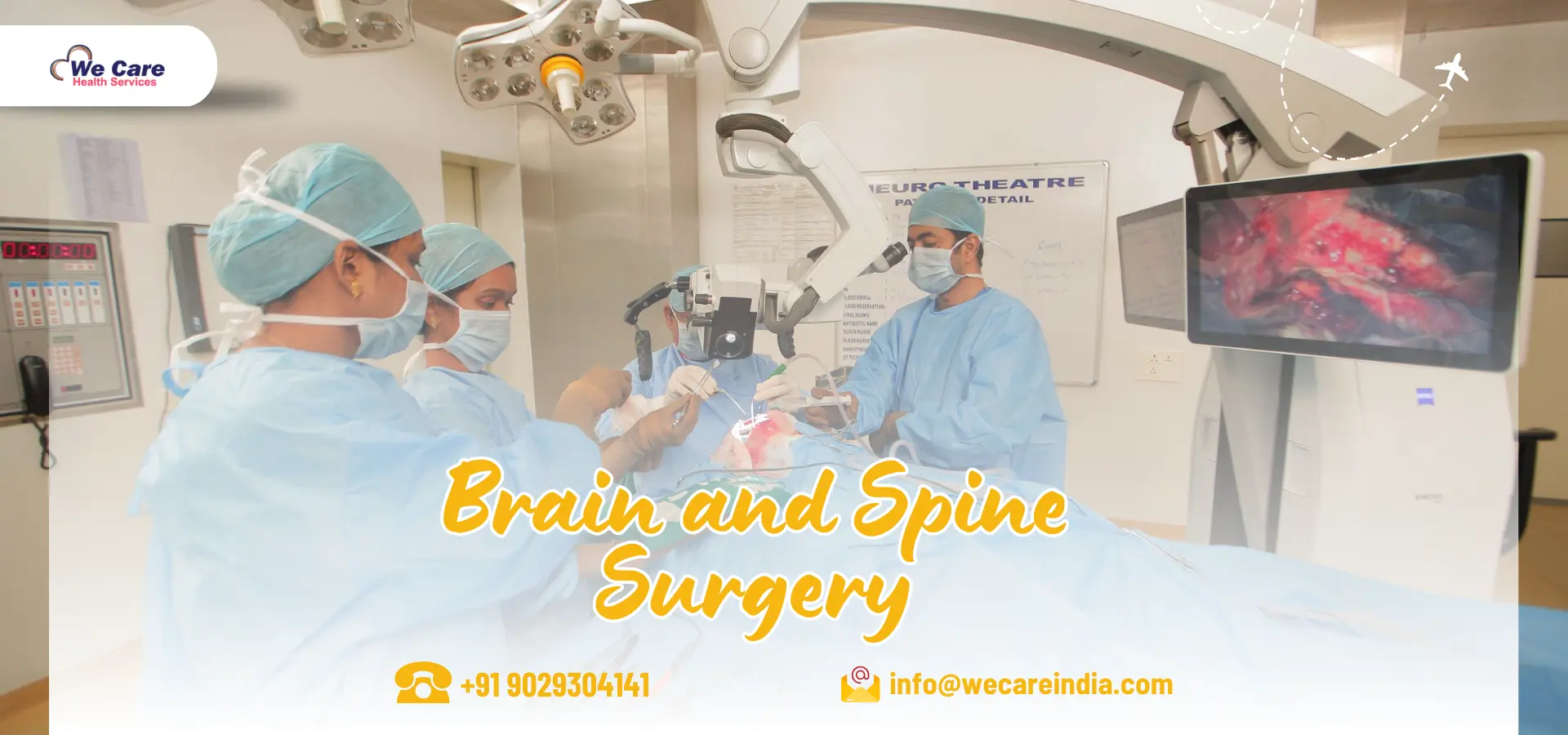
A brain and spine surgery overview of India is given with the help of the success rate and facts in the same field. With the continuous effort of the hospital and doctors, India now has the best facilities. There are different types of surgery performed, and most of the tragic conditions of the human brain can now be treated
Book Appointment
GET A FREE QUOTE
The diagnosis of a person with early symptoms is necessary because it is easy to treat a person in this stage. The initial symptoms of the brain and spinal problem arise with the balancing issues, which are common in neurodegeneration. Tumour and nerve compression are common in cases of brain and spine surgery.
What is Spine Surgery?
Spine surgery is a medical procedure performed to correct problems related to the spinal column, spinal cord, or nerves. It’s usually considered when non-surgical treatments like medication, physical therapy, or injections don’t relieve pain or restore function.
The main goal of spine surgery is to reduce pain, improve stability, and restore mobility. Depending on the condition, surgery might involve removing damaged discs (discectomy), fusing vertebrae (spinal fusion), or decompressing nerves (laminectomy).
Doctors recommend spine surgery for issues such as herniated discs, spinal stenosis, scoliosis, fractures, infections, or tumors. The procedure can be done using traditional open surgery or minimally invasive techniques, which use smaller incisions and often lead to faster recovery.
What is Brain Surgery?
Brain surgery, also called neurosurgery, is a medical procedure performed to treat problems within the brain, skull, or nearby structures. It involves repairing, removing, or altering parts of the brain to treat conditions such as tumors, aneurysms, blood clots, epilepsy, infections, or traumatic injuries.
The purpose of brain surgery is to relieve pressure, remove abnormal growths, stop bleeding, or repair damaged tissues to restore normal brain function. Depending on the condition, surgeons may perform open surgery (craniotomy) or minimally invasive procedures using advanced imaging and tiny instruments.
Modern brain surgeries are highly precise, often guided by computer navigation, MRI, or robotic systems to minimize risk and improve recovery.
Symptoms of the Brain and Spine Problem
For a brain and spine surgery overview in India, we must know the success rate, cost, and facts or figures. In the same series, when you need surgery, it is better to have an idea. The common symptoms of brain and spine surgery are written in the paragraph below.
Brain and spine problems can affect how a person thinks, moves, and feels. These issues often develop gradually but can sometimes appear suddenly due to injury, infection, or neurological disease. Recognizing early symptoms is important for timely diagnosis and treatment.
Common symptoms of brain problems include:
Book Appointment
GET A FREE QUOTE
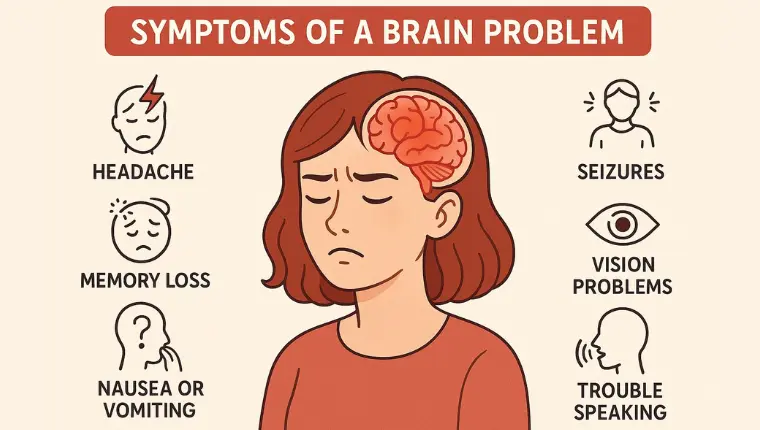
Symptoms of the Brain Problem
- Persistent or severe headaches that worsen over time
- Sudden dizziness, loss of balance, or difficulty walking
- Blurred or double vision
- Seizures or unexplained fainting spells
- Memory loss, confusion, or difficulty concentrating
Weakness or numbness in one side of the body - Changes in speech, personality, or behavior
- Nausea or vomiting without an obvious cause
Common symptoms of spine problems include:
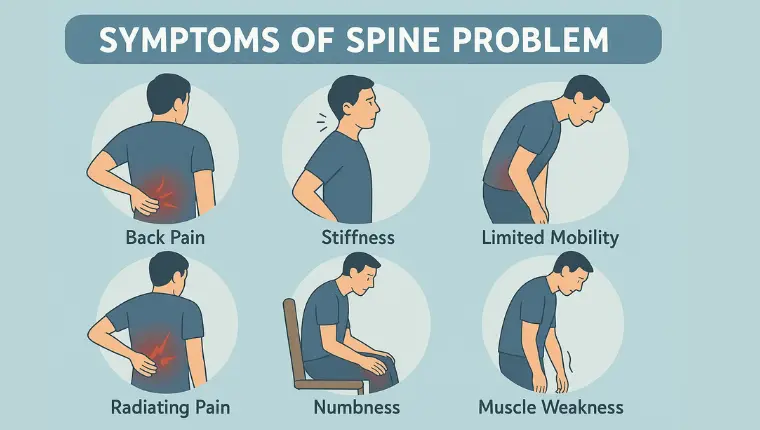
Symptoms of the Spine Problem
- Back or neck pain that radiates to the arms or legs
- Tingling, numbness, or weakness in the limbs
- Difficulty standing, walking, or maintaining posture
- Loss of bladder or bowel control in severe cases
- Muscle stiffness, spasms, or decreased flexibility
If these symptoms persist or worsen, it’s essential to consult a neurologist or spine specialist. Early medical evaluation helps identify the root cause—whether it’s a nerve compression, injury, or neurological disorder—and allows for effective treatment to prevent long-term complications.
Book Appointment
GET A FREE QUOTE
In Which Condition is Surgery Needed?
Surgery is usually the last option when medication, physiotherapy, or other non-surgical treatments fail to provide relief. The decision depends on the severity of the condition, the level of nerve compression, and how much it affects daily life. Here are the major conditions where surgery becomes necessary:
Brain Conditions Requiring Surgery
- Brain Tumors: Surgery is often needed to remove cancerous or benign tumors that put pressure on brain tissues, cause headaches, vision issues, or seizures.
- Aneurysms and Blood Clots: When blood vessels in the brain are damaged or leaking, surgery helps repair them and prevent stroke or brain bleeding.
- Epilepsy or Seizure Disorders: If medications fail to control frequent seizures, surgery may be done to remove or alter the brain area triggering them.
- Traumatic Brain Injury: Severe head injuries that cause bleeding, swelling, or skull fractures may need urgent surgical intervention to relieve pressure.
Spine Conditions Requiring Surgery
- Herniated or Slipped Disc: When the disc compresses nerves and causes severe pain, numbness, or weakness that doesn’t improve with rest or therapy.
- Spinal Stenosis: Narrowing of the spinal canal that causes nerve compression and difficulty in walking may require decompression surgery.
- Spinal Fractures or Instability: Injuries from accidents or osteoporosis can make the spine unstable, requiring surgical fixation or fusion.
- Scoliosis or Spinal Deformities: Severe curvature of the spine that affects posture, breathing, or movement might need corrective surgery.
Surgery for brain and spine issues aims to relieve pain, remove pressure on nerves, and restore normal body function. The exact treatment plan depends on individual health conditions, imaging results, and overall medical fitness. Early consultation with a neurosurgeon ensures better outcomes and faster recovery.
Top 10 Neurosurgeons in India
Indian Doctors are the pride of the nation. Many corporate sector hospitals, which are renowned for the doctors helping many people and increasing technology in the country. Neurosurgeons in the same field help in diagnosing the cause of diseases and treating those problems at the same time.
The best part about the doctors and their work is testimonials by the patients, who have experienced the phase and their care during that period. We are giving some names of doctor who are playing best in their field.
- Dr. Basant Kumar Misra (Mumbai)
A leading neurosurgeon known for performing complex brain and spine surgeries. He specializes in vascular neurosurgery, aneurysm repair, and image-guided microsurgery. - Dr. N. K. Venkataramana (Bangalore)
Expert in microsurgery, deep brain stimulation, and neuro-endoscopic surgery. He is also known for his pioneering work in regenerative neuroscience. - Dr. Sandeep Vaishya (Gurgaon)
Renowned for brain and spine surgeries, including minimally invasive techniques and gamma knife procedures. He is known for his precision and compassionate care. - Dr. Rana Patir (Gurgaon)
One of the most respected neurosurgeons, specializing in brain tumors, skull-base, and pediatric neurosurgery. He has decades of experience in neurovascular surgeries. - Dr. V. P. Singh (New Delhi)
A veteran neurosurgeon with expertise in epilepsy, aneurysms, and functional neurosurgery. He is known for handling high-risk brain surgeries with excellent outcomes. - Dr. Arun Saroha (Delhi NCR)
Specializes in complex brain and spine procedures, including deep brain stimulation and tumor surgeries. He focuses on patient recovery and rehabilitation. - Dr. Deepu Banerji (Mumbai)
Has vast experience in treating spinal cord injuries, brain tumors, and neurotrauma cases. His approach is modern and patient-focused. - Dr. H. V. Madhusudan (Bangalore)
Known for advanced spine and neuro surgeries, particularly complex cervical and lumbar spine conditions. - Dr. Siddhartha Ghosh (Chennai)
A reputed neurosurgeon who has successfully performed numerous brain and spine surgeries with high precision and safety. - Dr. Bipin Walia (New Delhi)
Highly experienced in minimally invasive spine surgeries and complex brain operations. He is known for his calm approach and surgical excellence.
Book Appointment
GET A FREE QUOTE
How much does brain surgery cost?
The cost of brain surgery depends on the type of surgery performed and the equipment used. Generally, minimally invasive methods have a higher cost in comparison to the others. The cost of brain surgery in India varies based on the type of procedure, hospital, and patient condition. On average, brain surgery costs range from ₹2,00,000 to ₹10,00,000, which is much lower than in Western countries.
|
Type of Brain Surgery |
Approximate Cost (INR) |
|
Brain Tumor Surgery |
₹2,50,000 – ₹7,00,000 |
|
Aneurysm Surgery |
₹3,00,000 – ₹8,00,000 |
|
Epilepsy Surgery |
₹2,00,000 – ₹6,00,000 |
|
Craniotomy |
₹2,50,000 – ₹5,50,000 |
|
Deep Brain Stimulation |
₹5,00,000 – ₹10,00,000 |
|
Minimally Invasive Brain Surgery |
₹3,00,000 – ₹7,00,000 |
Factors like hospital reputation, surgeon’s expertise, use of advanced technology, and post-surgery care can influence the final cost. Government hospitals charge less, while private and multi-specialty hospitals may have higher fees. Patients often choose India for its affordable yet high-quality neurosurgical care. Below is an approximate cost table for different types of brain surgeries in India.
How Much Does Spine Surgery Cost?
Spine surgery costs vary a lot depending on the procedure type, hospital (private vs government), city, surgeon experience, technology used (implants, navigation, minimally invasive tools), and how complex the case is. Basic surgeries like discectomy or laminectomy often cost less, while fusion, scoliosis correction, or tumor removal cost more. On average, for many centers, spine surgery ranges from about ₹1,50,000 to ₹7,00,000+, depending on severity and hospital rating. Recovery, implants, hospital stay, and post-operative care also add to the total cost.
|
Spine Surgery Type |
Approximate Cost (INR) |
|
Discectomy / Prolapsed Disc |
₹1,30,000 – ₹2,50,000 |
|
Laminectomy / Spine Decompression |
₹1,50,000 – ₹3,00,000 |
|
Spinal Fusion (single level) |
₹3,00,000 – ₹5,50,000 |
|
Minimally Invasive Spine Surgery |
|
|
Scoliosis / Deformity Correction |
₹4,50,000 – ₹7,00,000+ |
We Care Health Services for Brain and Spine Surgery
We Care Health Services is a trusted name in India for facilitating advanced brain and spine surgeries with expert care, affordable costs, and world-class medical facilities. The service focuses on connecting patients with top hospitals and experienced neurosurgeons, ensuring smooth treatment planning and high-quality care throughout the surgical process. Their approach combines modern medical techniques with personalized guidance, making complex procedures like brain tumor removal, spine fusion, or minimally invasive surgeries accessible and safe.
- Expert Hospital Network: Collaborates with India’s leading hospitals for neurosurgery, including AIIMS, Medanta, Apollo, and Fortis.
- Experienced Neurosurgeons: Access to top brain and spine specialists with decades of surgical experience.
- Personalized Treatment Plans: Tailored surgery and rehabilitation programs based on patient condition and needs.
- Cost Transparency: Provides clear estimates and helps patients plan finances for treatment and post-operative care.
- End-to-End Assistance: From hospital admission to post-surgery recovery, We Care manages every step efficiently.
- Minimally Invasive Options: Facilitates advanced procedures like endoscopic spine surgery and image-guided brain surgery.
- Post-Surgery Rehabilitation: Offers physiotherapy and rehabilitation services to ensure complete recovery and improved mobility.
- Patient Support: 24/7 assistance, language support, and coordination for domestic and international patients.
Book Appointment
GET A FREE QUOTE
By leveraging We Care Health Services, patients can undergo complex brain and spine surgeries with confidence, knowing they have access to expert guidance, advanced technology, and comprehensive care. Their mission is to make world-class neurosurgical treatment accessible, affordable, and effective for every patient, ensuring faster recovery, reduced complications, and long-term health benefits.
Frequently Asked Questions:
- Cervical Spine (Neck): Supports the head and allows neck movement.
- Thoracic Spine (Upper and Mid-Back): Anchors the ribs and provides stability.
- Lumbar Spine (Lower Back): Bears most of the body’s weight and allows flexibility.
- Sacral Spine (Pelvic Area): Fused vertebrae forming the back of the pelvis.
- Coccygeal Spine (Tailbone): Small, fused bones at the spine’s end.